The simple answer to this question, in most cases, is Yes: Belmont patients may undergo oral surgery and even get dental implants when taking blood-thinning medication such as warfarin or aspirin. Nonetheless, special precautions must be taken, and both your physician and oral surgeon must work together to devise the safest approach for you. Each case is unique, as individual dosage and medical conditions vary from patient to patient, and each must be assessed on an individual basis.
Preparing for oral surgery
Preparing for Surgery on Blood Thinners
Because medications such as warfarin or aspirin, as well as some NSAIDs affect your body’s ability to naturally form blood clots, your oral surgeon must work closely with your medical doctor to determine your level of risk and monitor your warfarin or aspirin dosage appropriately. With proper medical supervision, as well as precision and expertise on the part of the oral surgeon, Belmont patients can safely undergo oral surgery and heal properly while taking these medications. The most important factor to a successful outcome is clear communication between your medical practitioners in order to ensure your maximum safety.
Adjusting or Pausing Your Medication
In some cases, depending on the condition that you are taking the medication for, it may be safe to suspend your use of warfarin or aspirin for a day or two while preparing to undergo the procedure. In cases where it is deemed unsafe to completely stop taking the blood-thinning medication, your physician and oral surgeon may agree to use a modified lower dose of the medication.
Special precautions
Special Precautions That Control Bleeding
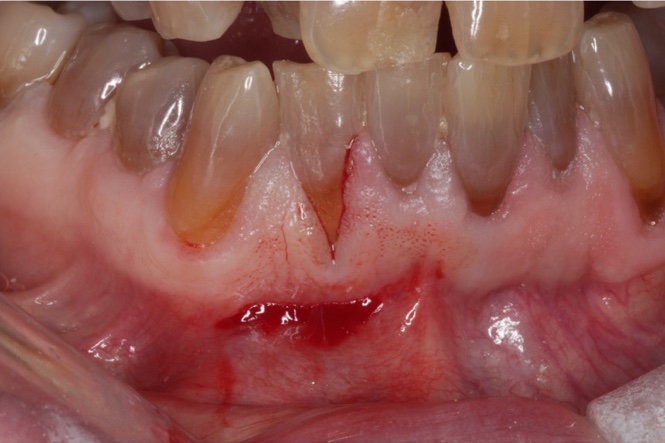
Our team of specialized dentists and oral surgeons at Dental Restorative Group in Belmont and Cambridge are highly experienced and take special precautions to help ensure proper blood clotting and a safe and comfortable recovery following your surgery. We will take special precautions, such as treating the surgical site with special hemostatic agents to stabilize the formation of blood clots, then suturing the gum tissue to reduce the surface area of the wound. This also applies tension to the edges of the wound to control bleeding in small blood vessels.
Bone Grafting to Protect the Socket
Another common practice that protects against excessive bleeding is placing a bone graft into an extraction wound. This not only reduces bleeding, but it also prevents shrinkage and recession of bone tissue, which is critical to maintaining the integrity of your dental structure and bite. This fortification of bone tissue is especially important if you are considering dental implants following your surgical procedure.
Recovery After Oral Surgery
Resting and Healing After Surgery
We recommend that you rest and avoid any strenuous physical activity for a few days after surgery. You may take oral medication to alleviate any pain, discomfort, or anxiety, as well as to help you to relax and rest. Anti-inflammatory medication may also be indicated, and you may resume your normal dosage of warfarin or aspirin almost immediately following your surgery, per your doctor’s judgment and direction.
If you are a resident of the Belmont or Cambridge area of Massachusetts and have concerns about undergoing oral surgery while taking blood-thinning medication, speak to your doctor and schedule a consultation with one of our specialized oral surgeons at Dental Restorative Group. To make an appointment, contact our Belmont office today at (617) 489-1470.
Related Reading
- 5 Safe Foods to Eat After Oral Surgery
- 6 Oral Hygiene Tips After Oral Surgery
- Should I Eat Something Before Oral Surgery?
Frequently Asked Questions
Is oral surgery safe if I take blood thinning medication?
In most cases, yes. Patients taking blood thinners such as warfarin or aspirin may undergo oral surgery and even receive dental implants, as long as special precautions are taken and your physician and oral surgeon work together on the safest approach.
Do I have to stop taking warfarin or aspirin before surgery?
Not always. Depending on the condition the medication treats, it may be safe to suspend it for a day or two before the procedure. When stopping is unsafe, your physician and oral surgeon may agree to use a modified, lower dose instead.
How is bleeding controlled during oral surgery on blood thinners?
Precautions can include treating the surgical site with hemostatic agents that stabilize blood clot formation, then suturing the gum tissue to reduce the wound surface area. Suturing also applies tension to the wound edges, which helps control bleeding in small blood vessels.
Why is a bone graft placed in an extraction site?
Placing a bone graft into an extraction wound reduces bleeding and also prevents shrinkage and recession of bone tissue. Preserving that bone is critical to maintaining your dental structure and bite, and it matters even more if you are considering dental implants.
What is recovery like after surgery while on blood thinners?
Rest and avoid strenuous physical activity for a few days. Oral medication may be taken to ease pain, discomfort, or anxiety, and anti-inflammatory medication may be indicated. Many patients resume their normal warfarin or aspirin dose soon after surgery, per their doctor’s direction.
Who decides whether surgery is safe for me?
Each case is unique because dosage and medical conditions vary from patient to patient. Your medical doctor and your oral surgeon assess your individual level of risk together, and clear communication between your practitioners is the most important factor in a safe outcome.