For a few unforgettable weeks, the world speaks one language: soccer.
Boston welcomed supporters from around the globe for seven FIFA World Cup 2026 matches, including a quarterfinal. The tournament brought together different countries, cultures, languages, playing styles, and generations of fans.
At Dental Restorative Group, that international energy feels familiar.
Our patients come from Belmont, Cambridge, Boston, throughout New England, across the United States, and from other countries. They may have very different stories, but they are often searching for the same thing: dental care that feels thoughtful, personal, and carefully planned.
Soccer and dentistry might seem like an unusual pairing. But the more you think about it, the more they have in common.
Great Results Begin Before Kickoff
The most memorable goal may happen in a few seconds, but it is rarely accidental.
It begins with preparation, awareness, timing, communication, and an understanding of the entire field.
Complex dentistry works the same way.
A crown, implant, bridge, or full-mouth reconstruction should not be viewed as an isolated object. It must fit comfortably, function with the opposing teeth, relate naturally to the face, and be maintainable over time.
Before beginning treatment, a thoughtful evaluation may consider:
- The health and prognosis of each tooth
- Existing crowns, bridges, implants, or dentures
- Gum and bone health
- The way the teeth meet
- Tooth wear, grinding, or clenching
- Facial proportions and smile characteristics
- Previous treatment experiences
- The patient’s comfort, health, and long-term priorities
In soccer, ignoring the entire field is a good way to lose possession.
In dentistry, ignoring the larger picture can lead to repeated repairs, uncomfortable results, or treatment that solves one problem while creating another.
Every Player Has a Different Role
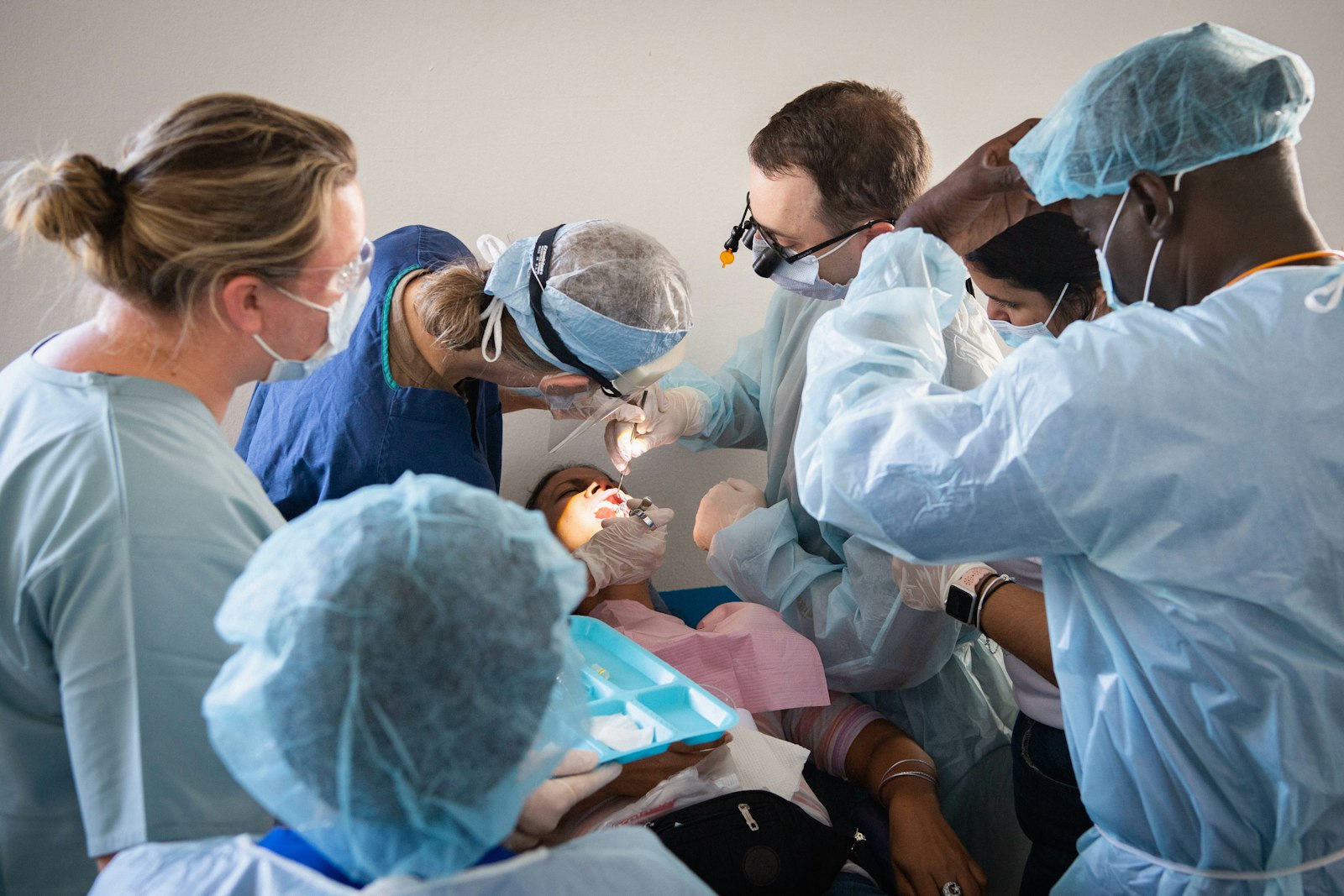
A strong team is not made up of eleven players trying to do the same job.
Each person contributes a different skill, perspective, and responsibility.
The same is true at Dental Restorative Group.
Dr. John Chang: Complex Cases and Comprehensive Reconstruction
Dr. Chang works with patients whose dental needs involve multiple concerns, such as extensive tooth damage, missing teeth, implant complications, full-mouth reconstruction, or previous treatment that has not provided the expected result.
He is a prosthodontist with advanced experience in restorative and implant-related treatment and lectures locally and internationally on advanced dental techniques.
Many patients meet Dr. Chang after being told that their case is unusually difficult. Some feel that they are reaching a last resort.
His role is to step back, examine the complete situation, and determine what may still be possible.
Dr. Min Jeong: Detailed and Personalized Restorative Care
Dr. Min focuses on comprehensive restorative dentistry for patients who need treatment such as crowns, bridges, replacement of older dental work, management of worn or damaged teeth, and rehabilitation involving several teeth.
She completed advanced prosthodontic specialty training and a Master of Medical Sciences at Harvard School of Dental Medicine. Her background includes comprehensive restorative care, digital dentistry, aesthetic treatment, and full-arch rehabilitation planning.
Dr. Min also understands that excellent dentistry is not only technical. Patients need to feel heard, respected, and comfortable enough to ask questions.
Different patients need different approaches. The goal is not to place everyone into the same treatment system. It is to connect each person with the right doctor and the right plan.
Precision Usually Beats Speed
Soccer fans love a fast counterattack, but speed without control does not win championships.
The same principle applies to dentistry.
There are times when treatment must move quickly. But extensive restorative work should not be rushed simply to complete it in the fewest possible visits.
Quality often depends on details that patients may never see:
- Careful diagnosis
- Conservative preparation when appropriate
- Precise impressions or digital scans
- Thoughtful material selection
- Communication with the dental laboratory
- Bite refinement
- Natural tooth shape and surface texture
- Careful sequencing
- Follow-up and maintenance
Good dentistry is not about making treatment unnecessarily complicated. It is about giving important decisions the attention they deserve.

Protect the Goal—and Your Teeth
Soccer is not usually considered a collision sport, but contact with another player, the ball, the ground, or a goalpost can still injure the teeth and mouth.
The American Dental Association recommends properly fitted athletic mouthguards for activities with a meaningful risk of dental or facial injury. Mouthguards can help reduce the incidence and severity of injuries involving the teeth and surrounding oral tissues.
A sports mouthguard and a nighttime grinding guard are not necessarily interchangeable. Sports guards are designed with cushioning for athletic impact, while nighttime appliances are designed for different forces and purposes.
Whether you play competitively, join a weekend league, or have a child on a soccer team, ask a dentist which type of protection is appropriate.
A mouthguard may not improve your first touch, but it may help protect your smile while you work on it.
No One Should Be Judged by the Halftime Score
Sometimes a match changes completely in the second half.
Dental health can change too.
A person may arrive at our office after years of avoiding treatment. They may feel embarrassed about broken teeth, older dental work, missing teeth, or the amount of care they believe they need.
There is no booing section here.
Dental problems can develop because of anxiety, health conditions, previous experiences, genetics, tooth grinding, medications, financial limitations, or simply not knowing where to begin.
The first appointment is not a judgment of the past. It is an opportunity to understand the present and discuss what may be possible next.
Patients are welcome to tell us what makes dental treatment difficult. Some fear discomfort. Others fear receiving bad news, losing control, or being pressured into decisions.
Trust is not created through exaggerated promises. It develops when a team listens, communicates clearly, avoids surprises, and follows through.
World-Class Care Should Never Mean One-Size-Fits-All Care
International soccer is exciting because every team brings its own personality and approach.
People deserve the same individuality in dental care.
Some patients want a subtle restoration that no one will notice. Others need to rebuild function after years of dental problems. One patient may hope to preserve selected natural teeth, while another may be considering implant-supported treatment.
A beautiful result does not need to look overly white, artificial, or identical to someone else’s smile.
It should belong to the patient.
That means considering age, facial characteristics, existing teeth, personal preferences, profession, lifestyle, health, and long-term maintenance—not simply following a standard smile template.
Welcoming Patients From Around the World
The World Cup reminds us that Boston is both a local community and an international destination.
Dental Restorative Group regularly sees patients who travel from outside Belmont, including patients from other states and countries seeking specialized restorative and implant care.
Patients traveling for dentistry should contact the office before arranging a trip. Complex treatment may require diagnostic records, multiple appointments, laboratory stages, healing periods, or follow-up care.
Our team will communicate what can reasonably be discussed before an in-person examination and help patients understand the anticipated process once a clinical plan has been established.
Different languages, backgrounds, and travel schedules may shape the conversation. The standard of care should remain the same: listen carefully, plan responsibly, and treat the person—not only the teeth.
The Final Whistle Is Not the End
Winning one match does not create a lasting team. Completing one dental procedure does not eliminate the need for future care.
Crowns, bridges, implants, and full-mouth restorations require appropriate home care and professional maintenance. Teeth and restorations are affected by plaque, bite forces, grinding, health changes, diet, and time.
Long-term success is a partnership between the patient and dental team.
The treatment may create the result, but maintenance helps protect it.
Ready to Begin Your Next Half?
You do not need to know exactly which procedure you need before contacting us.
Bring us the whole story: what you have experienced, what concerns you, and what you hope will be different.
Patients with complex implant, full-mouth, or previously unsuccessful treatment may request a consultation with Dr. John Chang.
Patients seeking careful restorative treatment, natural-looking results, or a supportive approach to dental anxiety may request an appointment with Dr. Min Jeong.
Call Dental Restorative Group at 617-489-1470 or submit a consultation request through the practice website.
Dental Restorative Group, 385 Concord Avenue, Suite 100, Belmont, MA 02478
Related Reading
- Restorative Dentistry That Feels Thoughtful, Personal, and Never Rushed
- When Your Dental Needs Are Complex, the Plan Matters as Much as the Treatment
- Reasons for Tooth Extractions
Frequently Asked Questions
Should soccer players wear mouthguards?
A properly fitted athletic mouthguard is recommended when a sport or activity presents a risk of dental or facial injury. A dentist can help determine which type is appropriate.
Is an athletic mouthguard the same as a night guard?
No. They are designed for different purposes. Athletic guards provide cushioning against impact, while night guards are typically intended to manage forces related to grinding or clenching.
Which doctor should I schedule with?
Dr. Chang generally sees patients with complex reconstruction, implant-related concerns, extensive tooth loss, or previous treatment complications. Dr. Min provides comprehensive restorative and prosthodontic care, including crowns, bridges, worn teeth, and replacement of older restorations.
Do you see patients with dental anxiety?
Yes. Patients are encouraged to tell the team about previous experiences, fears, sensitivities, or specific accommodations that may help them feel more comfortable.
Does Dental Restorative Group see international patients?
Yes. The practice sees local, out-of-state, and international patients. Contact the office before arranging travel so the team can discuss records and anticipated appointment requirements.
This article provides general educational information and does not replace an examination or individualized recommendation. Dental Restorative Group is not affiliated with, endorsed by, or sponsored by FIFA or the FIFA World Cup.