By the time some patients reach Dental Restorative Group, they have already been through a great deal.
They may have lived with uncomfortable teeth for years. They may have crowns that repeatedly break, implants that do not feel right, missing teeth, advanced wear, an unstable bite, or dental treatment that never delivered the comfort or confidence they expected.
Some have received several different opinions and no longer know whom to trust. Others have been told that their case is unusually difficult.
Many quietly wonder whether they have run out of options.
At Dental Restorative Group, these conversations are familiar. Complex patients are not treated as problems to be rushed through. They are people who deserve to be heard, understood, and given a clear explanation of what may still be possible.
We Begin by Listening
Complex dentistry does not begin with a procedure. It begins with understanding the person behind the dental condition.
Dr. John Chang wants to know what you have experienced, what has disappointed you, what currently limits you, and what you hope will be different this time.
For one patient, the priority may be eating comfortably again. For another, it may be feeling confident during professional or social interactions. Some patients want to preserve as many natural teeth as reasonably possible. Others are looking for a more comprehensive solution after years of repairs.
Those priorities matter.
Your first visit is not about pressuring you into the largest treatment plan. It is about gathering the right information, identifying the underlying problems, and helping you understand your choices.
When Is a Prosthodontic Evaluation Helpful?
A prosthodontist is a dental specialist with advanced training in restoring and replacing teeth, including the management of complex functional and aesthetic conditions.
A specialist evaluation may be valuable when you have:
- Numerous damaged, worn, or heavily restored teeth
- Multiple missing teeth
- Failing crowns, bridges, or dental implants
- An uncomfortable or unstable denture
- Teeth that continue to break despite repeated repairs
- Difficulty chewing
- A bite that feels uncomfortable or uneven
- Previous treatment that did not meet expectations
- Several conflicting treatment plans
- Been told that very little can be done
- A desire for a thoughtful second opinion before making a major decision
Not every complicated case requires complete reconstruction. Sometimes the most responsible plan is more conservative than the patient expected.
The important first step is determining what is healthy, what is repairable, what is unlikely to last, and how every part of the mouth affects the larger result.
Comprehensive Planning Before Treatment
When several teeth are involved, treating one problem at a time without an overall plan may create compromises later.
Your teeth, gums, implants, jaw joints, muscles, and bite all function together. A change in one area can affect another.
Depending on your situation, a comprehensive evaluation may include:
- A detailed dental and medical history
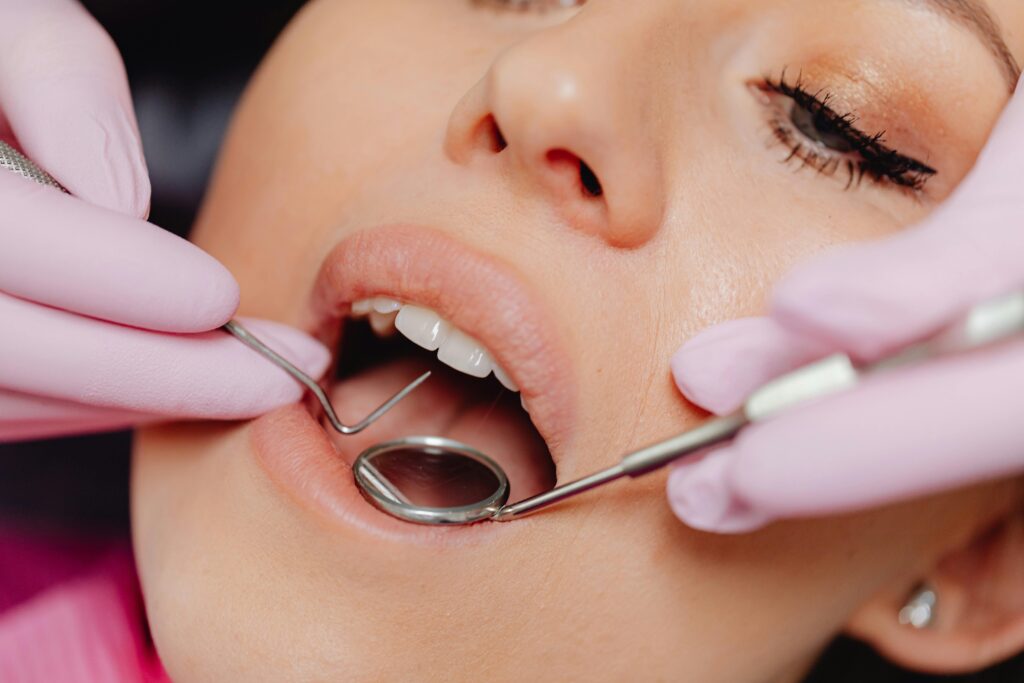
- Clinical examination
- Digital photographs
- Dental scans or impressions
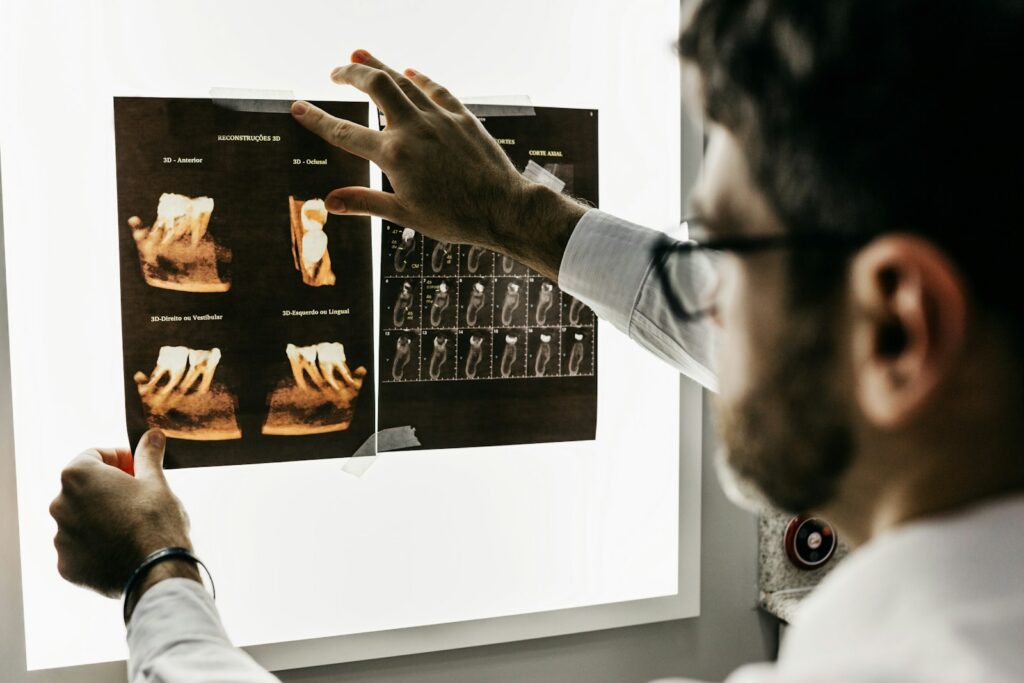
- Appropriate X-rays or three-dimensional imaging
- Evaluation of existing crowns, bridges, and implants
- Assessment of tooth wear and bite relationships
- Diagnostic models or proposed treatment previews
- Consultation with additional specialists when appropriate
This information helps Dr. Chang consider not only what treatment can be performed, but what approach is most likely to provide a stable, maintainable, and natural-looking result.
Quality Is Found in the Details
High-quality restorative treatment is not defined by a single material, technology, or procedure.
It is found in hundreds of decisions made throughout diagnosis, planning, preparation, laboratory communication, treatment, and maintenance.
These decisions may include:
- Which teeth can be predictably preserved
- Where replacement teeth should be positioned
- How the bite should function
- Which restorative materials are appropriate
- How new teeth will relate to the lips and face
- Whether a restoration will be comfortable to clean
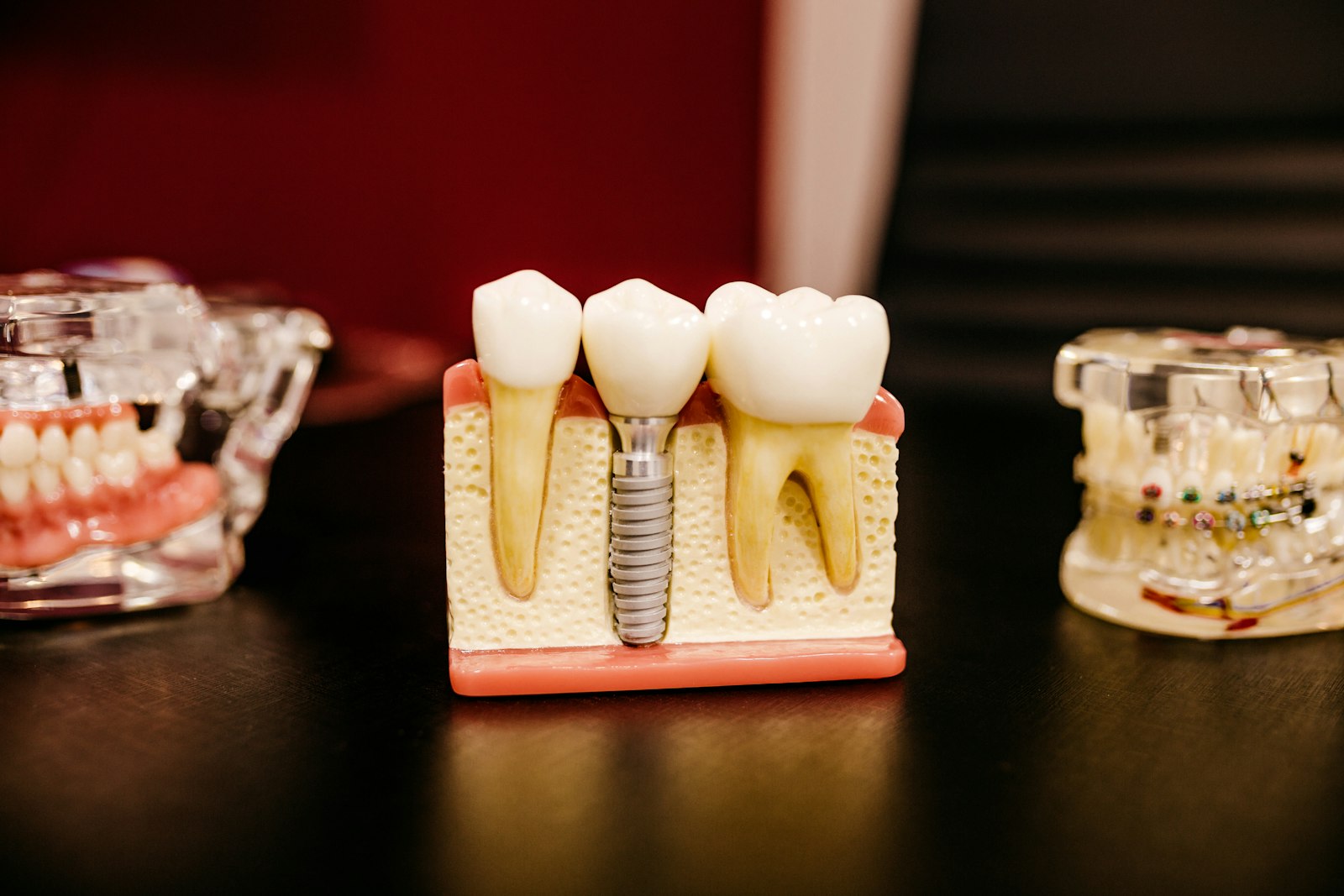
- How implant and prosthetic components will work together
- How treatment should be sequenced
- What maintenance will be needed over time
The objective is not to create teeth that look artificial or overly perfect. The objective is to create a result that belongs to the patient—balanced, natural, functional, and appropriate for the individual face.
A Thoughtful Approach to Full-Mouth Reconstruction
“Full-mouth reconstruction” does not describe one standard procedure.
It is a personalized treatment process that may involve different combinations of crowns, bridges, dental implants, implant-supported restorations, dentures, and carefully selected natural teeth.
Some treatment plans can be completed in stages. Others require close coordination so that the bite, appearance, surgical care, provisional restorations, and final restorations develop together.
Dr. Chang has advanced prosthodontic training and extensive experience with comprehensive reconstruction and implant-related treatment. He has also served as a faculty member in postdoctoral prosthodontics at Harvard School of Dental Medicine.
His role is not simply to perform procedures. It is to oversee the larger vision of the case and ensure that each part supports the final result.
For Patients Who Have Lost Confidence in Dentistry
A patient can be highly accomplished in every other area of life and still feel anxious, embarrassed, or vulnerable in a dental office.
Past experiences may have created a fear of pain, judgment, disappointing results, or losing control. Complex treatment can also feel overwhelming because it involves important health, personal, and financial decisions.
There is no judgment here.
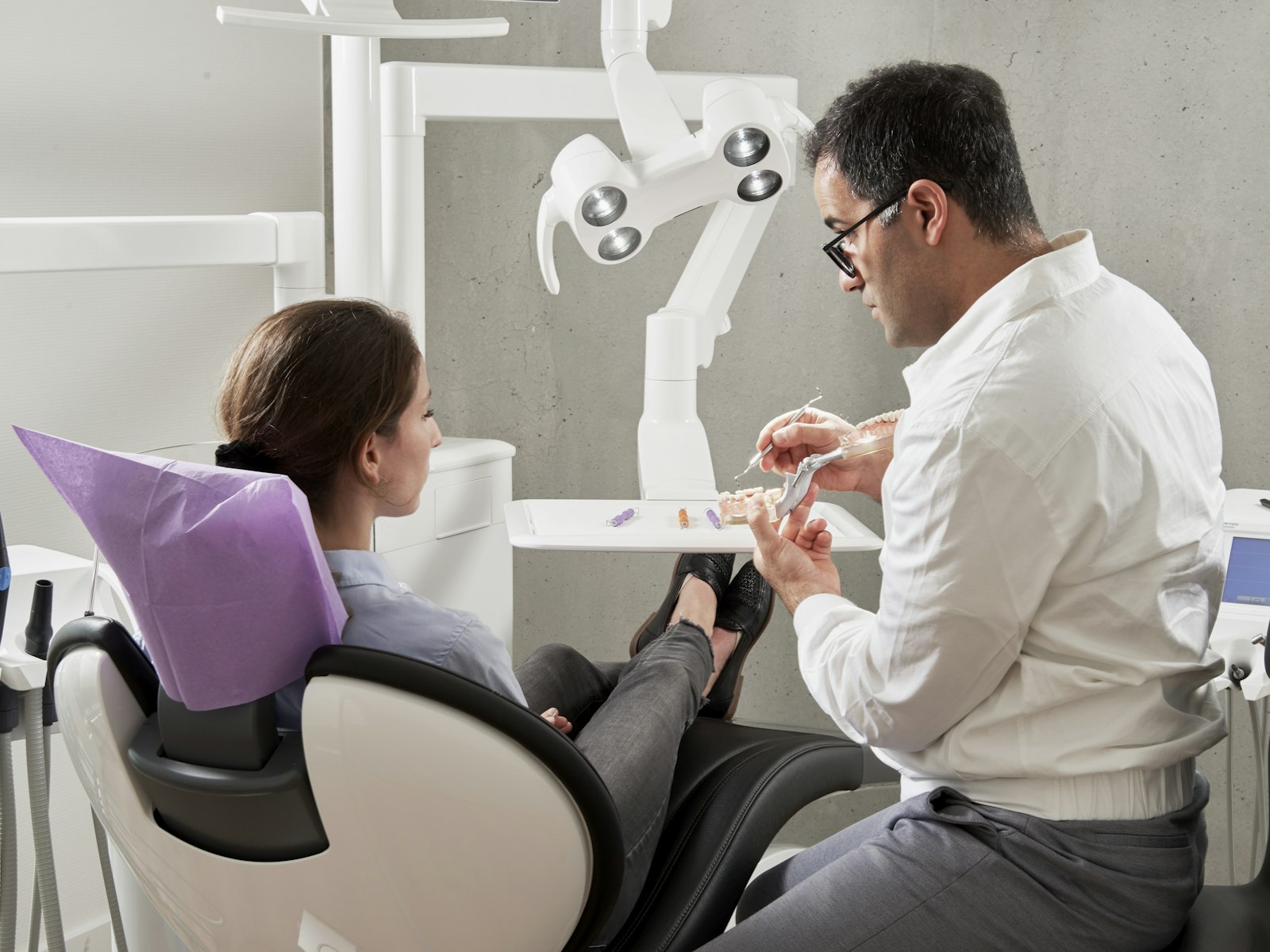
You will be given space to explain your concerns. Findings will be discussed openly, and treatment recommendations will be presented with their benefits, limitations, alternatives, and maintenance requirements.
You are allowed to ask questions. You are allowed to take time to understand the plan. You are allowed to seek another opinion.
Trust should be earned through honesty and consistency.
Seeking a Second Opinion
A second opinion may be particularly valuable before:
- Removing several teeth
- Replacing an existing implant restoration
- Beginning full-mouth reconstruction
- Committing to full-arch implant treatment
- Repeating treatment that has previously failed
- Making a decision between preserving teeth and replacing them
- Proceeding with a plan you do not fully understand
Complex dental conditions can have more than one reasonable solution. The purpose of a second opinion is not to criticize previous care. It is to help you make an informed decision with greater confidence.
Care for Patients Traveling to the Boston Area
Dental Restorative Group welcomes patients from across New England, other parts of the United States, and abroad.
When a patient is traveling for care, thoughtful preparation is especially important. Before making travel arrangements, contact the office so the team can explain which records may be helpful and what can reasonably be determined before an in-person examination.
Complex treatment may require several phases, healing periods, or follow-up visits. The anticipated schedule can only be established after Dr. Chang has reviewed the clinical findings and discussed the proposed treatment.
Our goal is to communicate clearly so that patients can make practical, informed decisions about both their dental care and travel.
Insurance and Treatment Investment
Dr. Chang is an out-of-network provider.
Patients with out-of-network dental benefits may still be eligible for reimbursement depending on their individual plan. The office can provide the appropriate treatment documentation for submission, but insurance payment cannot be guaranteed.
For patients seeking complex care, the treatment conversation focuses first on diagnosis, available options, expected benefits, limitations, and long-term maintenance.
A written financial outline should then make the investment clear before treatment begins.
You May Have More Options Than You Realize
If your dental condition feels overwhelming, the first step does not have to be treatment.
The first step can simply be obtaining a complete evaluation and finally understanding the situation.
Dr. John Chang and the Dental Restorative Group team provide complex prosthodontic, implant, and restorative care for patients from Belmont, Cambridge, Boston, throughout New England, and abroad.
To request a comprehensive consultation with Dr. Chang, call 617-489-1470 or complete the consultation request form on the Dental Restorative Group website.
Dental Restorative Group is located at:
385 Concord Avenue, Suite 100, Belmont, MA 02478
Related Reading
- How Can a Full Mouth Dental Reconstruction Help with TMJ?
- The Difference Between Full Mouth Reconstruction and Smile Makeover
- What Procedures Are Included in a Full Mouth Reconstruction?
Frequently Asked Questions
Does a consultation mean I must begin treatment?
No. A consultation is an opportunity to understand your condition and options. You may take time to consider the recommendations before making a decision.
Can Dr. Chang evaluate dental work completed elsewhere?
Yes. Patients often seek an additional opinion about existing crowns, bridges, implant restorations, dentures, or proposed full-mouth treatment.
Will every damaged tooth need to be removed?
Not necessarily. The prognosis of each tooth must be evaluated individually. When reasonable, preserving healthy natural tooth structure remains an important consideration.
Can complex dental treatment be completed in phases?
Some treatment plans can be divided into logical phases. The sequence depends on active disease, tooth prognosis, bite stability, surgical needs, healing requirements, and the design of the final restorations.
Do you see patients from outside Massachusetts?
Yes. Patients traveling for care should contact the office before arranging a trip so that available records and anticipated appointment needs can be discussed.
This article provides general educational information. It does not provide a diagnosis, establish candidacy for treatment, or guarantee that a tooth, implant, or restoration can be saved. Individual recommendations require an examination and appropriate diagnostic records.