Summer has arrived, which means we have important questions to answer.
Can swimming in a pool really damage your teeth?
Is a sports drink basically healthy water with better marketing?
Does sunscreen stop at your lips?
And why do your teeth suddenly seem more sensitive when every beverage contains approximately twelve pounds of ice?
Welcome to the Dental Restorative Group Summer Mythbusters edition.
No lectures.
No telling you to cancel your vacation.
No suggestion that you spend July indoors eating room-temperature vegetables.
Just a few surprisingly interesting things your teeth would probably like you to know.
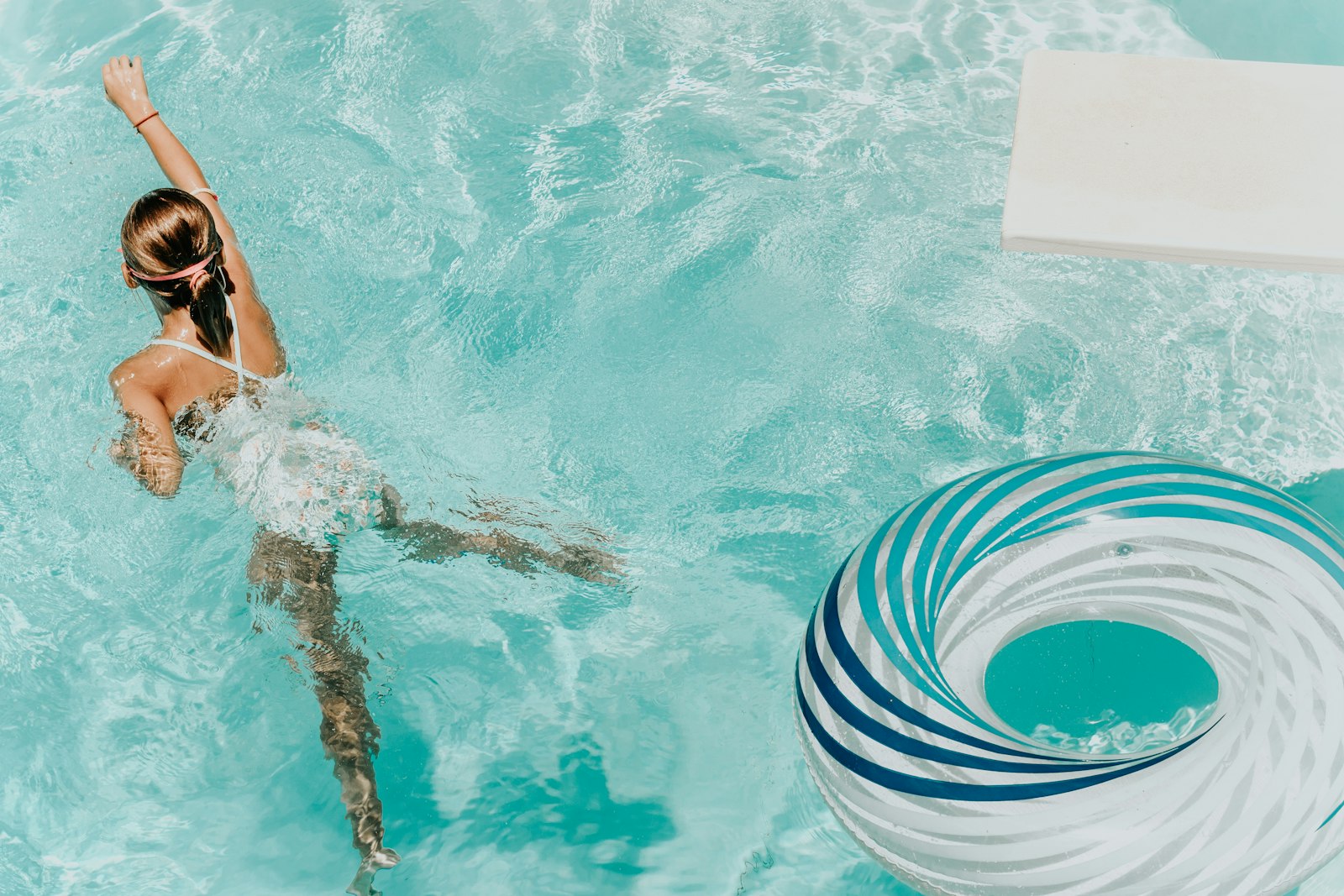
MYTH #1: “Pool Chlorine Is Destroying My Teeth”
Verdict: Probably not because you floated around the pool for an hour last weekend.
But there is an interesting story here.
Research has found an association between frequent swimming and dental erosion in some competitive swimmers, particularly when exposure is prolonged or pool water chemistry is not appropriately maintained.
The concern is not simply “chlorine touching your teeth.”
Pool-water chemistry and pH matter. Research has reported a greater prevalence of dental erosion among competitive swimmers with significant long-term exposure, and the American Dental Association includes swimming-pool exposure among environmental factors that may contribute to erosion in certain circumstances.
For the person enjoying an occasional afternoon swim?
This is not a reason to dramatically exit the pool.
For competitive swimmers spending many hours in the water each week, however, unusual tooth sensitivity or changes in enamel may be worth mentioning at a dental visit.
Summer takeaway: Enjoy the pool. Just don’t assume that every dental concern is caused by chlorine—and competitive swimmers should let their dentist know how much time they spend in the water.
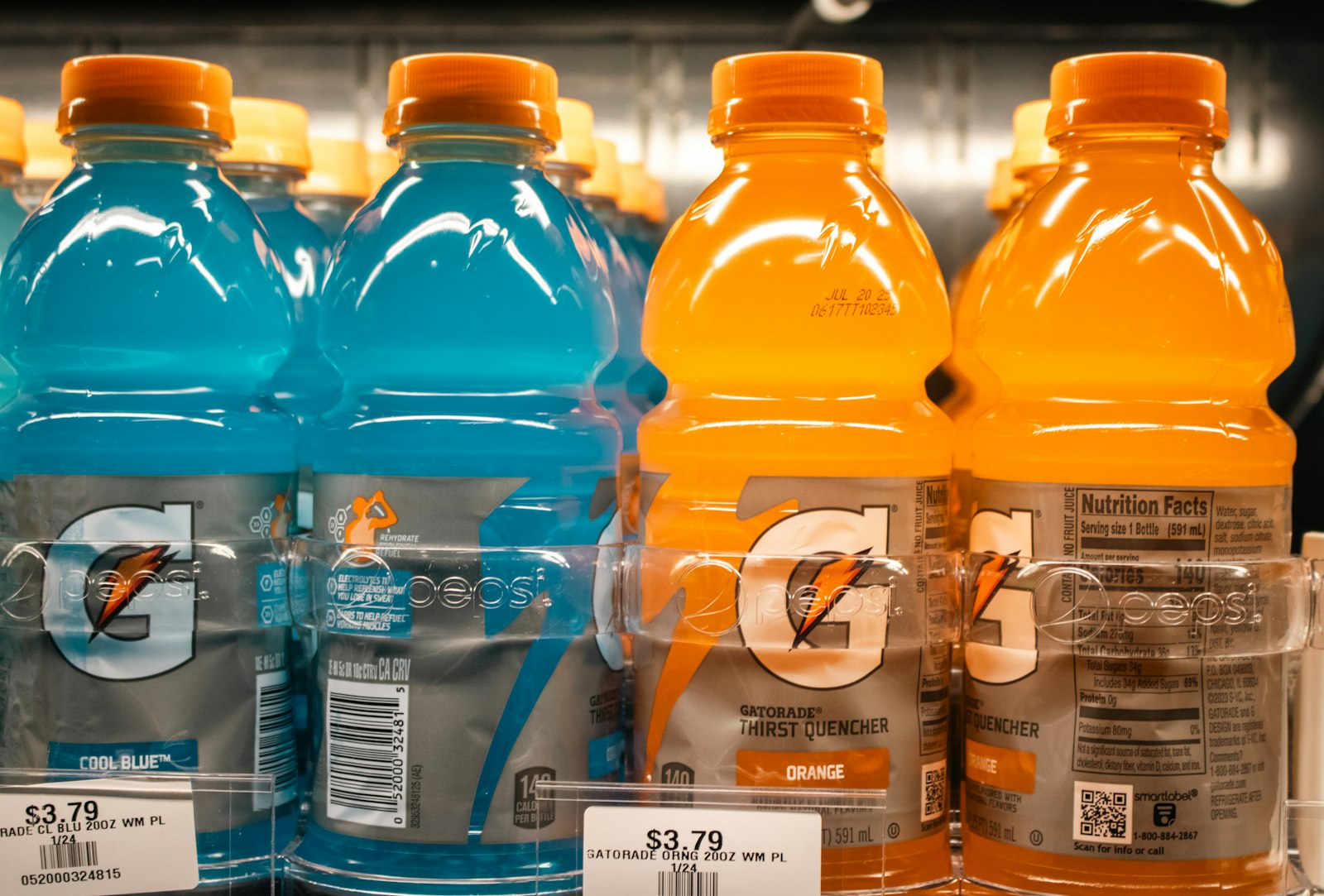
MYTH #2: “Sports Drinks Are Basically Water for Athletic People”
Verdict: Your teeth would like to review the definition of ‘basically.’
You played two hours of tennis.
You ran along the Charles.
You survived a pickleball match that became inexplicably competitive.
Hydration matters.
But sports drinks and water are not interchangeable from a dental perspective.
Many sports and energy beverages contain acids, sugars, or both. Frequent exposure to acidic beverages can contribute to erosive tooth wear, and the ADA notes that athletic activity may combine several potential factors—including acidic drinks, dehydration, and reduced salivary flow.
This does not mean that everyone who exercises needs to fear a sports drink.
It means frequency matters.
There is a difference between using an appropriate sports beverage during prolonged strenuous exercise and carrying one around all afternoon, taking a sip every six minutes.
Your teeth experience each exposure.
Summer takeaway: For routine hydration, plain water remains beautifully uncomplicated. If you regularly use sports drinks for athletic training, talk with your healthcare professionals about what makes sense for your individual needs.
MYTH #3: “If My Mouth Feels Dry in the Summer, I Just Need More Lip Balm”
Verdict: Wrong end of the problem.
Hot weather, physical activity, and dehydration can leave your mouth feeling dry.
And saliva does considerably more than make your mouth feel comfortable.
It helps wash away food particles, supports the oral environment, and plays a role in protecting teeth.
The ADA notes that strenuous activity combined with dehydration and decreased salivary flow may increase susceptibility to dental erosion, particularly when acidic beverages are also consumed frequently.
Of course, persistent dry mouth can have many possible causes—including medications and medical conditions—so ongoing symptoms should not automatically be blamed on July.
Summer takeaway: Stay appropriately hydrated. And if dry mouth is frequent, significant, or continues beyond hot-weather activities, mention it to your dentist or physician rather than simply accepting it as normal.
MYTH #4: “I Put Sunscreen Everywhere That Matters”
Verdict: Did you remember your lips?
We know.
You applied sunscreen to your face.
Your shoulders.
Your arms.
Possibly one ear.
Then you immediately forgot the other ear.
But what about your lips?
The American Academy of Dermatology recommends protecting the lips outdoors with a lip balm offering SPF 30 or higher, along with appropriate reapplication, particularly after swimming or sweating.
This is technically more dermatology than dentistry, but we work approximately two inches away from your lips all day.
We care about them too.
Summer takeaway: Add SPF lip balm to the collection of mysterious objects living permanently in your beach bag.
Your future self will thank you.
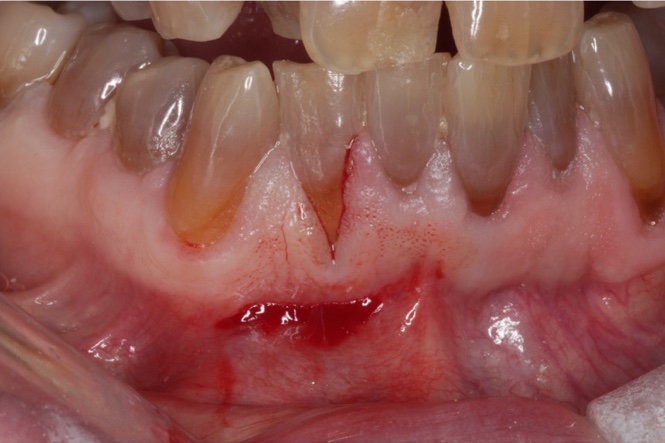
MYTH #5: “My Teeth Feel Sensitive Because Everything Is Cold in Summer”
Verdict: Maybe. But don’t automatically blame the frozen lemonade.
Summer has a way of testing tooth sensitivity.
Ice water.
Frozen drinks.
Ice cream.
Smoothies.
More ice cream.
A tooth that seemed perfectly peaceful in February may suddenly have opinions.
Temporary sensitivity can have several possible explanations, and cold itself does not tell us what the underlying cause is.
Sensitivity may be associated with exposed root surfaces, enamel wear, decay, cracks, grinding, or certain dental procedures, among other possibilities.
The important question is the pattern.
Does the sensation disappear quickly?
Does it linger?
Is it one tooth?
Is there pain when biting?
Has it changed?
A brief response to something very cold is different from persistent or worsening pain.
Summer takeaway: Do not diagnose yourself based on an ice cream cone. If sensitivity is new, significant, localized, lingering, or worsening, have it evaluated.
We would also like to formally state that we are not anti–ice cream.
That would be unreasonable.
MYTH #6: “Acidic Drinks Only Matter If They Have Sugar”
Verdict: Sugar and acidity are two different conversations.
This one surprises people.
When we discuss beverages and teeth, cavities tend to get all the attention.
But dental erosion is different.
Erosion refers to the chemical loss of tooth structure related to acids rather than bacteria. The ADA notes that frequent exposure to acidic drinks—including certain soft drinks, sports drinks, and fruit beverages—can contribute to erosive tooth wear.
So a beverage being sugar-free does not automatically mean it is neutral for tooth enamel.
Again, frequency matters enormously.
Drinking something acidic occasionally with a meal is a different pattern from sipping an acidic beverage throughout the entire day.
Summer takeaway: You do not need to conduct a chemistry experiment every time someone hands you a beverage.
Just remember that plain water is still the easiest drink for your teeth to be around all day.
MYTH #7: “Competitive Athletes Only Need to Worry About Breaking a Tooth”
Verdict: Protecting teeth during sports is only part of the picture.
Athletes obviously need to think about dental injuries.
A properly fitted athletic mouthguard can help reduce the risk and severity of injuries involving the teeth and surrounding tissues during activities where impacts may occur.
But athletes may also have other oral-health considerations.
Sports beverages.
Frequent carbohydrate intake.
Dry mouth during prolonged exercise.
Clenching during intense physical effort.
And, for some competitive swimmers, extensive exposure to pool water.
ADA reporting on oral health in athletes has highlighted the combination of acidic or sugary sports products, reduced saliva during exertion, and the importance of appropriate mouth protection.
In other words, your mouth is technically also participating in the sport.
Even if it receives no medal.
Summer takeaway: Serious athletes should include oral health in the larger conversation about performance and preventive care.
BONUS MYTH: “If Nothing Hurts, Everything Must Be Fine”
Verdict: We wish dentistry worked that way.
Some dental problems are incredibly polite.
They cause no pain.
They make no noise.
They do not interrupt your vacation.
They simply wait quietly.
A worn restoration, small crack, changing bite, area of decay, or other dental concern may not necessarily cause immediate symptoms.
That is one reason regular dental examinations matter.
The objective is not to find treatment for the sake of finding treatment.
It is to identify meaningful changes early enough that patients can understand their options.
At Dental Restorative Group, we believe patients deserve to know three things:
What are you seeing?
Why does it matter?
And what happens if we do nothing?
Sometimes treatment is appropriate.
Sometimes monitoring is appropriate.
Sometimes a patient simply needs reassurance.
The answer should depend on the individual situation—not on filling a schedule.
So, What Have We Learned This Summer?
Pool water is more complicated than “chlorine is bad.”
Sports drinks are not water wearing an athletic outfit.
Your lips would appreciate some SPF.
Dry mouth deserves attention.
Acid and sugar are not the same dental problem.
And apparently even a relaxing afternoon at the pool can become an entire dental blog.
Who knew?
Our real summer advice is simple:
Enjoy your life.
Swim.
Travel.
Play sports.
Spend time outside.
Try whatever activity your friends suddenly insist everyone is doing this year.
Just pay attention when your mouth tells you something has changed.
A tooth that repeatedly hurts.
Sensitivity that is getting worse.
A restoration that feels different.
A bite that suddenly does not feel right.
Those are worth a conversation.
At Dental Restorative Group, Dr. John Chang and Dr. Min Jeong provide specialized prosthodontic and restorative care for patients with needs ranging from an individual damaged tooth to complex full-mouth rehabilitation.
Sometimes the solution is simple.
Sometimes it requires more investigation.
Either way, we believe the first step should be understanding the problem—not rushing into treatment.
From all of us at Dental Restorative Group, enjoy the rest of your summer.
And please remember the SPF lip balm.
We have now officially reminded you.
Dental Restorative Group, 385 Concord Avenue, Suite 100, Belmont, MA 02478. Call 617-489-1470 to request an appointment. We see patients from Belmont, Cambridge, Boston, and the surrounding communities.
Related Reading
- Why Summer Can Affect Your Oral Health
- The World Cup Smile Playbook: Soccer and Dentistry
- How Long Will Sensitivity in My Teeth Last After Teeth Whitening?
Frequently Asked Questions
Can swimming pool water damage your teeth?
For an occasional swim, it is not a real concern. Research has found an association between frequent swimming and dental erosion in some competitive swimmers, particularly with prolonged exposure or poorly maintained pool-water chemistry. Competitive swimmers with unusual sensitivity should mention their pool time to a dentist.
Are sports drinks bad for your teeth?
Many sports and energy drinks contain acids, sugars, or both, and frequent exposure can contribute to erosive tooth wear. Frequency matters most: sipping one throughout the afternoon exposes your teeth far more than using one during prolonged, strenuous exercise. For routine hydration, plain water is easiest on teeth.
Does a sugar-free drink still harm enamel?
It can. Erosion is the chemical loss of tooth structure from acids, not bacteria, so a beverage being sugar-free does not make it neutral for enamel. Certain sugar-free soft drinks, sports drinks, and fruit beverages are still acidic. Frequency of exposure matters enormously.
Why are my teeth more sensitive in summer?
Iced drinks and ice cream test sensitivity, but cold itself does not reveal the cause. Sensitivity may relate to exposed roots, enamel wear, decay, cracks, grinding, or recent dental work. A brief response to something very cold is different from persistent or worsening pain, which should be evaluated.
Do I need to protect my lips in the sun?
Yes. The American Academy of Dermatology recommends protecting the lips outdoors with a lip balm offering SPF 30 or higher, and reapplying it, especially after swimming or sweating. It is more dermatology than dentistry, but lip health matters.
If nothing hurts, are my teeth fine?
Not necessarily. A worn restoration, small crack, changing bite, or area of decay may cause no symptoms at first. That is one reason regular dental examinations matter, so meaningful changes can be identified early enough for you to understand your options.
This article provides general educational information and is not a substitute for individualized dental or medical advice, diagnosis, or treatment.