Some patients enter a dental office feeling completely at ease.
Others arrive carrying years of anxiety.
They may be afraid of discomfort, embarrassed about their teeth, uncertain whether they can trust a recommendation, or worried that they will be rushed into treatment before they feel ready.
Dental anxiety does not have a particular age, background, or appearance. A person can be confident and successful in every other part of life and still feel vulnerable in the dental chair.
Dr. Min Jeong understands that excellent restorative dentistry requires more than technical ability. It also requires listening carefully, explaining honestly, and treating each patient as a person—not as a list of procedures.
Your First Appointment Is a Conversation
You do not need to arrive knowing exactly what treatment you need.
You may simply know that something does not feel right, that older dental work is beginning to fail, or that you have postponed care longer than you intended.
The first appointment is a chance to discuss:
- What concerns you most
- What you have experienced in the past
- What makes dental care difficult for you
- Whether you have pain or functional limitations
- How you feel about the appearance of your teeth
- What you hope to preserve or improve
- How quickly or gradually you would like to move forward
You will not be judged for the condition of your teeth or for the amount of time that has passed since your last visit.
The focus is on where you are today and what can be done from here.
What Does Restorative Dentistry Include?
Restorative dentistry focuses on repairing damaged teeth, preserving healthy tooth structure, improving function, and replacing what has been lost.
Depending on the clinical findings, treatment may include:
- Tooth-colored fillings
- Inlays or onlays
- Dental crowns
- Bridges
- Repair or replacement of older restorations
- Restoration of chipped, fractured, or worn teeth
- Veneers in carefully selected cases
- Coordination of care involving several teeth
- Comprehensive rehabilitation without unnecessary surgery
Dr. Min is a prosthodontist with advanced training in comprehensive restorative dentistry, digital workflows, and oral rehabilitation. She trained under Dr. Chang at Harvard and focuses on personalized restorative care.
Dentistry Should Look Like You
Many patients seeking advanced restorative care do not want an artificial-looking smile.
They want to look healthy, rested, confident, and like themselves.
Creating natural-looking dentistry requires more than choosing a tooth shade. The dentist must consider:
- Facial proportions
- Lip movement
- Tooth shape and position
- Surface texture
- Translucency
- Symmetry without creating an artificial appearance
- The relationship between the teeth and gums
- The way the upper and lower teeth function together
A beautiful restoration should not call attention to itself. It should feel appropriate for the individual patient.
That principle applies whether Dr. Min is restoring one tooth or planning care involving several areas of the mouth.
Understanding Why the Problem Developed
A broken tooth is not always an isolated event.
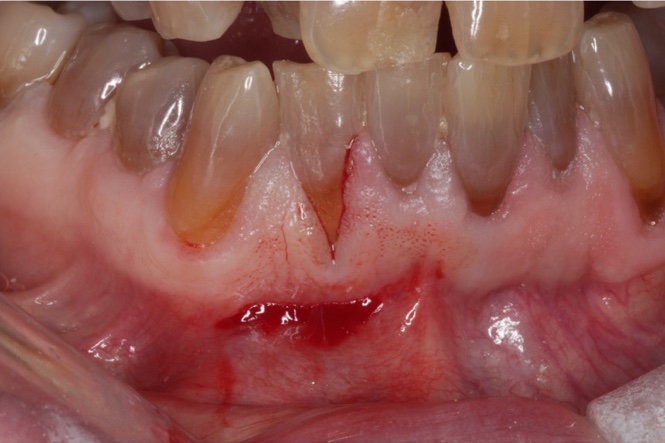
It may be affected by an older filling, tooth grinding, bite pressure, decay, reduced tooth structure, or the condition of nearby teeth.
Before recommending a restoration, Dr. Min considers both the visible damage and the forces that may have contributed to it.
A careful evaluation may include:
- Decay and cracks
- Existing crowns and fillings
- Gum and bone health
- Tooth wear
- Grinding or clenching
- Bite relationships
- Missing teeth
- Areas that are difficult to clean
- Changes in tooth position
- Previous restorative complications
Treating the cause, when possible, can be just as important as repairing the visible problem.
Quality Without Unnecessary Treatment
Patients who value quality do not necessarily want more dentistry.
They want the right dentistry.
A thoughtful treatment plan distinguishes between:
- What requires attention now
- What can safely be monitored
- What is necessary for health or function
- What is primarily aesthetic
- What may offer a conservative alternative
- What is unlikely to provide a predictable benefit
Dr. Min’s role is to explain these differences clearly.
Recommendations should make sense clinically and personally. When more than one option is reasonable, you should understand the advantages, limitations, expected maintenance, and investment associated with each choice.
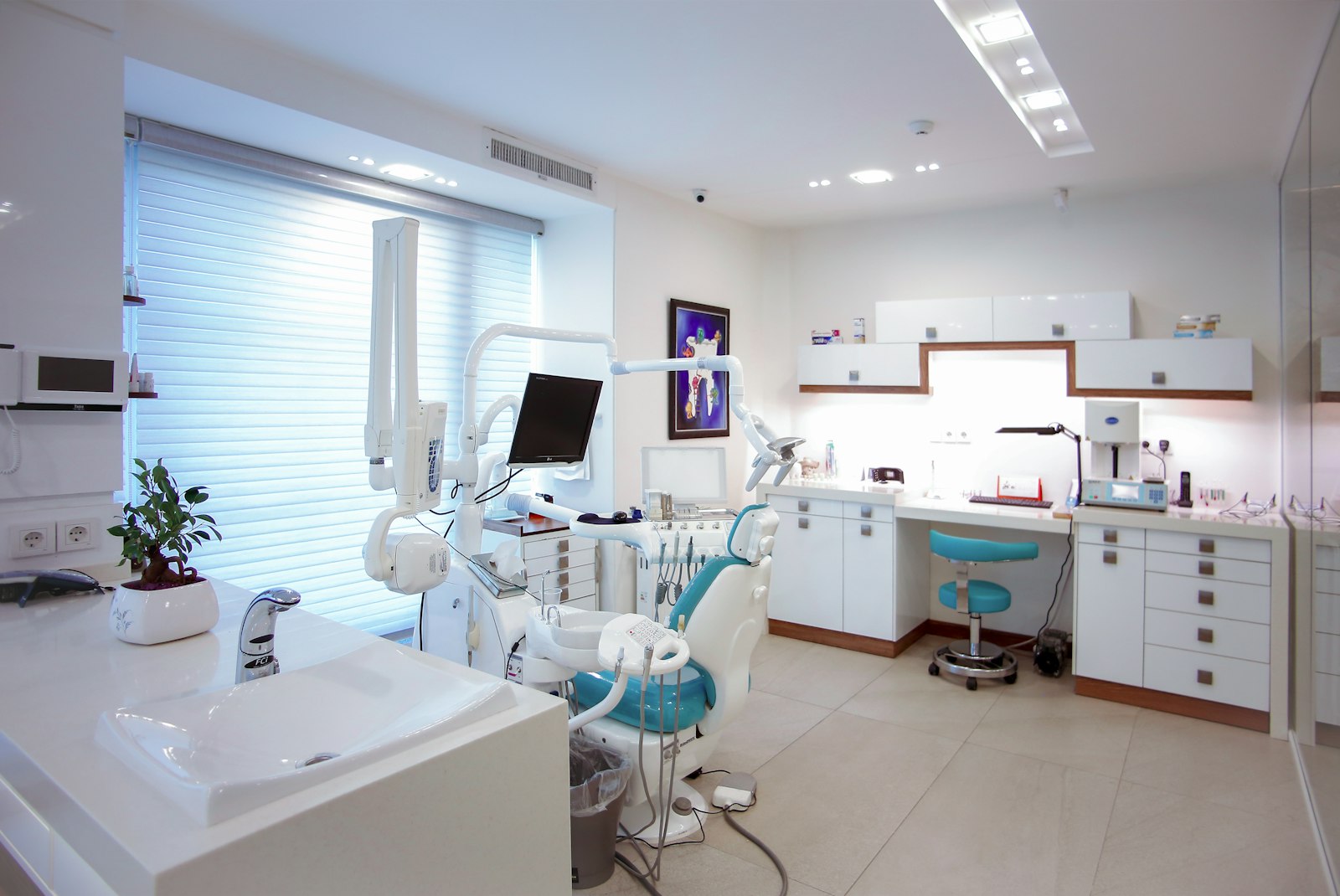
Care for Patients With Dental Anxiety
Anxiety is not something a patient should be expected to hide or overcome alone.
Tell us what concerns you. Some patients dislike injections. Others are sensitive to sounds, have a strong gag reflex, struggle to keep their mouth open, or have previously felt ignored when they needed a break.
Depending on your needs and the planned procedure, the experience may be made more manageable by:
- Discussing concerns before treatment begins
- Explaining each step in advance
- Establishing a hand signal for breaks
- Dividing care into shorter or more manageable visits
- Allowing additional appointment time when appropriate
- Checking comfort throughout treatment
- Avoiding surprises
- Providing clear post-treatment instructions
The goal is not to offer empty reassurance.
The goal is to create trust through preparation, communication, and consistent care.
Treatment Can Be Organized Into Manageable Phases
Patients with several dental concerns are sometimes afraid that they will receive a long treatment list and be expected to complete everything immediately.
That is not always necessary.
After completing the evaluation, Dr. Min can help organize recommendations according to priority.
The first phase may address active decay, structural damage, discomfort, or teeth at greater risk. Other treatment may be completed later or monitored over time.
A phased plan can help you understand:
- What is urgent
- What is important but not immediate
- What is elective
- Which teeth have a stable outlook
- How appointments may be sequenced
- How dental benefits may apply
- What personal investment may be expected
Clarity often makes dental treatment feel less overwhelming.
Restorative Care for Adults at Every Stage of Life
Quality restorative dentistry is not limited to one age group.
A younger adult may need help with congenitally missing teeth, worn enamel, a damaged front tooth, or restorations that no longer look natural.
A mid-career professional may want to address years of accumulated treatment while maintaining a natural, understated appearance.
An older adult may need help preserving remaining teeth, replacing aging crowns, improving chewing, or developing a plan that will be practical to maintain.
The treatment should reflect the patient’s health, lifestyle, priorities, and long-term needs—not a standardized idea of the “perfect smile.”
Insurance Information for Dr. Min’s Patients
Dr. Min participates with select Delta Dental and Blue Cross Blue Shield dental plans.
Individual networks and benefits vary, so participation should be verified using the patient’s specific insurance information before the appointment.
The office can help estimate available benefits, but an insurance estimate is not a guarantee of payment.
Insurance can be useful, but coverage rules should not be confused with a clinical recommendation. Treatment decisions should be based on the condition of the tooth, available options, expected outcome, and the patient’s priorities.
A Second Opinion Without Pressure
You may benefit from another restorative opinion when:
- You have been given a plan involving several teeth
- You are unsure whether a crown needs to be replaced
- Previous restorations have repeatedly broken
- You have concerns about the appearance of proposed treatment
- You want to understand whether a more conservative option exists
- You feel that your questions were not fully answered elsewhere
- You want a specialist to evaluate a complicated restorative situation
A second opinion is not a commitment to treatment.
It is an opportunity to gather information and make a more confident decision.
Meet With Dr. Min Jeong in Belmont, Massachusetts
You do not need to wait until every concern becomes an emergency.
Whether you need to restore one tooth, replace aging dental work, or develop a comprehensive plan, the process can begin with a calm conversation.
Dr. Min Jeong provides personalized restorative and prosthodontic care for patients from Belmont, Cambridge, Boston, surrounding New England communities, and abroad.
To request an appointment with Dr. Min, call 617-489-1470 or complete the consultation request form on the Dental Restorative Group website.
Dental Restorative Group is located at:
385 Concord Avenue, Suite 100, Belmont, MA 02478
When scheduling, patients may ask the team to verify participation with their specific Delta Dental or Blue Cross Blue Shield dental plan.
Related Reading
- The World Cup Smile Playbook: What Great Soccer and Great Dentistry Have in Common
- When Your Dental Needs Are Complex, the Plan Matters as Much as the Treatment
- When Your Bite Feels Off: Understanding Occlusion and How to Fix It
Frequently Asked Questions
Will I be judged if I have avoided dental treatment?
No. Patients postpone care for many personal, medical, emotional, and practical reasons. The purpose of the appointment is to understand your present needs and help you move forward.
Does Dr. Min only treat extensive cases?
No. Dr. Min can evaluate individual damaged teeth as well as more comprehensive restorative concerns.
What if I am not ready to begin treatment immediately?
An evaluation does not obligate you to proceed. You may review the findings, ask questions, and consider your options.
Can treatment be divided into phases?
Often, yes. Clinical priorities, tooth prognosis, function, appearance, scheduling, and financial considerations can help determine an appropriate sequence.
Is Dr. Min in network with my insurance?
Dr. Min participates with select Delta Dental and Blue Cross Blue Shield dental plans. The office must verify the specific network and plan before confirming participation.
Do you welcome patients traveling from outside the Boston area?
Yes. Patients traveling from another state or country should contact the office before making arrangements so that available records and anticipated appointment requirements can be discussed.
This article provides general educational information and does not replace an examination, diagnosis, or individualized treatment recommendation.