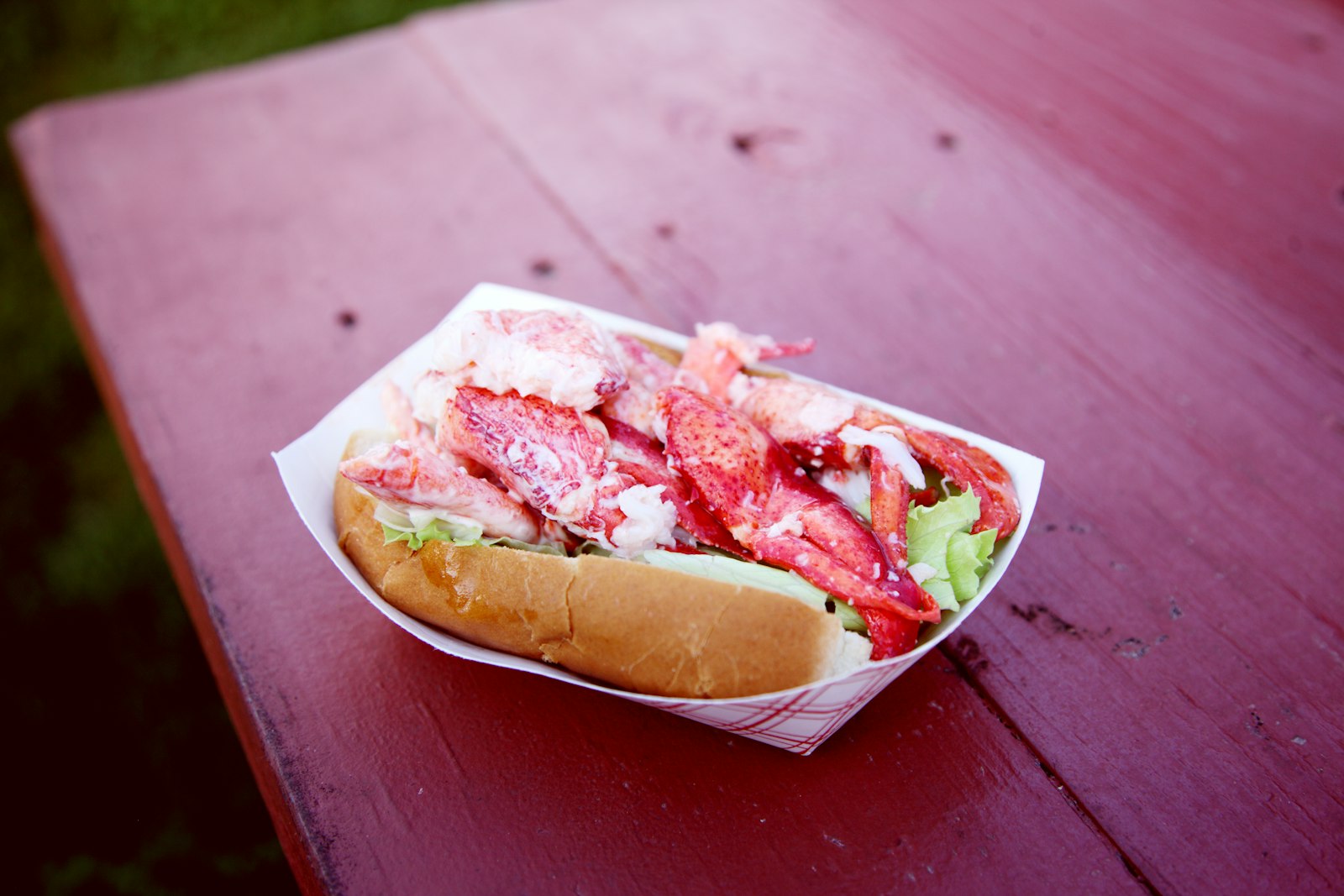
Let’s talk about one of summer’s most important subjects.
Food.
More specifically: the foods that make summer in New England feel like summer.
Corn on the cob.
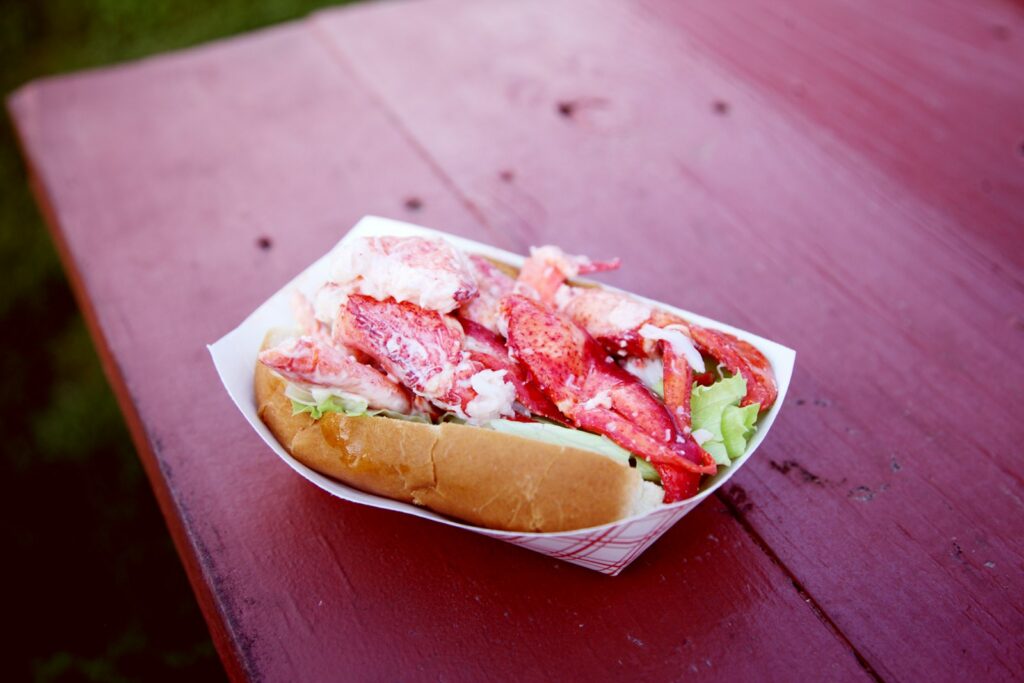
Lobster rolls.
Backyard barbecue.
Fresh fruit.
Ice cream.
And, for reasons we still do not completely understand, the irresistible urge some people have to chew the ice after the drink is gone.
If you have natural teeth, you should obviously take care of them.
But what if you have invested in crowns, veneers, bridges, dental implants, or extensive restorative dentistry?
Can you eat normally?
Absolutely.
Does that mean your dental work is indestructible?
Unfortunately, no.
High-quality dental restorations are designed to function in everyday life, but they still live in a very demanding environment. Every day they are exposed to chewing forces, temperature changes, grinding, clenching, sticky foods, hard foods, and occasionally decisions that seemed completely reasonable at a Fourth of July barbecue.
So, in honor of summer, we are ranking a few seasonal favorites from:
Enjoy without overthinking it
to
Please don’t make your front crown do that.
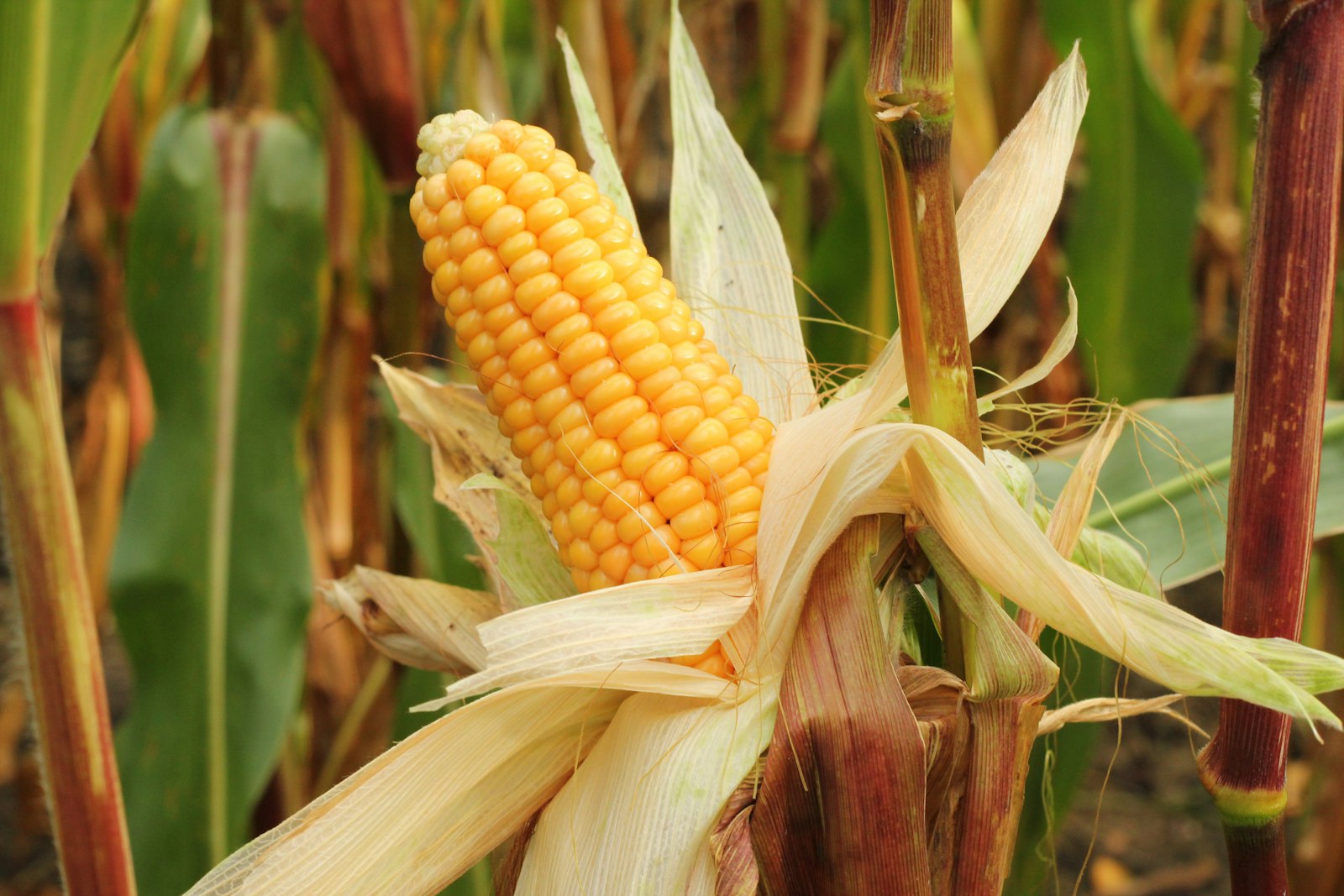
Corn on the Cob: The Classic Summer Question
Let’s begin with corn.
Because somehow corn on the cob becomes much more exciting when it is served outside.
Can you eat corn on the cob with crowns?
In many cases, yes.
A healthy, well-supported dental crown is designed to function during normal chewing.
The bigger question is not necessarily the corn.
It is the condition of the tooth and restoration underneath.
An older crown with a weakened underlying tooth, a loose restoration, or a history of fracture may require more caution.
Patients with extensive front-tooth restorations may also prefer cutting the corn from the cob rather than using significant biting pressure directly on visible restorations.
Is that less festive?
Perhaps.
Is it still corn?
Yes.
What about veneers?
Porcelain veneers are bonded to the front surfaces of selected teeth and are designed for normal function, but they should not be treated as tools.
Biting aggressively into very hard foods with veneered front teeth may place unnecessary stress on the restorations.
Cutting particularly firm foods into smaller pieces can be a simple way to reduce risk.
The goal is not to become afraid of eating.
It is to use reasonable judgment.
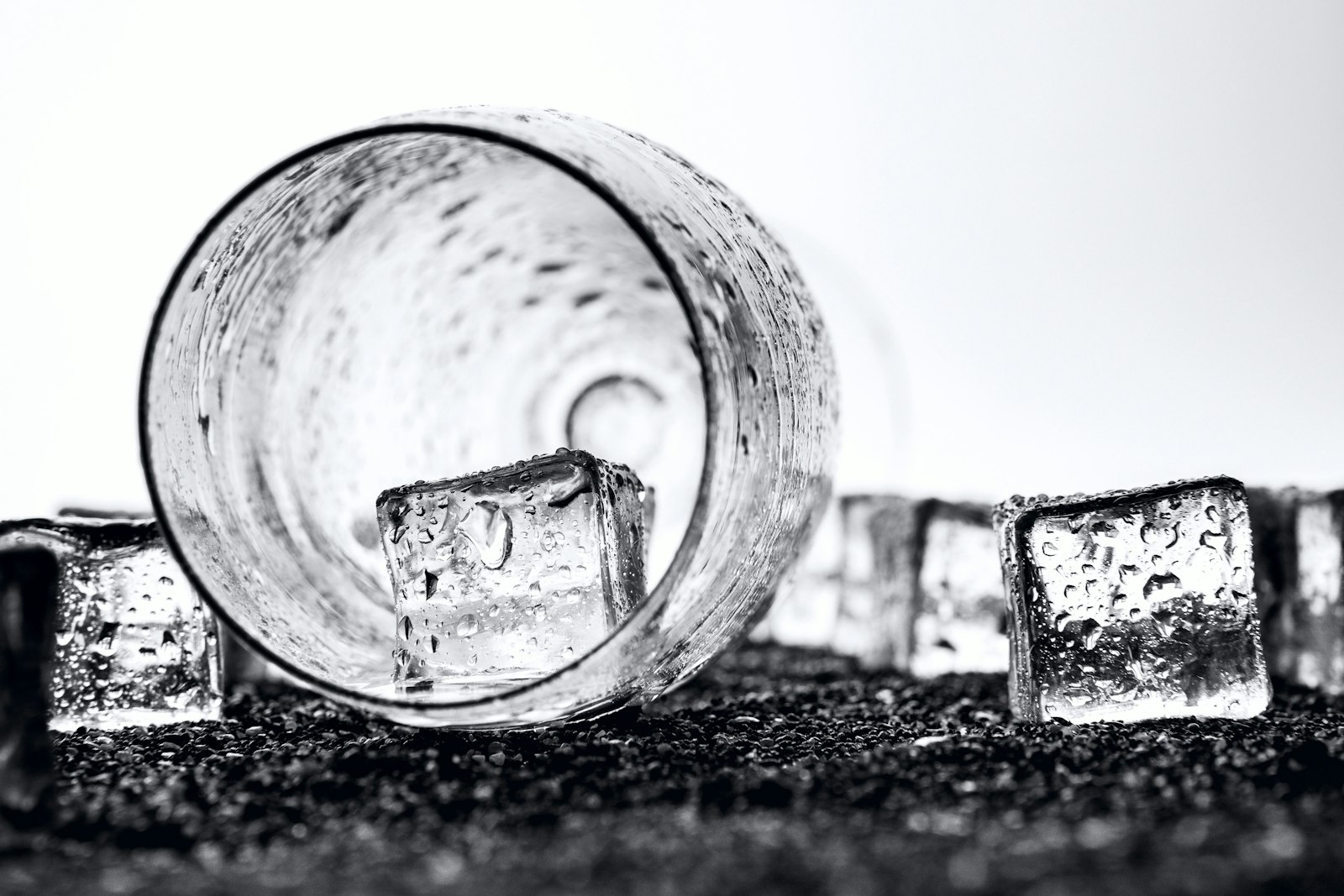
Ice Cubes: The Summer Villain No One Asked For
We need to have a conversation.
About ice.
Specifically, chewing it.
Your teeth are excellent at many things.
Chewing ice is not one of their assigned responsibilities.
Hard ice can place substantial force on natural teeth and dental restorations. A tooth with a large filling, an existing crack, or significant restorative work may be particularly vulnerable.
Crowns and veneers can also chip or fracture under excessive force.
And yes, we know.
You have been chewing ice your entire life and nothing has happened.
That is often how these stories begin.
Everything is fine.
Until one day it isn’t.
Enjoy the cold drink.
Let the ice remain a supporting character.
Lobster Rolls: Generally Excellent News
We are pleased to report that lobster rolls are not currently considered a major threat to modern prosthodontics.
This is good news for Massachusetts.
The lobster itself is relatively manageable from a chewing perspective.
The challenge arrives when the lobster is still inside the shell.
Please do not use your teeth to crack shells.
This applies to:
- Lobster shells
- Crab shells
- Nut shells
- Pistachios that refuse to cooperate
- Packaging
- Bottle caps
- Anything else for which a tool clearly exists
We cannot emphasize this enough:
Your dental crown may be beautifully made.
It is still not a lobster cracker.
BBQ Ribs: Delicious, With a Small Disclaimer
Ribs are not inherently dangerous to dental work.
Bones are.
When eating meat from the bone, slow down as you get close to the hard surface.
Accidentally biting directly onto a bone can create a sudden force capable of damaging a natural tooth or restoration.
The same general principle applies to:
- Chicken wings
- Bone-in steak
- Chops
- Barbecue ribs
This is particularly relevant for patients with porcelain restorations or teeth that have already been structurally compromised.
Enjoy the barbecue.
Just remember where the meat ends and the bone begins.
Sticky BBQ Sauce: Your Crown Is Probably Not Afraid, but Your Tooth Still Matters
Sticky foods tend to get blamed for pulling crowns off.
A properly functioning crown should generally tolerate normal eating.
However, extremely sticky or chewy foods may create problems when a restoration is already loose or compromised.
They may also remain around the teeth longer, which matters from a plaque and decay perspective.
A crown itself cannot develop a cavity.
The natural tooth supporting it can.
This is an important distinction.
Dental restorations do not make the surrounding teeth and gums maintenance-free.
Cleaning around crowns, bridges, veneers, and implant restorations remains an important part of protecting the long-term result.
Fresh Summer Fruit: Mostly a Win
Peaches.
Blueberries.
Watermelon.
Strawberries.
Summer fruit is one of the better reasons to tolerate New England humidity.
For most patients, fresh fruit fits easily into a healthy diet.
The interesting dental question is usually not the fruit itself.
It is what happens afterward.
Fruit can contain natural sugars and acids. Dried fruit, meanwhile, is much more concentrated and can be sticky.
Again, this does not mean you should fear fruit.
We are a dental practice, not the anti-blueberry lobby.
A balanced diet, reasonable frequency, regular home care, and professional dental maintenance matter far more than obsessing over one peach at a picnic.
Popcorn: The Kernel Is the Plot Twist
Popcorn seems harmless.
Soft.
Light.
Perfect for an outdoor movie.
Then comes the unpopped kernel.
Biting unexpectedly onto a hard kernel can create enough force to fracture a natural tooth or damage an existing restoration.
Popcorn hulls may also become trapped around teeth and restorations.
Our official recommendation?
Enjoy the popcorn.
Approach the bottom of the bowl with the caution of someone who knows the plot twist is coming.
Caramel, Taffy & Extremely Sticky Summer Treats
Summer vacation towns seem to have an unwritten law requiring at least one store that sells taffy.
We respect tradition.
Your dental work may be less enthusiastic.
Very sticky candies can be challenging around:
- Temporary crowns
- Loose restorations
- Bridges
- Certain removable dental appliances
They also tend to remain in contact with teeth longer than foods that clear from the mouth quickly.
No one needs to panic over one piece of candy.
But patients with extensive restorative work may want to reconsider making extremely sticky candy a competitive sport.
Dental Implants: Strong Does Not Mean Invincible
Patients sometimes assume dental implants can handle absolutely anything because they are made from strong materials.
Implants can provide excellent support for replacement teeth.
But there are several components involved.
There is the implant in the bone.
There may be an abutment or connecting component.
And there is the crown, bridge, or full-arch restoration that you actually chew with.
Those restorative components are still subject to forces.
Porcelain can chip.
Components can wear.
Screws can loosen.
And the tissues surrounding dental implants still require ongoing care.
Dental implants also do not give anyone permission to open beer bottles with their teeth.
We felt this needed to be stated explicitly.
Full-Mouth Restorations Deserve a Little Respect
Patients who have undergone comprehensive restorative treatment have often invested significant time, thought, and resources into rebuilding their smiles.
After treatment is complete, the goal is to enjoy the result.
Not to become afraid of food.
A well-planned restoration should allow patients to function comfortably within the limits appropriate for their individual situation.
But extensive dental work also deserves maintenance.
That may include:
- Regular professional examinations
- Appropriate dental cleanings
- Careful home hygiene
- Cleaning under implant bridges when necessary
- Wearing a recommended night guard
- Monitoring grinding or clenching
- Addressing small problems before they become larger ones
Think of it this way:
You can drive a beautifully engineered car every day.
You still change the oil.
Quality dentistry and long-term maintenance belong in the same conversation.
What About Steak?
We knew someone would ask.
Yes.
Many patients with crowns, implants, bridges, and other restorations eat steak.
The condition of the teeth, restorations, bite, and supporting structures matters far more than the fact that the menu says steak.
For patients who recently completed treatment, instructions may be different during healing or while wearing temporary restorations.
Follow the specific guidance provided by your dentist.
Once treatment is complete and stable, the goal of restorative dentistry is generally to improve function—not to create a mouth that is afraid of dinner.
The Real Problem May Not Be the Food
Here is where things become more interesting.
If your crowns repeatedly break…
If your veneers frequently chip…
If your implant restoration keeps having problems…
If the same tooth fractures again and again…
The question may not be:
“What did I eat?”
The better question may be:
“Why is this happening repeatedly?”
Possible contributing factors may include:
- Grinding or clenching
- Excessive bite forces
- Tooth position
- Significant wear
- Structural weakness in the underlying tooth
- An unstable bite
- The design or age of an existing restoration
One broken restoration can be an isolated problem.
Repeated failure may deserve a broader evaluation.
That is where a prosthodontic perspective can be valuable.
Dr. Min Jeong: Detailed Restorative Care
Dr. Min Jeong provides restorative and prosthodontic care for patients with individual and multi-tooth concerns.
Her work may include evaluating aging crowns, damaged restorations, worn teeth, bridges, visible front-tooth restorations, and other restorative needs.
Sometimes the question is whether a restoration should be replaced.
Sometimes the best answer is to leave it alone.
The purpose of an evaluation is to understand the condition first.
Treatment comes second.
Dr. John Chang: When the Problem Is Bigger Than One Crown
Dr. John Chang frequently evaluates patients with more extensive restorative and implant-related concerns.
A patient may have multiple failing restorations.
Several missing teeth.
Implant complications.
Significant tooth wear.
Or a dental history that has become increasingly complicated.
In those situations, repeatedly repairing individual problems without understanding the overall system may not be enough.
A comprehensive evaluation can help determine how the teeth, restorations, implants, and bite are functioning together.
The Dental Restorative Group Summer Food Rankings
For anyone who skipped directly to the important part:
GREEN LIGHT: Enjoy Normally
- Lobster rolls
- Watermelon
- Soft fruits
- Grilled vegetables
- Ice cream
- Pasta salad
- Most normally prepared summer foods
YELLOW LIGHT: Use Common Sense
- Corn on the cob
- Bone-in meats
- Popcorn
- Crunchy foods
- Sticky desserts
- Very hard breads
RED LIGHT: Your Teeth Are Not Tools
- Chewing ice
- Cracking lobster shells
- Opening bottles
- Cracking nuts with your teeth
- Biting non-food objects
- Testing whether something is “really that hard”
We hope this clears things up.
Protecting the Dentistry You Have Invested In
Quality dental work is meant to be used.
To eat.
To speak.
To smile.
To live your life.
You should not spend every meal worrying about your teeth.
But there is a difference between normal function and asking a dental restoration to perform a job it was never designed to do.
Enjoy the lobster roll.
Eat the corn.
Have the ice cream.
Just leave the ice cubes, shells, bottle caps, and mystery-hard objects alone.
And if your dental work repeatedly chips, breaks, loosens, or simply does not feel right, the answer may be more important than avoiding one particular food.
Sometimes the key is understanding why the problem keeps happening.
Patients seeking detailed restorative care may request an appointment with Dr. Min Jeong.
Patients with complex restorative, implant, full-mouth, or repeatedly failing dental treatment may request a consultation with Dr. John Chang.
Dental Restorative Group, 385 Concord Avenue, Suite 100, Belmont, MA 02478. Call 617-489-1470 to request an appointment. We see patients from Belmont, Cambridge, Boston, and the surrounding communities.
Related Reading
- How to Make Your Dental Restorations Last for Years
- How to Protect Your Smile This Summer: Nightguards, Stress, and Teeth Grinding
- When Your Dental Needs Are Complex, the Plan Matters
Frequently Asked Questions
Can I eat normally with a dental crown?
In general, a healthy permanent crown is designed for normal chewing. Individual recommendations may differ depending on the condition of the underlying tooth, the material used, and whether the crown is temporary or permanent.
What foods can damage porcelain veneers?
Very hard foods and non-food objects can place excessive force on veneers. Biting ice, hard candy, shells, or using front teeth as tools should be avoided.
Can I eat corn on the cob with veneers or crowns?
Many patients can, but individual circumstances differ. Patients with extensive front-tooth restorations may choose to cut corn from the cob to reduce direct biting forces.
Can dental implants break from hard foods?
The implant itself and the restoration attached to it are different components. Implant-supported crowns and bridges can experience wear, chipping, fracture, or other complications, particularly under excessive forces.
Why does my dental crown keep breaking?
Repeated crown fracture may be related to several factors, including grinding, clenching, bite forces, structural weakness, or the condition of the underlying tooth. Recurrent problems deserve evaluation rather than assuming food alone is responsible.
Should I see a prosthodontist if I have several crowns or implants?
A prosthodontist has advanced specialty training in restoring and replacing teeth. Patients with extensive restorative work, complex implant treatment, repeated restoration failures, significant tooth wear, or complicated bite concerns may benefit from a prosthodontic evaluation.
This article provides general educational information and does not replace an examination or individualized dental recommendations. Patients who have recently completed dental or implant treatment should follow the specific dietary and care instructions provided by their treating doctor.