A new crown can look completely ordinary in the mirror and still feel like a piece of furniture to your tongue. You finish the appointment, run your tongue across the tooth, and suddenly it seems wider, taller, smoother, sharper, and far more present than anything else in your mouth.
The tongue is an enthusiastic quality-control inspector. It revisits the new contour every few seconds, compares it with years of familiar anatomy, and reports every difference at full volume. Some awareness is expected after a tooth changes shape. But ‘new’ and ‘too bulky’ are not the same thing, and persistent symptoms should not be dismissed as something you simply have to get used to.
Why a tiny change can feel surprisingly large
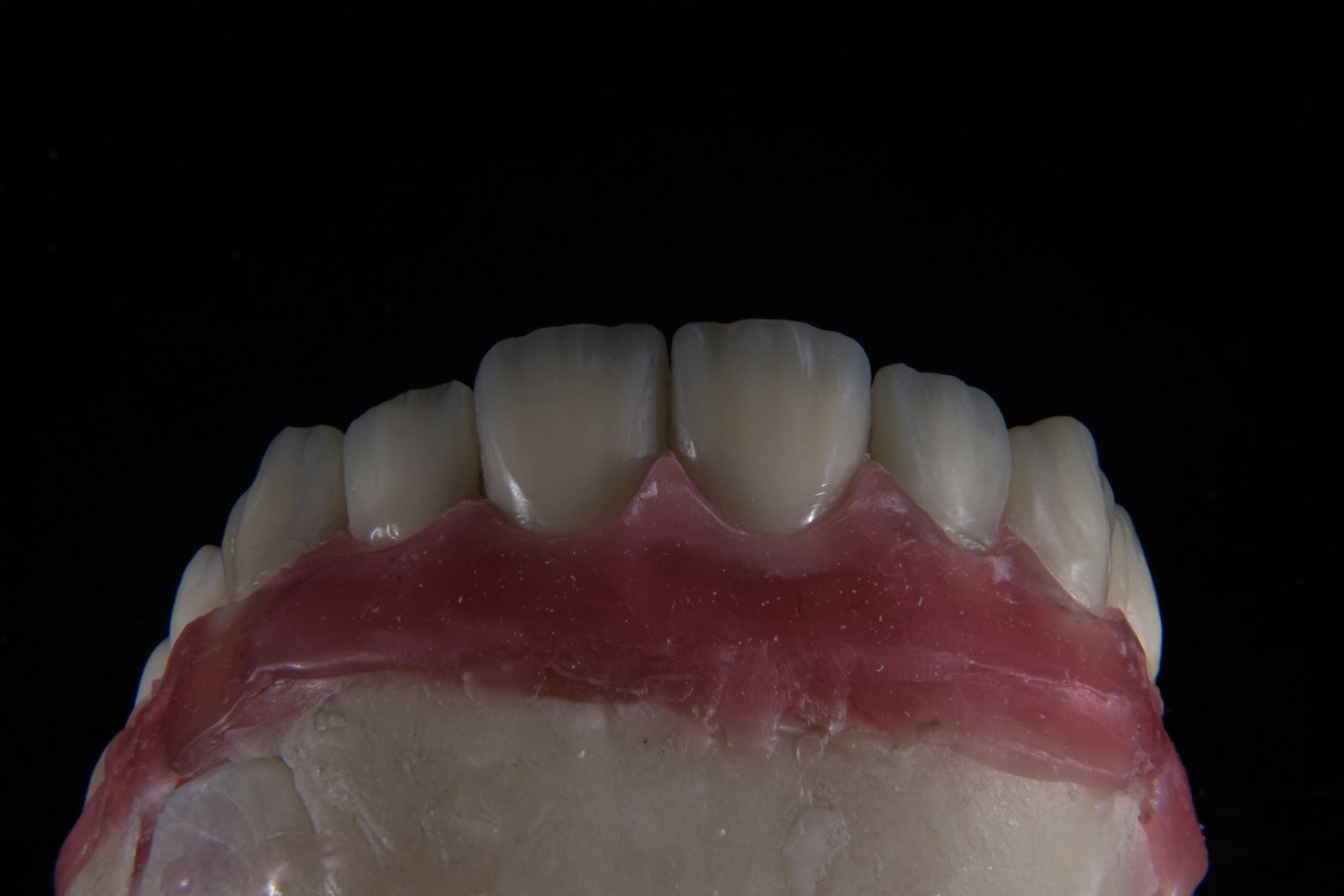
Before the crown, the tooth may have been fractured, worn, flattened, or shaped by an old restoration. The new crown restores contours that have been missing for months or years. Your tongue has memorized the previous shape, even if that shape was not healthy or functional. A smooth ceramic surface can also feel different from enamel, composite, or a provisional crown.
The mouth notices boundaries. A slightly different ridge on the tongue side, a new contact with the neighboring tooth, or a restored cusp can attract attention out of proportion to its size. That sensation may settle as the new shape becomes familiar. The crown still needs to be evaluated objectively, however, because the tongue can detect a real contour problem even when the change looks subtle.
Bulky, high, and rough are three different complaints
Patients often use the word big for several sensations. A crown that contacts first when you close may feel too tall or high. A crown with excess contour may feel too wide near the cheek, tongue, or gum. A rough margin, small piece of cement, or sharp transition may feel like an edge. The treatment for one is not automatically the treatment for another.
This distinction helps the dentist investigate efficiently. Try to describe whether the tooth feels different only when your tongue touches it, when you bite, when you slide your jaw, when you floss, or when food passes through the area. A precise description is often more useful than trying to decide whether the entire crown was made incorrectly.
A high bite usually announces itself during function
If the crowned tooth seems to hit before the others, feels sore when chewing, or develops pressure after meals, the bite deserves review. The dentist may use marking film, shim stock, visual examination, and your description to evaluate contacts during closure and jaw movement. An adjustment should be deliberate; removing ceramic simply because the tooth feels unfamiliar can create a different problem.
Pain on biting can also have causes beyond a high contact, including inflammation in the tooth, a crack, an endodontic problem, or tenderness in the supporting tissues. That is why a bite adjustment is not a complete diagnosis. If the tooth remains painful, the clinician may need additional tests or imaging rather than repeated polishing.
Contour affects the gum, floss, and food
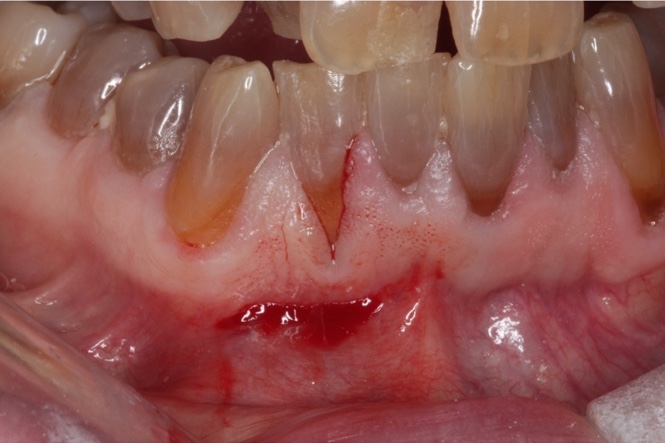
A crown must emerge from the gum in a shape that protects the tissue and can be cleaned. Too much fullness near the gum can make flossing difficult, encourage plaque retention, or leave the tissue sore. Too little or poorly placed contact with the neighboring tooth can allow food to pack into the space. An overhanging or rough margin may catch floss or irritate the area.
On the other hand, a crown may feel fuller because it is replacing a tooth that had collapsed around a large filling or worn down. A proper contact can feel tight at first without being harmful. The useful clues are whether floss passes with controlled resistance, whether it shreds or catches, whether food repeatedly packs into the same spot, and whether the gum becomes persistently red, swollen, tender, or prone to bleeding.
Speech and cheek biting offer different clues
Front and back teeth help shape the space available to the tongue and cheeks. A change on the tongue side of an upper front crown may affect certain speech sounds. A posterior crown with an unusual cheek-side contour or cusp relationship may contribute to cheek biting. These concerns should be demonstrated at the appointment rather than described only as cosmetic dissatisfaction.
A brief period of heightened awareness can occur after restorative treatment, especially when several teeth or a full arch have changed. Persistent speech difficulty, repeated cheek or tongue trauma, or an inability to find a comfortable bite deserves assessment. Adaptation should not require the patient to tolerate ongoing injury.
The provisional crown may explain what changed
If the final crown felt comfortable as a provisional but suddenly feels much larger, compare the two designs. The final material may have different thickness requirements, polish, contact, or anatomy. The provisional may also have been undercontoured or worn. Photographs, scans, models, and notes from the provisional phase can help determine whether the final crown intentionally restored missing form or departed from a tested shape.
For complex cases, provisionals are more than placeholders. They allow the patient and dentist to test contour, speech, esthetics, cleaning, and the bite. If a problem was present in the provisional and simply carried into the final restoration, adaptation is less likely to solve it. If the final crown is the first time the full contour has been tried, the feedback should be recorded carefully.
When to call instead of waiting
Contact the dental office if the crown feels loose, the bite is painful or clearly uneven, floss cannot pass or consistently shreds, food packs at every meal, the gum remains sore, the tooth becomes increasingly sensitive, or the crown repeatedly cuts the tongue or cheek. New swelling, fever, drainage, significant pain, or difficulty swallowing needs prompt attention.
Do not file, sand, or polish the crown yourself. Ceramic and other restorative materials can be damaged, and an at-home adjustment cannot evaluate the bite or underlying tooth. A small professional correction may be all that is needed, but it should be based on an examination.
What to say at the follow-up
It touches first when I close, or it only feels large when my tongue moves across it.
Floss will not pass, snaps painfully, shreds, or comes through with almost no resistance.
Food started collecting here after the crown was placed.
The gum, cheek, or tongue is being rubbed in one specific place.
The provisional felt different, and this is the exact change I notice.
Crown-contour evaluation in Belmont
Dental Restorative Group’s website lists crowns, bridges, restorative dentistry, dental implants, and planning for complex cases. Those services involve more than making a tooth look complete. The crown must relate to the neighboring teeth, gum, opposing bite, and the way the patient actually speaks and eats.
If a new crown looks fine but does not feel right, bring a specific description of when you notice it. Your tongue may simply be learning a restored shape, or it may be pointing to a contact, margin, contour, or bite that deserves attention. The most useful response is neither immediate panic nor endless patience. It is a careful check of what changed and whether the restoration is functioning as intended.
Frequently Asked Questions
Is it normal for a new crown to feel big?
Some heightened awareness can occur because the tooth’s shape and surface have changed. The sensation should be reviewed if it persists or is accompanied by pain, food trapping, floss problems, or tissue irritation.
How do I know if my crown is too high?
A high crown may seem to contact before other teeth or cause soreness when biting. A dentist must check the bite because pain on chewing can have other causes.
Can a bulky crown be adjusted?
Sometimes a small contour or bite adjustment is appropriate. The amount depends on the material, thickness, margin, esthetics, and cause of the problem. Some crowns need remaking rather than excessive reduction.
Should I file a rough crown at home?
No. Home filing can damage the crown and cannot determine whether the edge, cement, margin, or bite is responsible. Ask the dental office to evaluate and polish it safely.
Dental Restorative Group, 385 Concord Avenue, Suite 100, Belmont, MA 02478. Phone: 617-489-1470.
This article provides general educational information and does not replace an examination or individualized dental or medical advice. Diagnosis, timing, and treatment recommendations depend on the patient’s health and clinical findings.