Why the Bite Is So Important
When most people think about crowns, implants, or bridges, they picture how the restoration will look. But function is just as important. If your bite, meaning the way your upper and lower teeth fit together, is not balanced, even the most beautiful restoration can cause long-term problems.
An incorrect bite may lead to:
- Jaw pain or TMJ discomfort
- Headaches or muscle tension
- Fractured or worn teeth
- Loosened restorations
- Difficulty chewing comfortably
This is why bite precision is a top priority at Dental Restorative Group.
When Restorations Do Not Match the Bite
We often see patients who have had dental work done elsewhere, only to find that their new crown, bridge, or implant does not feel right. Sometimes their bite feels uneven, or they notice their teeth are hitting in the wrong place.
If the bite is not carefully considered, the restoration can place too much pressure on one area of the mouth. Over time, this may cause teeth to shift, restorations to break, or joints and muscles to become strained.
Correcting these issues requires both technical skill and an understanding of how teeth, jaws, and muscles all work together.
How We Evaluate Your Bite During Treatment
Bite evaluation is a central part of every restorative treatment we provide. Dr. Chang and Dr. Min take a systematic approach to ensure your bite is balanced and stable.
- Clinical examination: We look closely at how your teeth come together, checking for high spots, wear patterns, and signs of uneven pressure.
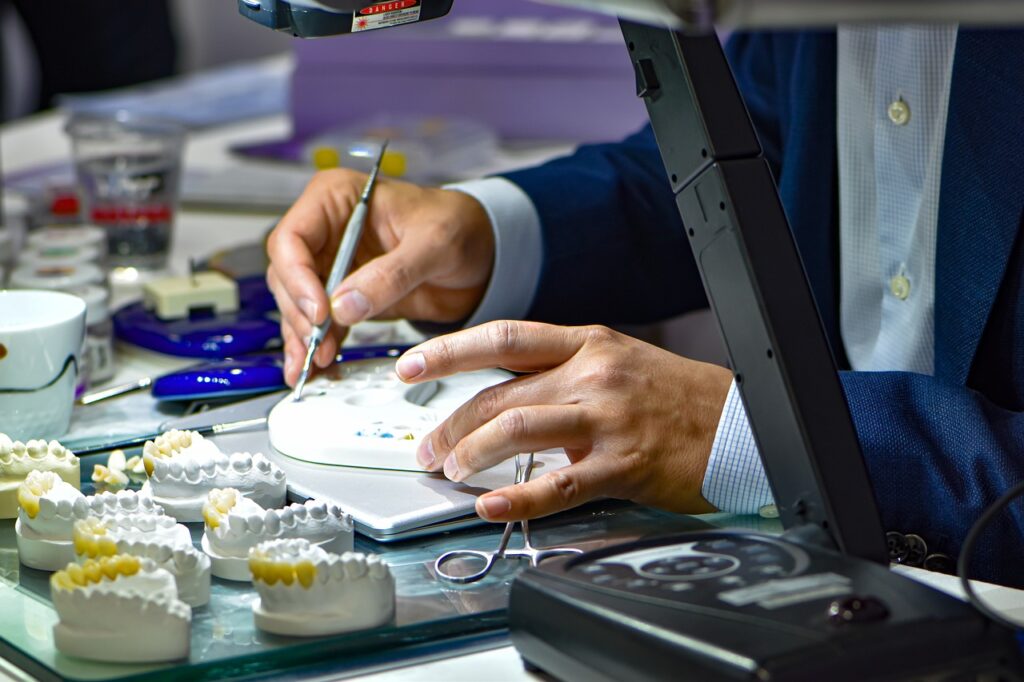
- Physical models: Impressions are used to create accurate models of your teeth, allowing us to study your bite from multiple angles.
- Adjustment during placement: Once a crown, implant, or bridge is placed, we make careful refinements so it feels natural immediately.
- Follow-up monitoring: Bite alignment can shift slightly as tissues heal. This is why we recheck your bite at follow-up visits to make sure everything remains comfortable.
This detailed process is part of why so many patients choose our office after experiencing problems elsewhere.
What Patients Notice When the Bite Is Correct
When your bite is properly aligned, dental work feels like a natural part of your smile. Patients often tell us:
- Their teeth feel balanced when chewing
- Headaches and jaw tension improve
- They no longer notice one tooth hitting harder than the rest
- Their crowns or implants feel comfortable, not bulky or uneven
In other words, the restoration blends seamlessly with the rest of their smile, both in appearance and in function.
Signs Your Bite May Be Off
Patients often wonder how to tell if their bite is the problem. Some signs are obvious, while others are more subtle. If you notice any of these, it may be related to bite alignment:
- Restorations that feel too high: A new crown, bridge, or implant that feels uneven may be interfering with your bite.
- Jaw soreness or stiffness: Many patients wake up with jaw tension from clenching or grinding against an imbalanced bite.
- Clicking or popping in the jaw joint: These sounds often indicate stress on the temporomandibular joint.
- Chipped or worn teeth: Uneven pressure can cause teeth to wear down or break earlier than expected.
- One side working harder than the other: If you find yourself chewing mostly on one side, it may be because your bite is uneven.
- Headaches linked to jaw position: Bite problems can radiate tension up through the jaw muscles, leading to headaches.
The sooner these signs are addressed, the easier they are to correct.
Balancing Aesthetics with Function
Many patients come to us for cosmetic changes, such as adjusting the size, shape, or look of their teeth. While we always listen to our patients’ goals and do our best to achieve the smile they want, we also know when certain requests would compromise their bite and long-term oral health.
This balance is critical. A restoration that looks perfect but disrupts the bite can cause more harm than good. At Dental Restorative Group, we believe in designing smiles that are not only beautiful but also healthy and functional. That means being honest with our patients. Sometimes the safest, healthiest answer is “we cannot do that.”
Patients trust us because they know our recommendations are not about shortcuts or trends, but about protecting their oral health for life while still giving them results they can feel proud of.
Long-Term Benefits of a Well-Aligned Bite
When restorations are designed with both beauty and bite in mind, patients enjoy benefits that go far beyond comfort:
- Protects natural teeth: Even pressure reduces the risk of chips, cracks, and premature wear.
- Preserves restorations: Crowns, bridges, and implants last longer when bite forces are evenly distributed.
- Prevents TMJ strain: A balanced bite keeps jaw joints healthy and reduces the risk of long-term discomfort.
- Supports overall health: Patients with a stable bite often experience fewer headaches and less facial tension.
- Saves money in the long run: Correcting bite issues early prevents the need for costly retreatment or replacement later.
These benefits show why our team pays such close attention to bite alignment at every stage of treatment.
Why Our Patients Trust Us with Complex Bite Cases
Dr. Chang’s dual training as a prosthodontist and oral surgeon allows him to approach each case with both surgical precision and restorative artistry. Along with Dr. Min, our team frequently treats patients referred by other providers who could not resolve bite-related problems.
By looking at the whole picture, including teeth, joints, muscles, and function, we provide care that protects your oral health for the long term.
FAQs About Bite Alignment and Restorations
- What happens if my bite is not aligned after a crown or implant?
An uneven bite can cause jaw pain, headaches, or premature wear on your teeth and restorations. It is important to have this corrected quickly.
- Can a bad bite damage my implant?
Yes. If too much pressure is placed on an implant due to a misaligned bite, it may loosen or fail over time.
- How do you check my bite?
We use a combination of diagnostic imaging, physical models, and careful evaluation in the chair. We also make small adjustments during your appointment until your teeth come together evenly.
- Can you fix bite problems caused by another dentist?
In many cases, yes. We frequently see patients who need bite adjustments or new restorations after work done elsewhere.
- Will correcting my bite take a long time?
It depends on the issue. Some cases can be corrected with simple adjustments, while others may require new restorations designed with proper alignment.
- Can my bite change over time?
Yes. Teeth can shift, and habits like grinding or clenching can alter the bite. That is why regular check-ups are important, even after treatment.
- What role does stress play in bite problems?
Stress can lead to clenching and grinding, which place extra pressure on teeth and joints. A balanced bite helps reduce the damage caused by these habits.
- Do you see patients from outside Belmont and Cambridge for bite issues?
Yes. Many patients travel to our office from Boston and even from out of state because of our expertise in complex restorative care.
Related Reading
- When Your Bite Feels Off: Understanding Occlusion and How to Fix It
- How to Make Your Dental Restorations Last for Years
- When Your Dental Needs Are Complex, the Plan Matters as Much as the Treatment
Frequently Asked Questions
Why does my new crown feel too high?
A restoration that feels too high may be interfering with your bite. When the bite is not carefully considered, the restoration can place too much pressure on one area of the mouth. Over time this may cause teeth to shift, restorations to break, or joints and muscles to become strained.
What are the signs that my bite is off?
Common signs include restorations that feel too high, jaw soreness or stiffness, clicking or popping in the jaw joint, chipped or worn teeth, chewing mostly on one side, and headaches linked to jaw position. The sooner these signs are addressed, the easier they are to correct.
Can a bad bite damage my dental implant?
Yes. If too much pressure is placed on an implant because of a misaligned bite, it may loosen or fail over time. This is why bite evaluation is a central part of every restorative treatment provided at Dental Restorative Group.
How do you check my bite during treatment?
Bite evaluation includes a clinical examination for high spots and wear patterns, physical models made from impressions, careful adjustment once the crown, implant, or bridge is placed, and follow-up monitoring, because bite alignment can shift slightly as tissues heal.
Can bite problems caused by another dentist be corrected?
In many cases, yes. The practice frequently sees patients who need bite adjustments or new restorations after work done elsewhere. Some cases can be corrected with simple adjustments, while others may require new restorations designed with proper alignment from the start.
Can my bite change over time?
Yes. Teeth can shift, and habits like grinding or clenching can alter the bite. Stress can also lead to clenching and grinding, which places extra pressure on teeth and joints. That is why regular check-ups remain important even after treatment is finished.