A dental implant may look like one tooth, but it is a system. The implant sits in bone, an abutment connects to it, and a crown, bridge, or denture provides the visible chewing surface. The surrounding gum tissue, bone, bite, and hygiene access all influence how that system performs.
When something feels wrong, the implant itself is not always the problem. A loose screw, fractured restoration, inflamed tissue, difficult-to-clean contour, or uneven bite can create symptoms that feel similar to a patient. A careful second opinion begins by identifying which part of the system is involved before discussing replacement.
Reasons patients seek an implant second opinion
Some concerns begin soon after treatment; others develop years later. A second opinion may be useful when a patient has persistent uncertainty, does not understand the proposed solution, or is being advised to repeat major treatment.
- An implant crown or bridge feels loose, clicks, or moves
- The bite feels high, uneven, or different from before
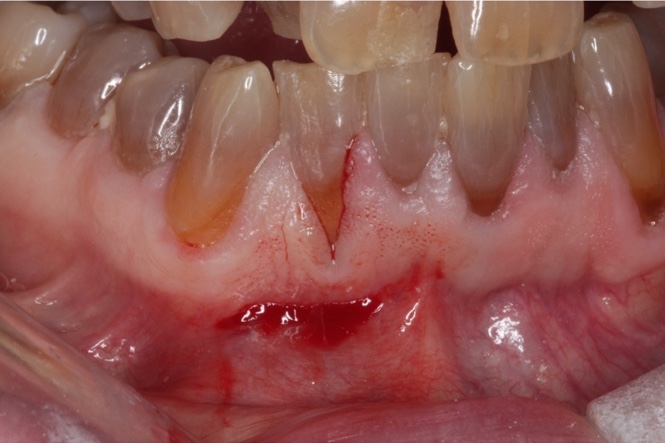
- The gum around an implant is red, tender, swollen, or bleeds during cleaning
- Food consistently collects beneath or beside the restoration
- A crown has chipped, fractured, or changed in appearance
- The restoration is difficult to clean or has a persistent odor or taste
- Pain, pressure, or discomfort does not improve as expected
- You have been told that an implant or full-arch restoration must be removed and want to understand the alternatives
New swelling, drainage, significant pain, or implant mobility should not wait for a routine future appointment. Contact a dental professional promptly. If swelling affects breathing or swallowing, seek emergency medical care.
First question: which component is involved?
The American College of Prosthodontists describes an implant-supported tooth as three main parts: the implant, the abutment, and the artificial tooth. That distinction matters because problems at each level may require different solutions.
The restoration
The visible crown, bridge, or denture may chip, wear, loosen, or become difficult to clean. Its shape can also affect the bite, speech, appearance, and access for hygiene. A restoration problem does not automatically mean the implant in the bone has failed.
The connection
Screws and abutments connect the restoration to the implant. A loose or damaged component can sometimes create movement or clicking. The dentist must determine whether the restoration can be removed safely, whether parts are compatible, and whether the underlying implant remains healthy.
The tissues and bone
The American Academy of Periodontology notes that red or tender gums and bleeding around implants can be signs of peri-implant disease. Inflammation limited to the soft tissue is different from peri-implantitis, which involves progressive loss of supporting bone. Examination and appropriate imaging are needed to distinguish them.
The implant
An implant may lose integration, fracture, be positioned in a way that complicates restoration, or lack the surrounding tissue needed for predictable maintenance. These issues are not diagnosed from symptoms alone.
What a comprehensive second opinion may include
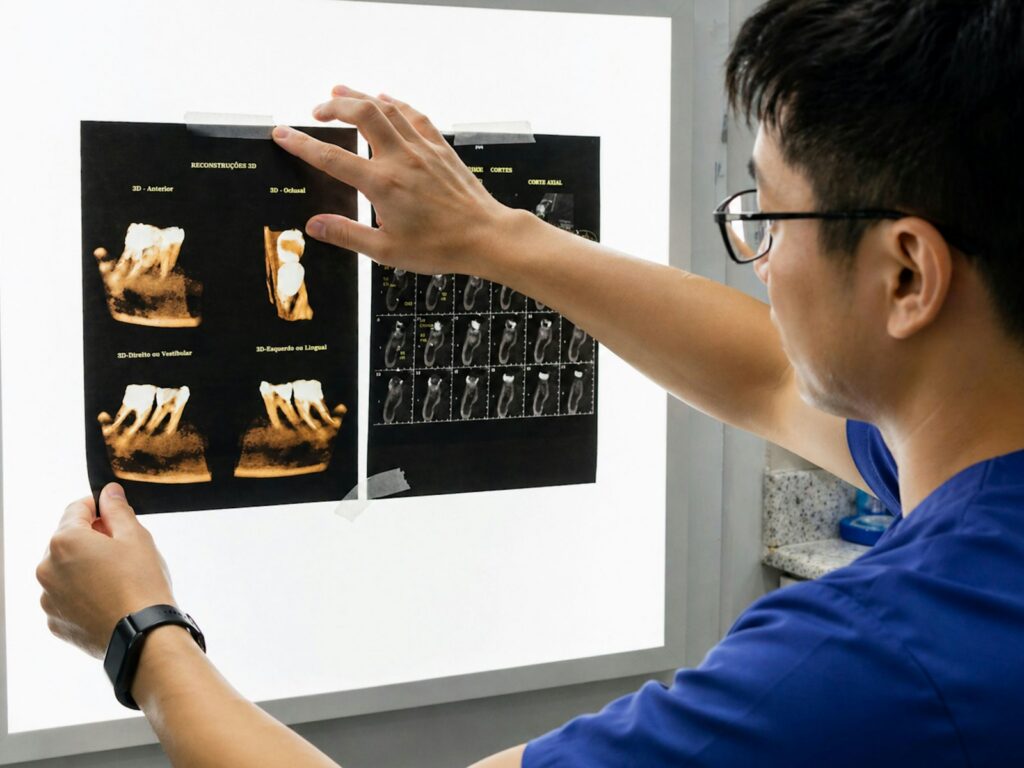
A second-opinion appointment should do more than take a new X-ray and offer a quick verdict. The dentist may review the original treatment history, implant brand and component information, prior images, changes over time, medical factors, hygiene, gum health, bone levels, the stability of each component, and the way the teeth meet.
For a single implant, the question may be focused: can the crown or connecting component be repaired or replaced while preserving the implant? For a full-arch bridge, the dentist may also evaluate the distribution of support, the bite, access for cleaning, material thickness, the shape of the prosthesis, and whether one local problem affects the entire restoration.
Why the bite and restoration design deserve attention
Implants do not have the same ligament system as natural teeth, so the way forces are distributed across an implant restoration deserves careful evaluation. A crown can look attractive while contacting too heavily, and a bridge can feel stable while its contours make cleaning difficult. Wear marks, fractured material, loosened components, and changes in the way the teeth meet can provide clues, but they do not establish the diagnosis by themselves.
The second-opinion dentist may therefore look beyond the painful or loose area. Adjacent teeth, opposing teeth, jaw movement, nighttime grinding, the number and position of implants, and the restoration’s design can all influence the plan. Treating only the visible damage without understanding the forces behind it may leave the same vulnerability in place.

Bring the history with you
Implant treatment is easier to evaluate when records are complete. If possible, request the implant manufacturer, model, diameter, and length; the date and location of placement; operative notes; previous X-rays or scans; and information about the restoration and screws. Not every patient can obtain all of these records, but any detail may help identify compatible parts and understand how the condition changed.
Also bring a medication list and relevant medical history. Gum health, plaque control, smoking, diabetes, a previous history of periodontal disease, and other individual factors can affect risk and maintenance. These details should inform the plan without being used to blame the patient.
A second opinion does not always mean starting over
Patients sometimes arrive expecting only two possibilities: accept the problem or remove everything. Complex implant care is often more nuanced. Depending on the diagnosis, options may include cleaning and maintenance changes, adjusting the bite, repairing or remaking the restoration, replacing a worn component, treating the surrounding tissues, monitoring a stable finding, or removing an implant that cannot be maintained.
The appropriate choice depends on the cause, the condition of the other teeth and implants, the patient’s health, and the risks of intervention. Preserving existing work is valuable only when it can be done responsibly. Replacing it is worthwhile only when the reason for the original problem has been understood.
Questions to ask at the consultation
- Is the condition urgent, progressive, or reasonable to monitor?
- Can the restoration be removed without damaging the implant?
- Which options preserve existing work, and what are their limitations?
- If retreatment is recommended, how will the new plan address the original cause?
- What maintenance will be required after treatment?
Implant-complication consultations in Belmont
Dental Restorative Group’s consultation services include dental implants, implant complications, crown-related complications, full-mouth reconstruction, and comprehensive planning for complex cases. The Belmont office serves patients from Cambridge, Boston, surrounding communities, and beyond.
If an implant or implant restoration does not feel right, bring your questions and any records you can obtain. The purpose of a second opinion is not to criticize earlier care. It is to define the current condition clearly enough that you can make an informed decision about what comes next.
Frequently Asked Questions
Does a loose implant crown mean the implant has failed?
Not necessarily. Movement can come from the crown, screw, abutment, or implant itself. A clinical examination is needed to identify the source.
What records should I bring for an implant second opinion?
Bring prior X-rays or scans, operative notes, the implant brand and component information if available, the treatment timeline, and a current medication and medical-history list.
Can an implant restoration be repaired without removing the implant?
Sometimes. The answer depends on the health and position of the implant, the condition of its components and surrounding tissues, and whether compatible parts are available.
What are signs of inflammation around an implant?
Redness, tenderness, swelling, or bleeding during cleaning can indicate inflammation and should be evaluated. Diagnosis may require probing, imaging, and comparison with earlier records.
Dental Restorative Group, 385 Concord Avenue, Suite 100, Belmont, MA 02478. Phone: 617-489-1470.
This article provides general educational information. Decisions regarding replacement of a missing tooth depend on individual oral health, anatomy, function, restorative history, and treatment goals.