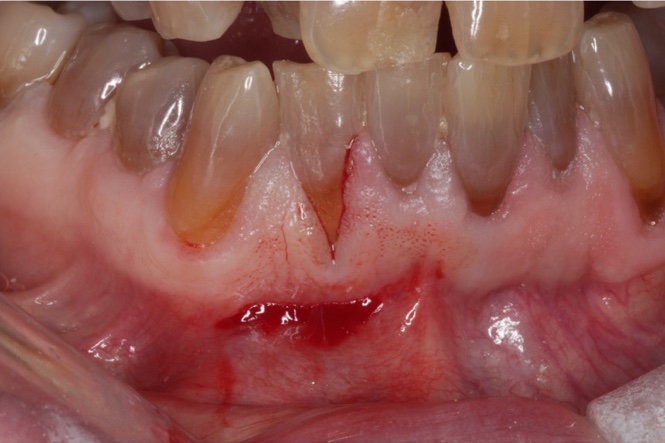
You were not chewing ice or biting hard candy. Maybe it was bread, pasta, or a sandwich. Then you felt a sharp edge or a piece of tooth in your mouth and wondered how something so soft could break a tooth.
The last bite is not always the cause. It may simply be the moment a tooth with an older filling, hidden decay, a developing crack, repeated bite stress, or substantial previous treatment finally reaches its limit.

Reasons a Tooth May Break During an Ordinary Meal
Two teeth can look similar from the outside and have very different structural histories.
- A large or aging filling leaves less natural tooth structure.
- A crack has been flexing under repeated chewing force.
- Decay has weakened tooth structure around a restoration.
- A crown, filling, or bonded restoration has fractured or loosened.
- Clenching or grinding repeatedly concentrates force.
- The bite directs heavier pressure to that tooth.
Severe pain, facial swelling, significant bleeding, trauma, or a very mobile tooth deserves prompt dental attention. Even without pain, a broken tooth should be evaluated.
First Question: What Actually Broke?
The phrase “broken tooth” can describe several different problems, and each may lead to a different plan.
The restoration. A filling, crown, or bonded material may chip, loosen, or separate while the underlying tooth remains partly intact.
A cusp or outer wall. Part of a molar may fracture away from an older filling or from the remaining natural tooth.
A deeper crack. A crack may extend toward the pulp or below the gumline and may not be visible in a photograph.
The root. A root fracture is a different restorative problem and may produce few obvious symptoms at first.
What a Comprehensive Broken-Tooth Evaluation May Include
The dentist may review when the fracture occurred, whether the tooth had previous fillings, crowns, or root canal treatment, and whether there was earlier sensitivity or discomfort when biting. The examination may include the remaining tooth structure, restoration margins, gum and bone conditions, bite testing, and dental imaging when appropriate.
For a patient with several crowns, bridges, implants, worn teeth, or repeated fractures, the evaluation may extend beyond the newest break to understand whether the tooth is part of a larger mechanical or restorative pattern.
Why the Bite and Restorative History Deserve Attention
A heavily restored tooth may respond to biting forces differently from a tooth that has never had significant treatment. Some cracks cause sensitivity; others remain relatively quiet until a piece moves or fractures.
A new restoration must also work beside neighboring teeth and meet the opposing teeth comfortably. Repairing the visible damage without considering the forces behind it may leave the same vulnerability in place.
Bring the Tooth’s History With You
If possible, bring earlier X-rays and the approximate dates of major fillings, crowns, or root canal treatment on the tooth. Mention any earlier pain with chewing, temperature sensitivity, looseness, or episodes when the bite felt different. Save the broken fragment if it is easy to do so, keep it clean, and bring it to the appointment.
For a mouth with several restorations, also mention previous fractures, nighttime grinding, use of a night guard, missing teeth, and changes to the bite. Not every patient has complete records, but a useful timeline can help show whether this was an isolated fracture or part of a repeated pattern.
A Broken Tooth Does Not Always Mean Starting Over
Depending on the diagnosis, treatment may involve a filling, partial-coverage restoration, crown, root canal treatment when the pulp is irreversibly inflamed or infected, or extraction when the tooth cannot be predictably restored.
The largest treatment is not automatically the best one. Preserving the tooth is valuable only when the remaining structure can responsibly support the proposed restoration. Removing it is appropriate only when the risks, alternatives, and larger restorative plan have been considered.
Questions to Ask at the Evaluation
- Did the natural tooth break, or did an existing restoration fail?
- How much healthy tooth structure remains?
- Does the crack extend below the gumline or toward the root?
- Can the tooth be restored predictably, and what are the limitations?
- Does my bite or restorative history affect the recommendation?
Broken-Tooth Evaluations in Belmont
Dental Restorative Group provides restorative and prosthodontic care for damaged teeth and complex cases for patients from Belmont, Cambridge, Boston, and surrounding communities.
The most useful question is rarely, “What food caused this?” It is what changed in the tooth that allowed an ordinary bite to become the final one—and how the next restoration should fit the rest of the mouth.
A careful evaluation should explain not only how the tooth can be repaired, but whether that repair is a dependable part of the larger bite.
Frequently Asked Questions
Does a broken tooth always need a crown?
No. Treatment depends on what broke, where the fracture occurred, how much healthy tooth remains, and other clinical findings.
Can a tooth break without hurting first?
Yes. Some cracks cause symptoms, while others remain relatively quiet until part of the tooth or restoration fractures.
Can a broken tooth still be saved?
Many fractured teeth can be restored, but not every fracture is treatable. The location, depth, root condition, and remaining structure are important.
Is a broken tooth an emergency?
Severe pain, swelling, significant trauma, bleeding, or mobility deserves prompt attention. Even without those symptoms, arrange an evaluation to determine the extent of the damage.
Dental Restorative Group, 385 Concord Avenue, Suite 100, Belmont, MA 02478. Phone: 617-489-1470.
This article provides general educational information. A fractured tooth requires an individual clinical examination to determine the diagnosis and appropriate treatment.