A missing back molar can be easy to ignore. Nobody sees the space when you speak, you may still be able to eat, and nothing necessarily hurts.
But a missing tooth is not only an empty space. Its importance depends on the teeth that remain, the opposing arch, the bite, and existing restorations. The question is what replacing this particular tooth would accomplish for you.

Reasons Patients Ask Whether a Missing Molar Needs Replacement
The question often comes up when a patient is functioning reasonably well but is unsure what waiting may mean. It is important to evaluate the long-term impact on your oral health.
- You can chew, but you favor the opposite side.
- The space has been present for years without obvious pain.
- A neighboring tooth already has a large filling or crown.
- The opposing tooth has begun to feel different.
- You have several missing teeth, bridges, implants, or significant wear.
- You have received different recommendations about an implant or bridge.
New pain, swelling, or a recently fractured tooth near the space deserves prompt evaluation. Do not wait for a routine future visit if you experience these symptoms.
First Question: What Role Did That Tooth Play?
A missing molar should be evaluated as part of a system, not as an isolated hole. Its role in your bite affects the health of your entire mouth.
- Chewing support. Replacing the tooth may restore support and reduce the need to rely on the opposite side.
- The opposing tooth. The dentist evaluates whether the tooth that used to bite against the missing molar has shifted. This prevents further misalignment.
- Neighboring teeth. Their health and position influence available options. Stable adjacent teeth are crucial for long-term restorative success.
- The larger restorative picture. One missing molar differs in a mouth with stable teeth versus one with extensive crowns or wear. Comprehensive planning is essential.
What a Comprehensive Missing-Tooth Evaluation May Include
An evaluation includes the condition of neighboring teeth, gum health, and imaging. The dentist also considers your chewing habits and restorative history.
We determine whether an implant or bridge is the most predictable solution. Monitoring may also be a reasonable path depending on your priorities.
Why the Bite and Restorative History Deserve Attention
Patients often adapt by chewing exclusively on one side. This compensation is useful information that helps us understand your unique functional needs.
A replacement must work seamlessly beside your natural teeth and existing restorations. We ensure the new tooth meets the opposing teeth comfortably for lasting results.
Bring the Restorative History With You
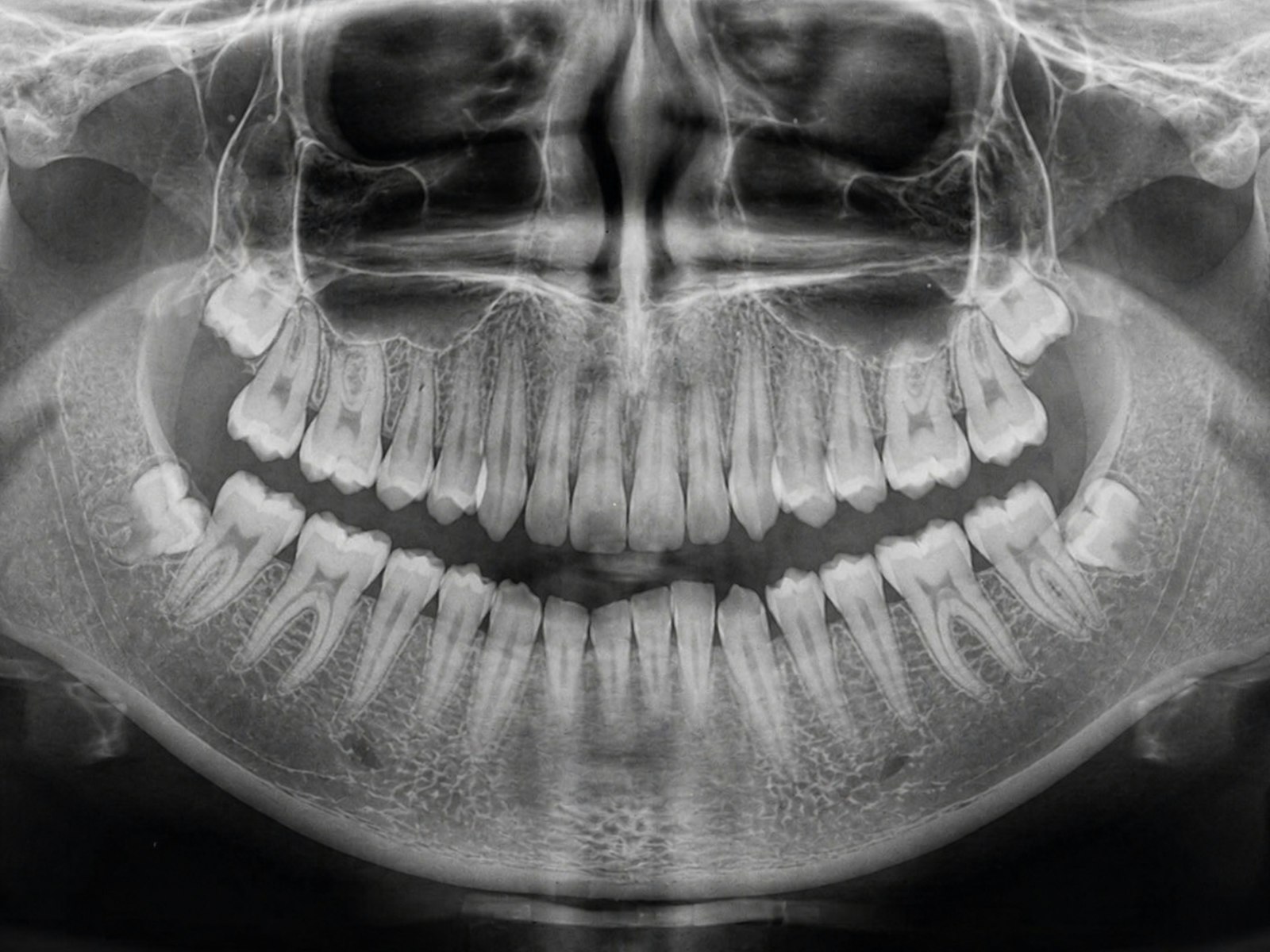
Please bring earlier X-rays and information about when the tooth was removed. Details about prior infections or bone grafting are also very helpful.
Mention any history of gum disease or teeth grinding. A complete timeline helps us distinguish a straightforward decision from a complex restorative plan.
Monitoring Does Not Mean Forgetting the Space
Choosing not to replace a molar immediately can be a thoughtful plan. It must include periodic evaluation of your remaining teeth and bite comfort.
Waiting is still a decision as tissues and neighboring teeth can change. Future treatment might involve different circumstances than those present today.
Questions to Ask at the Consultation
- What benefit would replacing this tooth provide in my mouth?
- Is monitoring reasonable, and what changes should we watch for?
- How do an implant and bridge differ in this situation?
- How would each option affect the neighboring and opposing teeth?
- Does my bite or restorative history change the recommendation?
Missing-Tooth Consultations in Belmont
Dental Restorative Group provides specialized restorative care for patients with missing teeth. The practice serves Belmont, Cambridge, Boston, and surrounding communities.
Our goal is to support your larger restorative picture through informed choices. We decide together whether replacement or monitoring is best for you.
A thoughtful consultation explains why a choice serves your whole mouth. We prioritize functional success and individual health goals.
Frequently Asked Questions
Does every missing molar need a dental implant?
No. While implants are appropriate for many, the decision to replace a missing molar should always be individualized. We evaluate your unique bite and dental health before making a recommendation.
Can I chew normally without one back tooth?
Some people function comfortably, while others favor one side significantly. The health and stability of your remaining teeth play a major role in your chewing efficiency.
Is a bridge an alternative to an implant?
In many situations, yes. Bridges and implants have different requirements and benefits that we discuss during your consultation. We help you choose the option that fits your anatomy best.
Can my dentist monitor the space?
In selected patients, monitoring is a reasonable path. An examination determines whether this strategy aligns with your long-term restorative plan and oral health.
Dental Restorative Group, 385 Concord Avenue, Suite 100, Belmont, MA 02478. Phone: 617-489-1470.
This article provides general educational information. Decisions regarding replacement of a missing tooth depend on individual oral health, anatomy, function, restorative history, and treatment goals.