A Modern, Seamless Approach to Tooth Extraction and Dental Implant Placement
Losing a tooth can feel overwhelming. Thanks to advanced dental technology, you no longer need to wait months between extraction and implant placement. At Dental Restorative Group, we often perform both procedures in a single visit.
Dr. John Chang, a dual-trained prosthodontist and oral surgeon, works closely with Dr. Min Jeong to provide patients with fully integrated care from start to finish. This unique combination of surgical and restorative expertise ensures predictable outcomes, natural aesthetics, and lasting function.
Here is what you can expect if you are scheduled for a tooth extraction and dental implant in Belmont or Cambridge.
Before Your Procedure
Every treatment begins with a comprehensive exam and imaging so we can carefully plan your care.
- Digital X-rays are often used for routine cases.
- Cone-beam CT scans may be recommended for more complex cases, such as evaluating bone quality or planning for a sinus lift.
Dr. Chang will explain why immediate implant placement is often beneficial. This approach preserves bone, reduces the number of surgeries, and shortens the overall treatment timeline.
Why Immediate Implant Placement Can Be Beneficial
In many cases, placing the implant at the same appointment as the extraction provides advantages such as:
- Preserving bone volume by stimulating the jaw right away
- Reducing the need for additional surgeries later
- Shortening the total treatment timeline
- Decreasing the number of appointments and anesthesia sessions
- Supporting a smoother overall healing process
While not every patient is a candidate, many benefit from this streamlined approach.
Keeping You Comfortable
Your comfort is always our priority. We use local anesthesia to completely numb the area so you do not feel pain during your procedure.
For patients who experience anxiety, Dr. Chang or your primary care physician may prescribe a mild oral medication to take beforehand. In that case, you will need a trusted friend or family member to drive you to and from the office.
We do not rely on heavy sedation. Instead, we focus on safe, straightforward methods that keep you comfortable while allowing you to recover quickly. Most patients find that over-the-counter medications such as ibuprofen or acetaminophen are all they need afterward, along with antibiotics when appropriate.
Day of Surgery
Here is what typically happens during your appointment:
- Local anesthesia ensures complete comfort throughout the procedure.
- Gentle extraction of the tooth is performed with care to preserve as much bone as possible.
- Dental implant placement immediately follows, with a titanium implant post placed into the jawbone. Dr. Chang positions the implant with the final restoration in mind, ensuring both function and appearance.
- Bone grafting if needed provides additional support for the implant in cases where bone quality requires reinforcement.
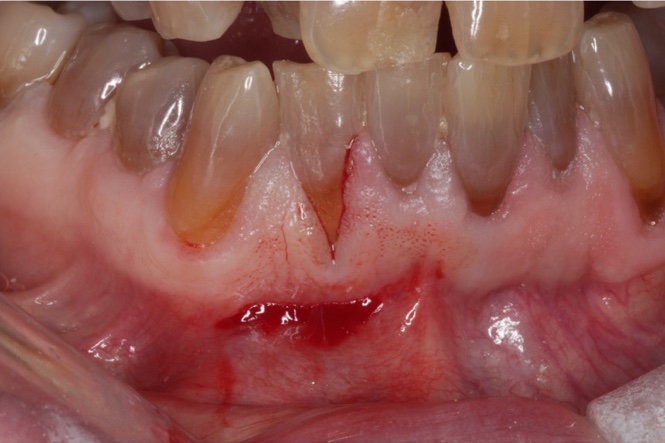
- Sutures and healing cap are placed to close the site and guide soft tissue healing.
Many patients are surprised at how efficient the process is. By combining extraction and implant placement into a single visit, treatment time is reduced, and patients avoid multiple rounds of anesthesia.
The First 24 Hours After Surgery
Healing begins immediately after the procedure. During the first day, you can expect:
- Mild bleeding and swelling: Light oozing is normal. Bite on gauze as directed. Swelling typically peaks within 48 hours. Apply ice packs to the cheek in short intervals to reduce discomfort.
- Diet adjustments: Stick to soft, cool foods such as smoothies, yogurt, mashed potatoes, or broths. Avoid hot liquids, alcohol, carbonated drinks, and using a straw.
- Medication: Take ibuprofen or acetaminophen as recommended. Antibiotics may also be prescribed to reduce the risk of infection.
- Rest: Limit physical activity and keep your head slightly elevated to minimize swelling.
Recovery During the First Week
Most patients notice a significant improvement in comfort after the first two days. Swelling often improves by day five to seven.
- Oral hygiene: Rinse gently with warm salt water during the first few days. After day four, you may carefully brush near the surgical site with a very soft toothbrush.
- Sutures: Dissolvable sutures are commonly used, but we will let you know if a follow-up appointment is needed for removal.
- Check-up: A post-op visit is usually scheduled about one week later so we can monitor healing and ensure the site is progressing as expected.
Long-Term Healing and Final Restoration
The implant will take several months, usually between three and six, to fully integrate with your jawbone. This process, called osseointegration, is essential for long-term success.
During this time, it is important to:
- Maintain excellent oral hygiene
- Keep up with scheduled cleanings and check-ups
- Contact our office if you experience unusual swelling, discomfort, or changes at the site
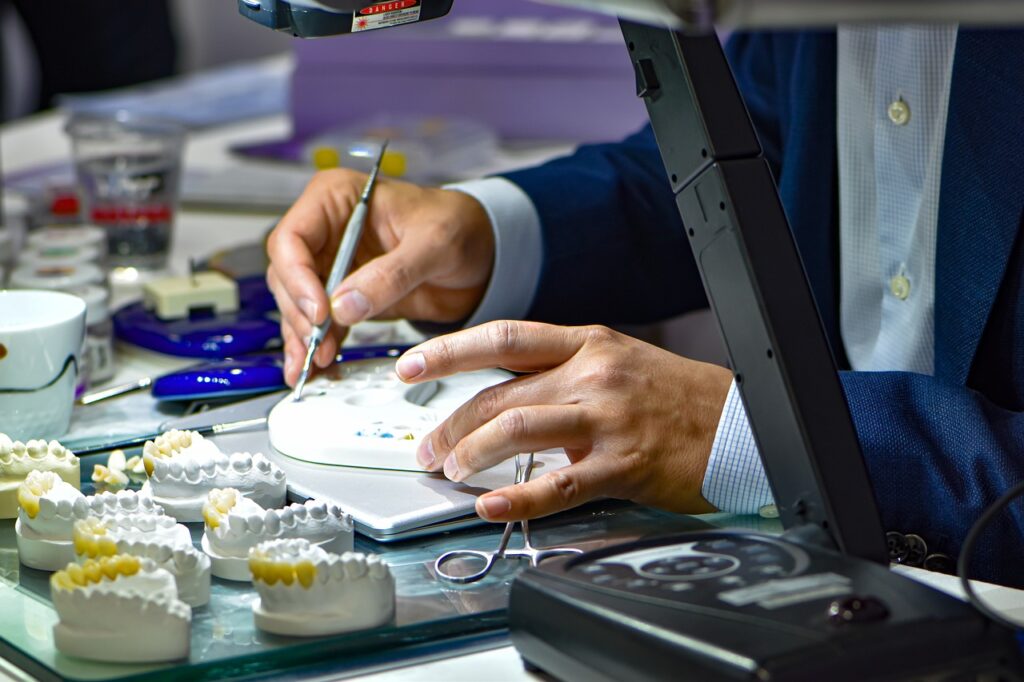
Once healing is complete, Dr. Min designs and places your custom restoration. Whether it is a crown, bridge, or All-on-4 prosthesis, each restoration is handcrafted in collaboration with trusted dental laboratories for a precise fit and natural appearance.
Why Comprehensive Care Matters
At Dental Restorative Group, you do not need to visit multiple specialists. Our team combines surgical and restorative expertise in one location, which means:
- Treatment is streamlined and coordinated
- Implants are placed with the final restoration in mind
- Restorations look and function like natural teeth
- Patients experience a smoother, more convenient process
From your first exam to your final restoration, our team is with you every step of the way.
FAQs About Tooth Extraction and Dental Implants in Belmont & Cambridge
- How long does the procedure usually take?
Most single-tooth extractions with implant placement take about one hour, although this varies depending on the case.
- Is the procedure painful?
No. Local anesthesia ensures you remain comfortable throughout. Mild soreness afterward is normal and usually managed with over-the-counter medication.
- Can everyone get an implant immediately after extraction?
Not in every case. If there is significant infection or very limited bone quality, we may recommend healing or grafting before placing the implant.
- When can I return to normal eating?
Soft foods are recommended for the first few days. As healing progresses, you can gradually return to your regular diet.
- What is the success rate of dental implants?
When placed by experienced specialists and maintained with good oral hygiene, dental implants have a success rate of more than 95 percent.
- Will I need bone grafting?
Many patients do. In fact, bone grafting is a common step that supports long-term stability, and Dr. Chang will determine if it is necessary during your procedure.
- Do you see patients from outside Belmont and Cambridge?
Yes. While many of our patients are local, we also see patients who travel from Boston, other states, and internationally for our comprehensive implant care.
- Why choose Dental Restorative Group?
Because our team provides both surgical and restorative expertise. Dr. Chang and Dr. Min coordinate every stage of treatment to ensure that your implant is placed in the ideal position and restored for long-term success.
Related Reading
- How Long Is the Complete Dental Implant Process?
- Dr. John Chang Lectures on Immediate Loading for Full-Mouth Rehabilitation in Seoul
- Diet Tips While Recovering from Dental Implant Surgery
Frequently Asked Questions
Can I get a dental implant the same day as my tooth extraction?
In many cases, yes. At Dental Restorative Group, extraction and implant placement are often performed in a single visit. Immediate placement can preserve bone volume, reduce the number of surgeries, and shorten the treatment timeline. Not every patient is a candidate, especially with significant infection or very limited bone.
How long does a tooth extraction with implant placement take?
Most single-tooth extractions with implant placement take about one hour, although this varies depending on the case. Combining both procedures into one appointment reduces total treatment time and avoids multiple rounds of anesthesia. Dr. Chang positions the implant with the final restoration in mind.
How is discomfort managed during and after implant surgery?
Local anesthesia is used to numb the area during the procedure. Afterward, most patients find over-the-counter medications such as ibuprofen or acetaminophen are all they need, along with antibiotics when appropriate. Patients with anxiety may be prescribed a mild oral medication and will need someone to drive them.
What can I eat after tooth extraction and implant surgery?
During the first day, stick to soft, cool foods such as smoothies, yogurt, mashed potatoes, or broths. Avoid hot liquids, alcohol, carbonated drinks, and using a straw. Soft foods are recommended for the first few days, and you can gradually return to your regular diet as healing progresses.
How long does a dental implant take to heal?
The implant usually takes three to six months to fully integrate with your jawbone, a process called osseointegration. During this time, maintain excellent oral hygiene, keep up with scheduled cleanings, and contact the office if you notice unusual swelling, discomfort, or changes at the site.
Will I need bone grafting with my dental implant?
Many patients do. Bone grafting is a common step that supports long-term stability by reinforcing the site in cases where bone quality needs additional support. Dr. Chang will determine whether it is necessary during your procedure, using imaging such as a cone-beam CT scan when needed.