When people want to improve the look of their smile, three options come up again and again: bonding, veneers, and crowns. All three can transform how teeth look, but they work in different ways, use different amounts of your natural tooth, and last for different lengths of time. Choosing well means matching the treatment to the problem.
The right choice depends on what you are trying to fix, how much of the tooth is involved, your budget, and how long you want the result to last. Here is an honest comparison of how bonding, veneers, and crowns differ.
Dental Bonding: The Most Conservative Option
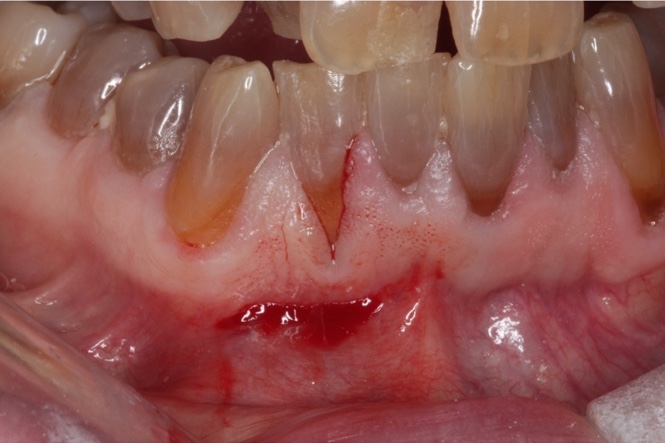
Dental bonding uses a tooth-colored composite resin that is applied directly to the tooth, shaped, and hardened, usually in a single visit. It is excellent for small fixes: chips, minor gaps, small shape changes, or a single discolored tooth. It removes little or no natural tooth structure, which makes it the most conservative and often the most affordable choice.
The trade-off is durability and stain resistance. Composite is strong but not as hard as porcelain, so bonding is more prone to chipping and staining over time and typically needs refreshing sooner. For the right, limited problem, though, it is a quick and minimally invasive solution.

Veneers: Reshaping the Front of the Smile
Veneers are thin shells, usually of porcelain, bonded to the front surfaces of teeth. They are a cosmetic solution for the visible smile, able to change the color, shape, size, and alignment of several teeth at once with a very natural, stain-resistant result. For a full smile makeover, veneers are often the centerpiece.
Because a thin layer of enamel is usually removed to make room for them, veneers involve more tooth preparation than bonding, though far less than a crown. They are an investment, but a well-made set of porcelain veneers looks natural and can last many years.
Crowns: Full Coverage and Strength
A crown covers the entire tooth, not just the front. That makes it the right choice when a tooth needs strength as well as beauty, for example a tooth that is heavily filled, cracked, root-canal-treated, or significantly damaged. A crown restores function and protects the tooth while also improving its appearance.
Crowns require the most tooth preparation of the three, because the whole tooth is reshaped to receive the cap. The upside is durability and protection: when a tooth needs comprehensive coverage, a crown does a job that bonding and veneers cannot.
How They Compare
| Bonding | Veneers | Crowns | |
|---|---|---|---|
| Covers | A small area | The front of the tooth | The entire tooth |
| Tooth removed | Little to none | A thin layer of enamel | The most |
| Best for | Minor chips, gaps, small fixes | Cosmetic makeover of the smile | Damaged or weak teeth needing strength |
| Durability | Lower; may chip or stain | High; stain-resistant | Highest; full protection |
| Relative cost | Lowest | Middle | Higher |
| Visits | Usually one | Usually two or more | Usually two |
The best option is the most conservative one that solves your actual problem, which is exactly what a consultation sorts out.
Matching the Treatment to the Goal
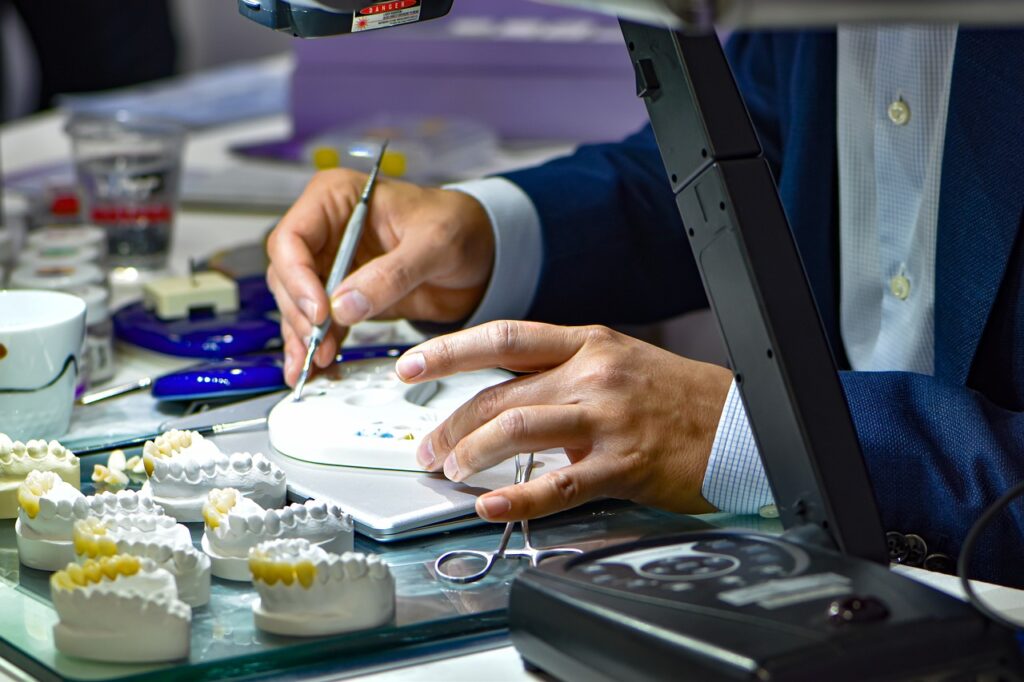
In practice, the three are often combined. A smile makeover might use veneers on the most visible teeth, bonding for a small fix elsewhere, and a crown on a tooth that needs real structural support. The art is in choosing the right tool for each tooth rather than applying one solution to everything.
This is where a prosthodontist‘s training is especially valuable, because planning cosmetic and functional results together is the specialty. The aim is a result that looks natural, fits your bite, and lasts, rather than one that looks good only on the day it is placed.
Protecting Your New Smile
Whatever option you choose, the result lasts longest with good daily care, regular checkups, and protection from grinding. If you clench or grind, a custom nightguard is a smart safeguard for veneers and bonding in particular, which can chip under heavy force. Avoiding habits like biting nails or opening packaging with your teeth protects them too.
A beautiful smile is an investment worth maintaining. With sensible care, bonding, veneers, and crowns all reward you with years of confident smiling.
Frequently Asked Questions
What is the difference between veneers, bonding, and crowns?
Bonding applies composite resin to a small area with little tooth removal; veneers are thin shells covering the front of teeth for a cosmetic makeover; crowns cover the entire tooth for strength and protection. They differ in coverage, durability, and cost.
Which is best for a smile makeover?
Veneers are often the centerpiece of a cosmetic smile makeover because they can reshape color, shape, and alignment with a natural, stain-resistant result. Bonding and crowns are used where they fit the specific tooth and goal.
Is bonding or veneers more affordable?
Bonding is usually the most affordable and most conservative option, ideal for small fixes. Veneers cost more but are more durable and stain-resistant, making them better for a fuller cosmetic change.
Do veneers or crowns ruin your teeth?
Both involve removing some tooth structure, veneers less than crowns. When planned and placed well, they protect and restore teeth rather than harm them, but the choice should always be the most conservative option that solves the problem.
How long do veneers, bonding, and crowns last?
Bonding typically lasts the shortest and may chip or stain sooner; porcelain veneers and crowns can last many years with good care, regular checkups, and protection from grinding.
Design the Right Smile for You
The best cosmetic option is the one matched to your teeth and goals. To plan a smile makeover with a specialist, contact Dental Restorative Group at 617-489-1470.
Dental Restorative Group, 385 Concord Avenue, Suite 100, Belmont, MA 02478. Phone: 617-489-1470.
This article provides general educational information and does not constitute dental or medical advice, nor a quote for treatment. Costs and clinical recommendations vary by individual; please consult a qualified dental professional about your own situation.