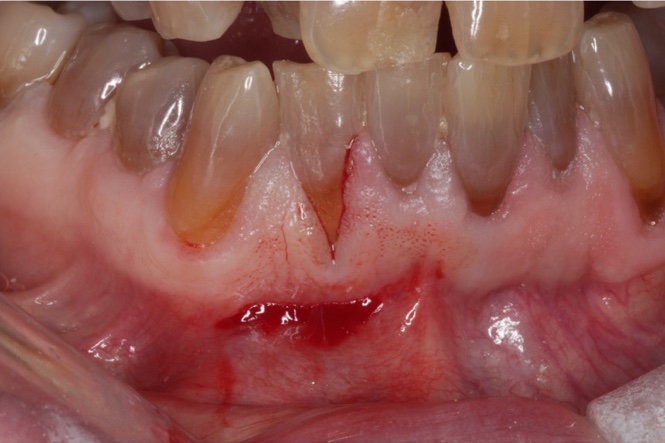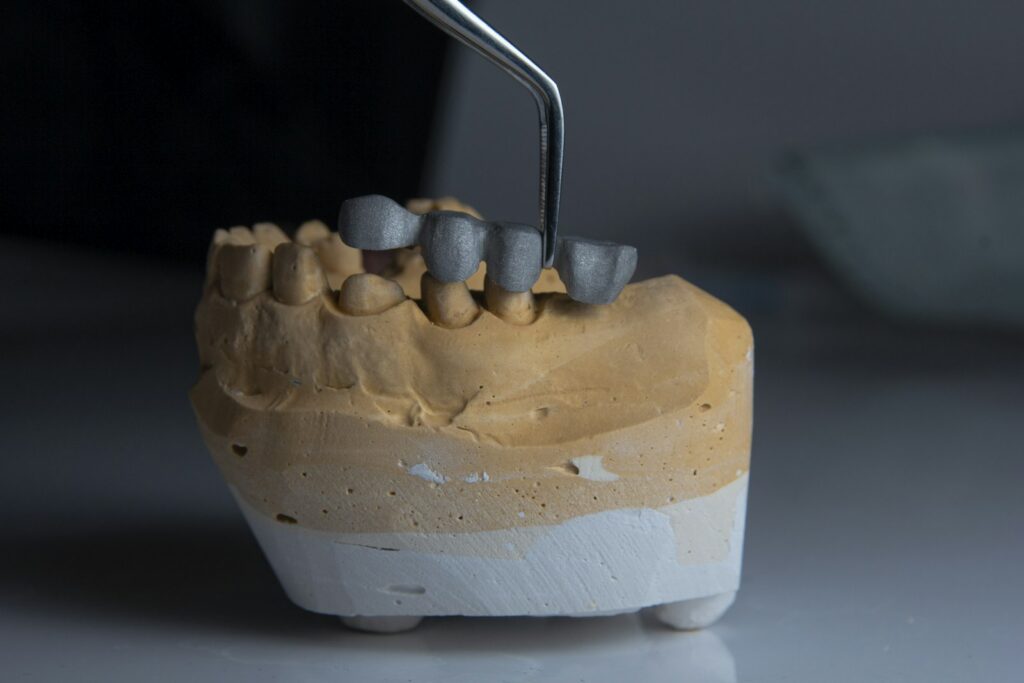
When a tooth is damaged by decay, a crack, or an old restoration that has failed, there is rarely just one way to fix it. The options run along a spectrum, from a simple filling, through inlays and onlays, up to a full crown, and each restores a different amount of the tooth. Choosing the right one is a balance of how much healthy tooth remains and how much protection it needs.
The names can be confusing, and it is easy to worry you are being steered toward the most expensive option. Understanding what each repair actually does makes the recommendation far easier to follow, and to trust.
Fillings: For Smaller Repairs
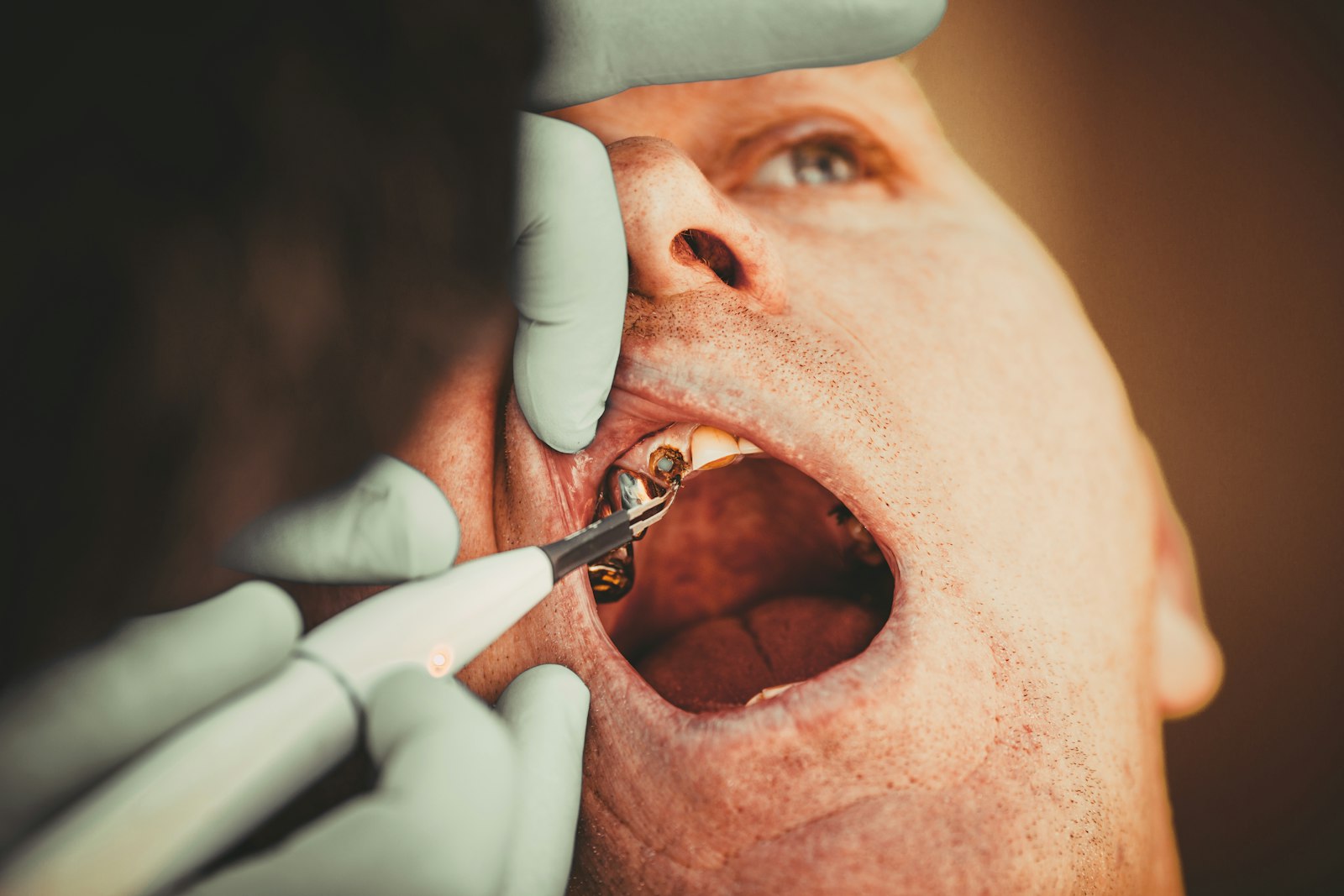
A filling is the most familiar repair, used when a cavity or small area of damage is limited. The decayed portion is removed and the space is filled, most often with a tooth-colored composite that bonds to the tooth and blends in. It is done in a single visit and preserves as much natural tooth as possible.
Fillings are ideal for smaller repairs. When the damaged area grows larger, though, a filling can leave the remaining tooth weak and prone to cracking, which is where inlays, onlays, and crowns come in.
Inlays and Onlays: The Middle Ground
Inlays and onlays, sometimes called partial crowns, sit between a filling and a full crown. They are custom-made restorations, often from durable ceramic, that fit a larger area of damage more precisely and strongly than a big filling can. An inlay fits within the cusps (the raised points) of the tooth; an onlay also covers one or more of those cusps.
Because they are made to fit and then bonded in place, inlays and onlays restore strength while preserving more of the natural tooth than a crown would. For a tooth that is too damaged for a simple filling but does not need full coverage, they are often the ideal, conservative choice.
Crowns: For Full Coverage
A crown, or cap, covers the entire visible tooth. It is the right choice when a tooth is extensively damaged, has a large old filling, has cracked, or has become brittle, for example after root canal treatment. By encasing the whole tooth, a crown protects it from the forces that would otherwise split it.
Modern crowns can be made from strong, natural-looking materials that match your other teeth closely. When a tooth needs comprehensive protection, a crown is what keeps it functional and saves it from extraction.
How the Options Compare
| Repair | How much it restores | Best for |
|---|---|---|
| Filling | Small area of the tooth | Minor decay or damage |
| Inlay | Within the cusps of the tooth | Moderate damage, cusps intact |
| Onlay | One or more cusps plus the center | Larger damage, still conservative |
| Crown | The entire visible tooth | Extensive damage or a weakened tooth |
The guiding principle is to restore the tooth reliably while removing as little healthy structure as possible. Seeing the ladder from filling to crown makes the logic of a recommendation clear.
How the Right Repair Is Chosen
The decision comes down to a few concrete factors: how much healthy tooth remains, where the damage is and how much force that area takes when you chew, whether the tooth has been weakened by a crack or a root canal, and appearance. The aim is always the most conservative option that will reliably last.
A prosthodontist‘s training is especially useful here, because choosing and crafting restorations that fit, function, and look natural is exactly the specialty. An honest recommendation is the one that protects your tooth for the long term, not the one with the biggest fee.

Protecting the Repair You’ve Made
Whatever the repair, it lasts longest with good daily care, regular checkups, and, if you grind your teeth, a custom nightguard to shield it from excessive force. A restoration is an investment in keeping your natural tooth, and a little protection keeps that investment working for years.
If you have a tooth that needs attention, or an old filling or crown that may be failing, the sooner it is assessed, the more conservative the fix tends to be.
Frequently Asked Questions
What is the difference between an inlay, an onlay, and a crown?
An inlay fits within the cusps of a tooth, an onlay also covers one or more cusps, and a crown covers the entire visible tooth. They restore progressively more of the tooth, from moderate damage up to extensive damage.
When do I need a crown instead of a filling?
A filling suits smaller repairs. A crown is needed when a tooth is extensively damaged, cracked, has a very large old filling, or has become brittle (such as after a root canal), because it protects the whole tooth from breaking.
Are inlays and onlays better than fillings?
For larger areas of damage, yes. Inlays and onlays are custom-made and stronger than a large filling, restoring the tooth more durably while preserving more natural structure than a crown would.
How is the right type of repair decided?
It depends on how much healthy tooth remains, where the damage is and how much chewing force it takes, whether the tooth is weakened, and appearance. The goal is the most conservative option that will reliably last.
How long do these restorations last?
With good care and regular checkups, they can last many years. Longevity depends on the material, the tooth’s location, your oral hygiene, and habits such as grinding, which a nightguard can help manage.
Get the Right Repair for Your Tooth
From a simple filling to a full crown, the best repair is the one matched to your tooth. To have a damaged or failing restoration assessed, contact Dental Restorative Group at 617-489-1470.
Dental Restorative Group, 385 Concord Avenue, Suite 100, Belmont, MA 02478. Phone: 617-489-1470.
This article provides general educational information and does not constitute dental or medical advice, nor a quote for treatment. Costs and clinical recommendations vary by individual; please consult a qualified dental professional about your own situation.