A crown or bridge is built to last, and a good one often does for many years. But no restoration lasts forever. Over time, the materials wear, the tooth and gum around them change, and the seal that protects the tooth underneath can begin to break down. Knowing when an old crown or bridge is failing, and acting before it causes a bigger problem, protects both the restoration and the tooth it covers.
Many people assume a crown is permanent and maintenance-free. In reality, an aging restoration deserves attention, because the most common problems start quietly, beneath a crown that still looks fine on the surface.
Why Crowns and Bridges Eventually Fail
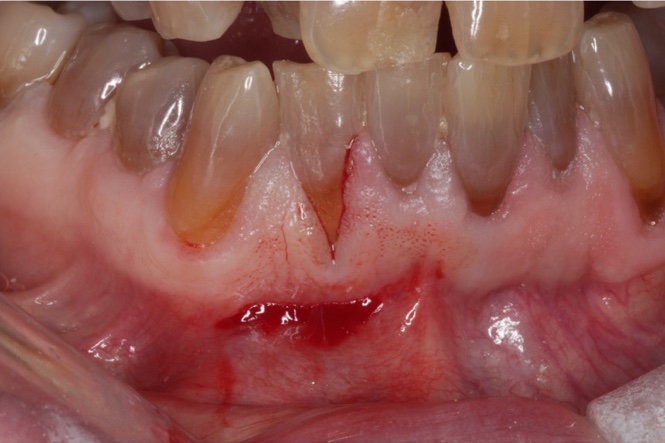
The restoration itself does not decay, but everything around it can change. The cement seal at the margin, where the crown meets the tooth, can wear or leak over years, letting bacteria reach the natural tooth underneath. The gums may recede, exposing a root surface or an unaesthetic edge. And the bite and the materials themselves wear with decades of use.
For a bridge, there is an added factor: it depends on the supporting teeth at each end, so if one of those teeth develops a problem, the whole bridge is affected. None of this means a restoration has done anything wrong; it simply means dental work, like anything that works hard every day, has a lifespan.

Signs Your Crown or Bridge May Be Failing
Some warning signs are easy to notice; others are found only at a checkup. Worth watching for:
- New sensitivity or pain in or around a crowned tooth, especially to hot, cold, or biting.
- A dark line at the gumline, or a crown edge that has become visible as the gum receded.
- A crown or bridge that feels loose, moves, or clicks.
- A chip, crack, or worn-through spot in the restoration.
- Food trapping, a bad taste, or recurring inflammation around the restoration.
- A crown that has simply been in place for many years and has never been assessed.
Because decay under a crown is often painless until it is advanced, regular checkups are what catch these problems while they are still small.
Why Catching It Early Matters
The reason to act early is simple: the goal is to save the natural tooth beneath the restoration. When a leaking margin lets decay start, catching it early may mean a straightforward new crown. Left too long, that same decay can reach the nerve or undermine the tooth to the point where it can no longer be restored, turning a routine replacement into an extraction.
An old restoration that is monitored and replaced on time is a minor event. The same restoration ignored until it fails outright is how a savable tooth is lost. Early attention is almost always the less expensive and less invasive path.
What Replacing a Crown or Bridge Involves
Replacing a crown generally means carefully removing the old one, cleaning and assessing the tooth underneath, treating any decay, and fitting a new, well-sealed restoration. If the tooth beneath is healthy, this is a routine procedure. If decay has reached the nerve, root canal treatment may be needed first; if too little tooth remains, other options are considered.
Replacing a bridge is similar but also involves evaluating the supporting teeth. Sometimes a failing bridge is a good moment to consider whether a dental implant might provide a more independent, longer-lasting solution than another bridge, depending on the condition of the neighboring teeth.

Choosing the Right Replacement
Modern materials and techniques often make a replacement better than the original, with a more precise fit, more natural appearance, and stronger, longer-lasting materials. The right choice depends on the tooth, the bite, the surrounding gum and bone, and your goals, which is exactly the kind of planning a prosthodontist is trained to do.
Whether the answer is a new crown, a new bridge, or an implant-supported option, the aim is a restoration that fits correctly, protects the tooth, and lasts. Getting an aging restoration assessed is the first step to keeping the result you already have.
Don’t Wait for It to Break
If you have a crown or bridge that is more than a decade old, feels different, or has never been checked, it is worth having it looked at, even if nothing hurts. The best outcome comes from replacing a restoration on your schedule rather than in an emergency after it fails.
A quick evaluation can tell you whether your restoration is fine as is, worth watching, or due for replacement. That peace of mind, and the tooth it protects, is well worth a visit.
Frequently Asked Questions
How long do crowns and bridges last?
Many last a decade or more, and some far longer, but no restoration lasts forever. Materials wear, seals can break down, and the surrounding tooth and gum change, so aging restorations should be monitored.
What are the signs a crown is failing?
Watch for new sensitivity or pain, a dark line or visible edge at the gumline, a loose or clicking crown, chips or wear, food trapping, or recurring inflammation. Decay under a crown is often painless, so checkups matter.
Why replace an old crown if it doesn’t hurt?
Decay under a crown is usually painless until it is advanced. Replacing a failing crown early can save the tooth with a routine procedure, while waiting can lead to root canal treatment or losing the tooth.
What does replacing a crown involve?
The old crown is removed, the tooth underneath is cleaned and assessed, any decay is treated, and a new, well-sealed crown is fitted. If the nerve is involved, root canal treatment may be needed first.
Should I replace a failing bridge with an implant?
Sometimes. A failing bridge can be a good moment to consider whether a dental implant offers a more independent, longer-lasting solution, depending on the health of the neighboring teeth and bone.
Keep the Tooth Under Your Restoration
An aging crown or bridge is best replaced on your schedule, not after it fails. To have an old restoration assessed, contact Dental Restorative Group at 617-489-1470.
Dental Restorative Group, 385 Concord Avenue, Suite 100, Belmont, MA 02478. Phone: 617-489-1470.
This article provides general educational information and does not constitute dental or medical advice, nor a quote for treatment. Costs and clinical recommendations vary by individual; please consult a qualified dental professional about your own situation.