October in New England has a familiar rhythm. You leave Boston, Cambridge, or Belmont for an orchard, come home with more apples than you planned to buy, choose a pumpkin that seemed much lighter in the field, and somehow find room for a cider donut. Once the sun goes down, spooky season takes over, from neighborhood decorations to a late walk through Salem.
Your teeth experience that day as a series of textures, temperatures, and small decisions. There is the first crisp bite of an apple, a cup of cider carried for an hour, cold air after a hot drink, roasted pumpkin seeds, and perhaps a pair of costume fangs that looked harmless in the package.
Most healthy teeth and secure restorations can handle an ordinary fall outing. The useful part is knowing when a seasonal moment is simply enjoyable and when it reveals a tooth or restoration that deserves a closer look.
A Whole Apple Is a Very Specific Kind of Bite
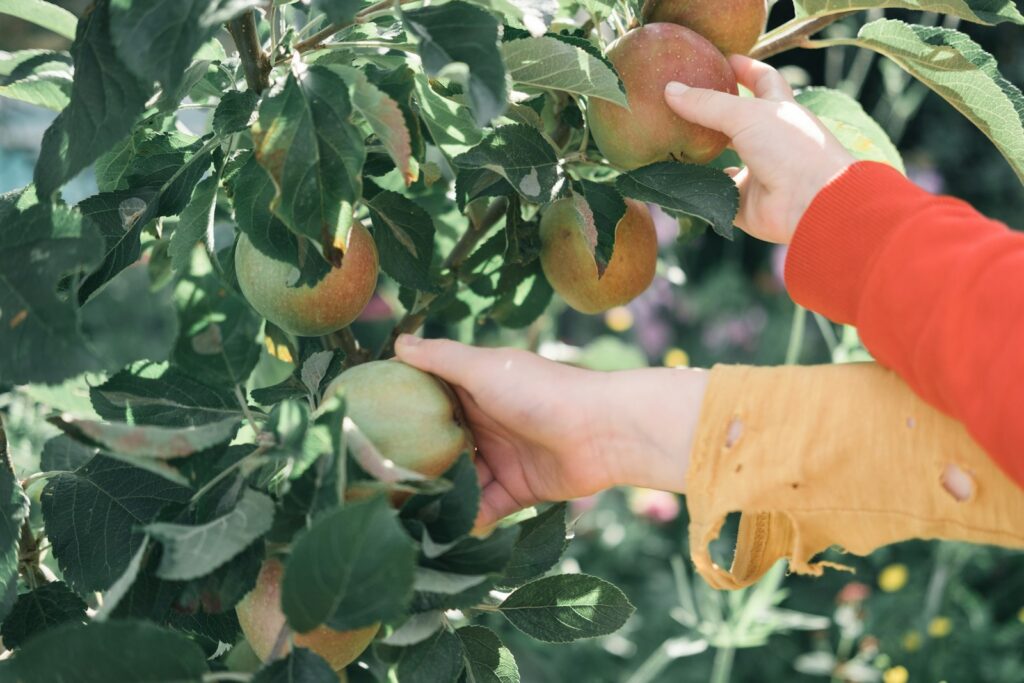
A whole apple asks the front teeth to cut through the skin and then pull against firm fruit. That is normal work for healthy teeth. A stable crown, veneer, or bonded restoration should also be designed for everyday function once your dentist has cleared it for regular use.
Still, a whole apple is not the best way to test a tooth that already feels questionable. If you have a temporary restoration, a chipped front tooth, a veneer that feels different, a crown that moves, or pain when you release your bite, slice the apple instead. Smaller pieces can be chewed with the back teeth and place less leverage on the front of the smile.
This is not about being afraid of apples. It is about responding to information you already have. A tooth that repeatedly hurts during a firm bite, or feels tender when pressure is released, should be evaluated rather than tested again at the next orchard stop. Cracked teeth can produce intermittent symptoms, so the fact that the discomfort disappears quickly does not always explain the cause.
Cider Changes the Pattern More Than the Donut
A cider donut is an obvious treat. Fresh cider can feel almost wholesome by comparison, but the way you drink it matters. Sweet cider contains fermentable carbohydrates, and acidic drinks can contribute to enamel wear when teeth are exposed frequently. The long, slow sip during a drive or corn maze creates a different pattern from enjoying one cup with food and then moving on.
A practical approach is simple. Have cider with the meal or snack you were already planning, finish it rather than carrying it for hours, and drink plain water afterward. Avoid swishing cider around the mouth or holding it against the teeth. If you want a donut too, enjoy it as part of the same occasion instead of breaking it into an afternoon of repeated bites.
None of this turns an orchard visit into a nutrition lecture. It simply reduces the number of separate sugar and acid exposures while leaving the best parts of the day intact.
Cold Air Can Make a Quiet Tooth More Noticeable
Fall gives teeth an unusual temperature workout. One minute you are drinking hot coffee; the next you are breathing cold air on a hayride. A brief zing can occur with exposed root surfaces, enamel wear, a small area of decay, a loose filling, a crack, or recent dental treatment. The sensation alone does not identify the cause.
Pay attention to duration and pattern. Sensitivity that stops as soon as the cold is gone is different from pain that lingers, wakes you later, or appears every time you bite on one tooth. New, persistent, or worsening symptoms deserve an examination. The orchard may have made the sensation easier to notice, but it cannot tell you why it is happening.
Pumpkin Patches Bring Different Details
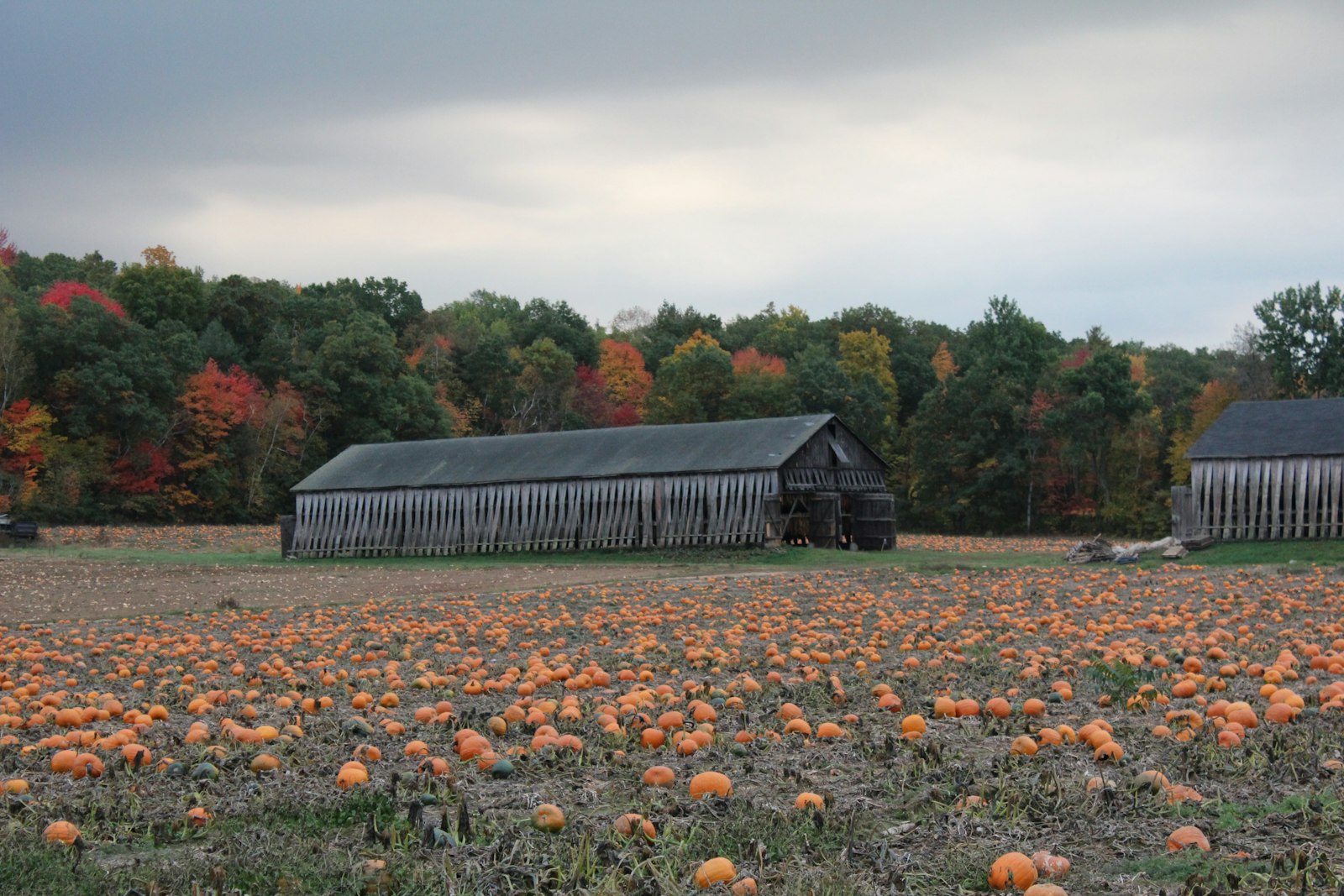
The pumpkin itself is unlikely to challenge your dental work. The farm-stand snacks around it are another story. Roasted seeds, kettle corn, nuts, and crisp baked edges can all be enjoyable, but they reward slower eating. Do not use your front teeth to crack thick seed shells, and avoid chewing on unpopped kernels or anything that feels unexpectedly hard.
Long outdoor days can also leave the mouth dry, especially when water is replaced by coffee or cider. Some antihistamines and decongestants used during fall allergy season can add to that dry feeling. Saliva helps clear food and buffer acids, so bring water and drink it throughout the day. If dry mouth is persistent rather than occasional, mention it at a dental or medical visit because medications and health conditions may be involved.
Costume Fangs Should Stay in the Costume Department
Spooky season adds one dental question that does not appear at the orchard: what should you do with costume teeth? Removable vampire fangs and similar accessories should be made for oral use and worn exactly as the manufacturer directs. Nail glue, superglue, craft glue, and other household adhesives do not belong on teeth or dental restorations.
Remove costume teeth before eating or sleeping. If you have veneers, crowns, bonding, braces, sensitive gums, or recent dental work, ask your dentist before placing anything over the teeth. A tight accessory can catch on a restoration, irritate the gums, alter the bite, or become difficult to remove. If a fang becomes stuck, do not twist or yank it. Call a dental office for guidance so a costume does not become an actual restorative problem.
A Small Fall Day Kit Is Worth the Space
You do not need to pack a dental office for an afternoon outside. A few ordinary items cover most of what the day can produce:
Plain water for drinking after cider, coffee, and snacks
Floss for apple skin, popcorn, or seeds that settle between teeth
A protective case for a retainer, aligner, night guard, or removable appliance
Any eating instructions your dentist gave you after recent treatment
The dental office phone number if you are traveling with a temporary or recently repaired restoration
The case is as important as the appliance. A retainer wrapped in a napkin has a way of disappearing with the cider-donut bag.
When the Fall Outing Reveals a Real Problem
A sharp edge, a new space around a crown, repeated pain when biting, lingering hot or cold sensitivity, or movement in a restoration should not be ignored simply because the symptom began during a normal activity. Ordinary foods often reveal an existing vulnerability rather than create the entire problem in one bite.
Stop chewing on the affected side and contact a dentist if the change persists. Save any fragment that comes away and do not try to reattach a crown or piece of tooth with household glue. Significant swelling, drainage, fever, facial trauma, uncontrolled bleeding, or difficulty breathing or swallowing requires prompt professional attention, and breathing or swallowing difficulty warrants emergency medical care.
The goal is not to interrupt the season. It is to keep a small problem from following you from the pumpkin patch into Thanksgiving.
Fall Dental Care in Belmont
Dental Restorative Group provides preventive, restorative, cosmetic, implant, and complex-case care in Belmont. If an apple, a cold drink, or a costume accessory reveals a change in a tooth or restoration, an evaluation can look at the tooth, the dental work, the surrounding tissues, and the bite before recommending what comes next.
Patients from Belmont, Cambridge, Boston, and surrounding communities can contact Dental Restorative Group at 617-489-1470. The office is located at 385 Concord Avenue, Suite 100, Belmont, MA 02478.
Request editsCtrl Shift X
Frequently Asked Questions
Can I bite into a whole apple if I have crowns or veneers
Many stable restorations can handle ordinary food once treatment is complete and your dentist has cleared you for normal function. If a restoration is temporary, newly placed, loose, chipped, or uncomfortable, slice the apple and follow your dentist’s instructions.
Is apple cider bad for teeth
An occasional serving can fit into a normal diet. The larger concern is frequent exposure to sugar and acid, such as sipping cider for several hours. Have it with food, finish it in one sitting, and drink water afterward.
Why does one tooth hurt only when I bite a crisp apple
Firm food can make a crack, loose filling, bite problem, decay, or another structural issue easier to notice. If the symptom repeats, stop testing the tooth and arrange an examination. A description alone cannot determine the cause.
Are costume vampire fangs safe over crowns or veneers
Fit and removal can be unpredictable around dental work. Use only products designed for oral use, never improvise with household adhesives, and ask your dentist before wearing fangs over crowns, veneers, bonding, braces, or recently treated teeth.
Dental Restorative Group, 385 Concord Avenue, Suite 100, Belmont, MA 02478. Phone: 617-489-1470.
This article provides general educational information and does not replace an individual dental examination. Advice may differ based on a person’s teeth, restorations, bite, medical history, and recent treatment.