Gum disease is one of the most common conditions in dentistry and a leading cause of tooth loss in adults, yet it often advances with few obvious symptoms until it is well established. The encouraging part is that in its earliest stage it is completely reversible, and at every stage there is something that can be done.
The key is understanding that gum disease is not a single event but a progression. Knowing the stages, and the warning signs that mark them, helps you act while treatment is simplest and most effective.

Stage 1: Gingivitis (Reversible)
Gingivitis is the earliest stage, caused by plaque building up along the gumline. The signs are easy to miss or dismiss: gums that are red, slightly swollen, or bleed a little when you brush or floss. There is no bone loss yet, and importantly, no permanent damage.
This is the stage you want to catch, because it is fully reversible. A professional cleaning to remove plaque and tartar, combined with consistent brushing and flossing at home, can return the gums to health. Bleeding gums are not something to brush past; they are the earliest invitation to act.
Stage 2: Early Periodontitis
If gingivitis is left unchecked, it can progress to early periodontitis. Here the infection begins to affect the bone and fibers that hold your teeth in place. Small pockets form between the gums and teeth where bacteria collect, and some early bone loss begins, which does not come back on its own.
Treatment at this stage typically involves a deep cleaning called scaling and root planing, which removes bacteria and tartar from below the gumline and smooths the root surfaces so the gums can reattach. Caught here, the disease can usually be brought under control before major damage is done.
Stage 3: Moderate to Advanced Periodontitis
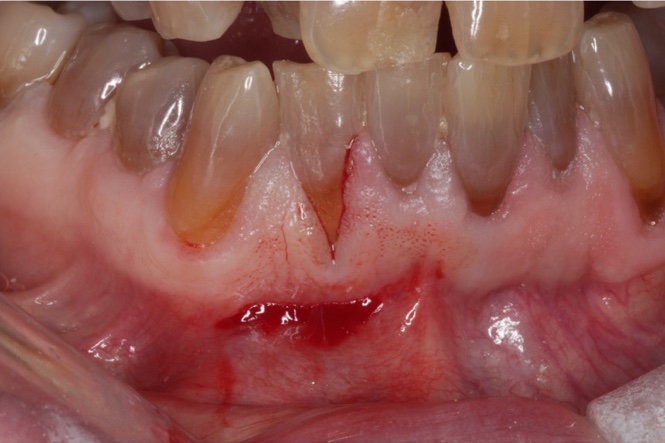
As periodontitis advances, pockets deepen, more bone is lost, and teeth may begin to loosen, shift, or feel tender. You might notice persistent bad breath, gum recession, or a change in how your teeth fit together when you bite.
Treatment becomes more involved and may include deeper periodontal therapy, and in some cases surgical treatment to clean deep pockets, regenerate lost tissue, or reduce pocket depth. The goal shifts to stopping the progression and saving the teeth that can be saved.
How the Stages Compare
| Stage | What’s happening | Reversible? | Typical treatment |
|---|---|---|---|
| Gingivitis | Gum inflammation, no bone loss | Yes | Professional cleaning + home care |
| Early periodontitis | Early bone loss, small pockets | No, but controllable | Scaling and root planing |
| Advanced periodontitis | Significant bone loss, loose teeth | No | Periodontal therapy, sometimes surgery |
| Tooth loss | Teeth lost or removed | — | Replacement: implant, bridge, denture |
The pattern is clear: the earlier gum disease is addressed, the simpler the treatment and the better the outcome.
When Gum Disease Leads to Tooth Loss
In its most advanced form, periodontitis destroys enough support that teeth are lost or must be removed. When that happens, restoring the mouth requires first stabilizing the gum health, then replacing the missing teeth with a solution such as a dental implant, bridge, or denture.
Healthy gums and bone are the foundation any replacement relies on, which is why treating the disease comes before, and makes possible, rebuilding the smile. This is exactly the kind of comprehensive planning a prosthodontist is trained to coordinate.
Prevention and Early Detection
The good news is that gum disease is largely preventable and, caught early, very manageable. Brushing twice a day, flossing daily, and keeping regular checkups and cleanings are the front line. Because the early stages are nearly painless, professional monitoring is often what catches the problem in time.
If your gums bleed, look red or swollen, or feel tender, do not wait for it to become painful. An evaluation now, while things are still reversible, is the easiest visit you will ever make. Your first step is simply a checkup.
Frequently Asked Questions
What are the stages of gum disease?
Gum disease progresses from gingivitis (reversible inflammation with no bone loss), to early periodontitis (early bone loss and small pockets), to moderate and advanced periodontitis (significant bone loss and loose teeth), and can ultimately lead to tooth loss.
Is gum disease reversible?
Gingivitis, the earliest stage, is fully reversible with professional cleaning and good home care. Once it progresses to periodontitis and bone loss begins, it can be controlled but not fully reversed, which is why early treatment matters.
What are the warning signs of gum disease?
Watch for gums that are red, swollen, or bleed when brushing or flossing, persistent bad breath, gum recession, tenderness, or teeth that feel loose or shift. Early signs are easy to miss, so regular checkups help.
How is gum disease treated?
Treatment depends on the stage, from a professional cleaning for gingivitis, to scaling and root planing for early periodontitis, to deeper periodontal therapy or surgery for advanced cases. Lost teeth can be replaced once gum health is restored.
Can gum disease cause you to lose teeth?
Yes. Advanced periodontitis destroys the bone and tissue that support teeth, which can cause them to loosen and be lost. Treating it early is the best way to prevent tooth loss.
Catch It Early, Protect Your Smile
Gum disease is easiest to treat when it is caught early, often before you feel a thing. If your gums bleed or you are overdue for a checkup, contact Dental Restorative Group at 617-489-1470.
Dental Restorative Group, 385 Concord Avenue, Suite 100, Belmont, MA 02478. Phone: 617-489-1470.
This article provides general educational information and does not constitute dental or medical advice, nor a quote for treatment. Costs and clinical recommendations vary by individual; please consult a qualified dental professional about your own situation.