For some young adults, finishing orthodontics does not finish the dental story. When a permanent front tooth never developed, the most important decision may be what happens after braces.
August is a month of transitions throughout Boston and Cambridge. Students return to college, graduate programs begin again, dental students head back to clinic, and young adults take on decisions that once belonged mostly to their parents.
For some, one of those decisions has been discussed since they were children: What are we eventually going to do about the tooth that never developed?
Congenitally missing maxillary lateral incisors—the smaller upper front teeth beside the two central incisors—can create a unique treatment journey. Orthodontics, restorative dentistry, tooth proportions, bone and gum tissue, facial appearance, growth, and long-term maintenance may all influence the final result.
There is no single treatment that is correct for everyone.
Why the Final Plan May Begin Years Before the Final Tooth
When a permanent lateral incisor never develops, the surrounding teeth do not simply remain frozen in place.
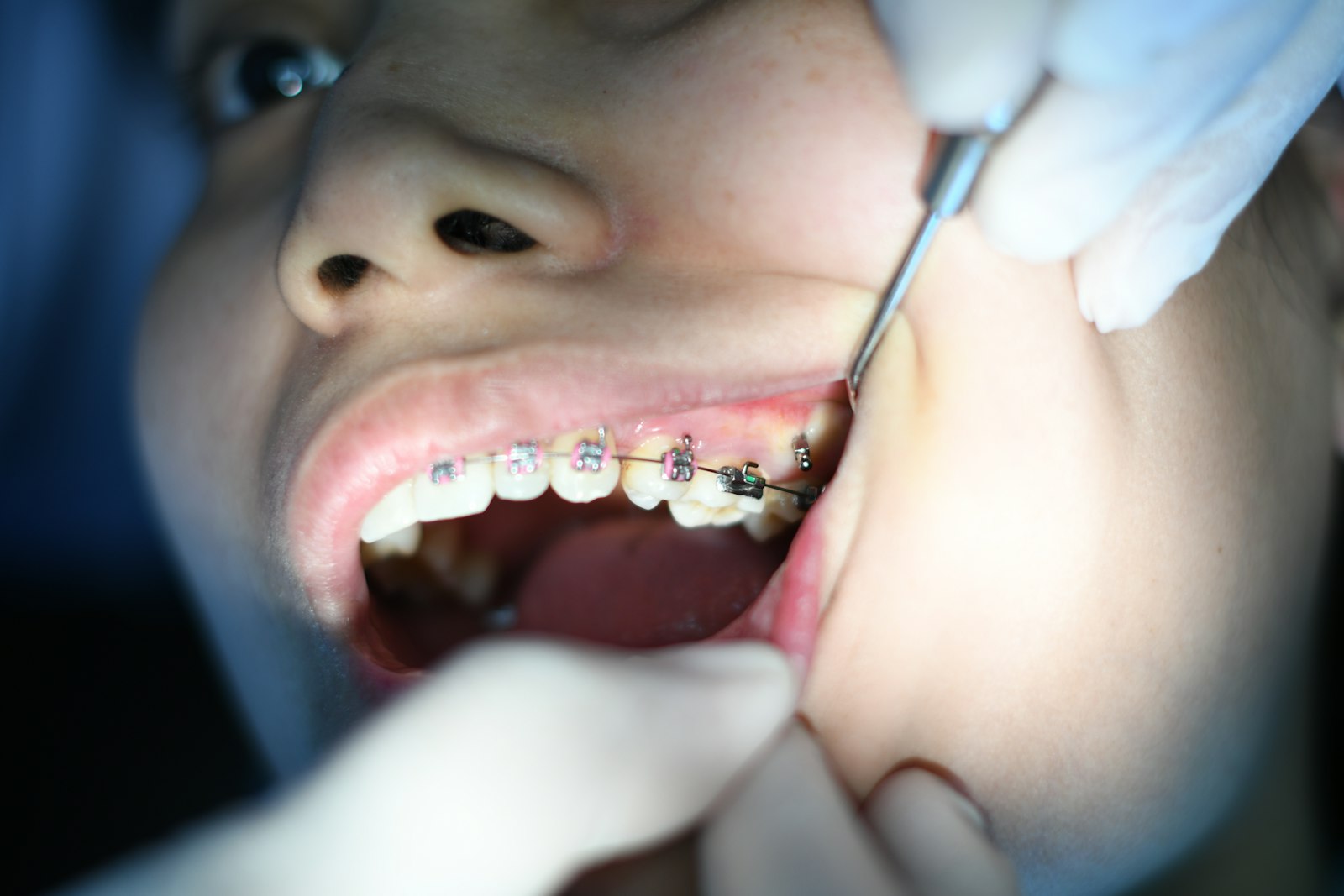
Canines may erupt differently. Neighboring teeth can move. Root positions can influence what restorative options will be available later. The orthodontist may need to decide whether to close the space or preserve it for a future replacement.
That means decisions made during adolescence can affect restorative possibilities years later.
Ideally, the restorative destination is considered before orthodontic treatment is completely finished. The final tooth positions should support the long-term plan rather than leave the restorative dentist trying to solve an avoidable spacing problem afterward.
One Approach: Closing the Space
In selected patients, orthodontic treatment can move the canine into the position normally occupied by the missing lateral incisor.
The canine may then be reshaped or restored when appropriate so that it integrates more naturally with the surrounding front teeth.
This approach avoids placing an artificial replacement tooth in the missing space, but the decision involves more than whether the canine can physically be moved forward.
The dentist and orthodontist may consider the patient’s facial profile, tooth color, gum levels, bite, canine shape, tooth proportions, and the relationship between all of the visible front teeth.
A successful result should not look like a canine that was simply moved into the wrong place. It should feel intentional and harmonious with the individual smile.
Another Approach: Preserving the Space
A different strategy is to establish appropriate space for a future replacement tooth.
Depending on the patient, options may include a resin-bonded bridge, another type of bridge, or an implant-supported crown.
Each solution has different advantages, limitations, and maintenance requirements. The condition of the neighboring teeth also matters greatly.
For example, a young adult with completely healthy adjacent teeth may have different considerations from an older patient whose neighboring teeth already contain substantial restorations.
This is why the empty space alone cannot determine the treatment.
“Why Not Just Put an Implant There?”
This is one of the most understandable questions families ask.
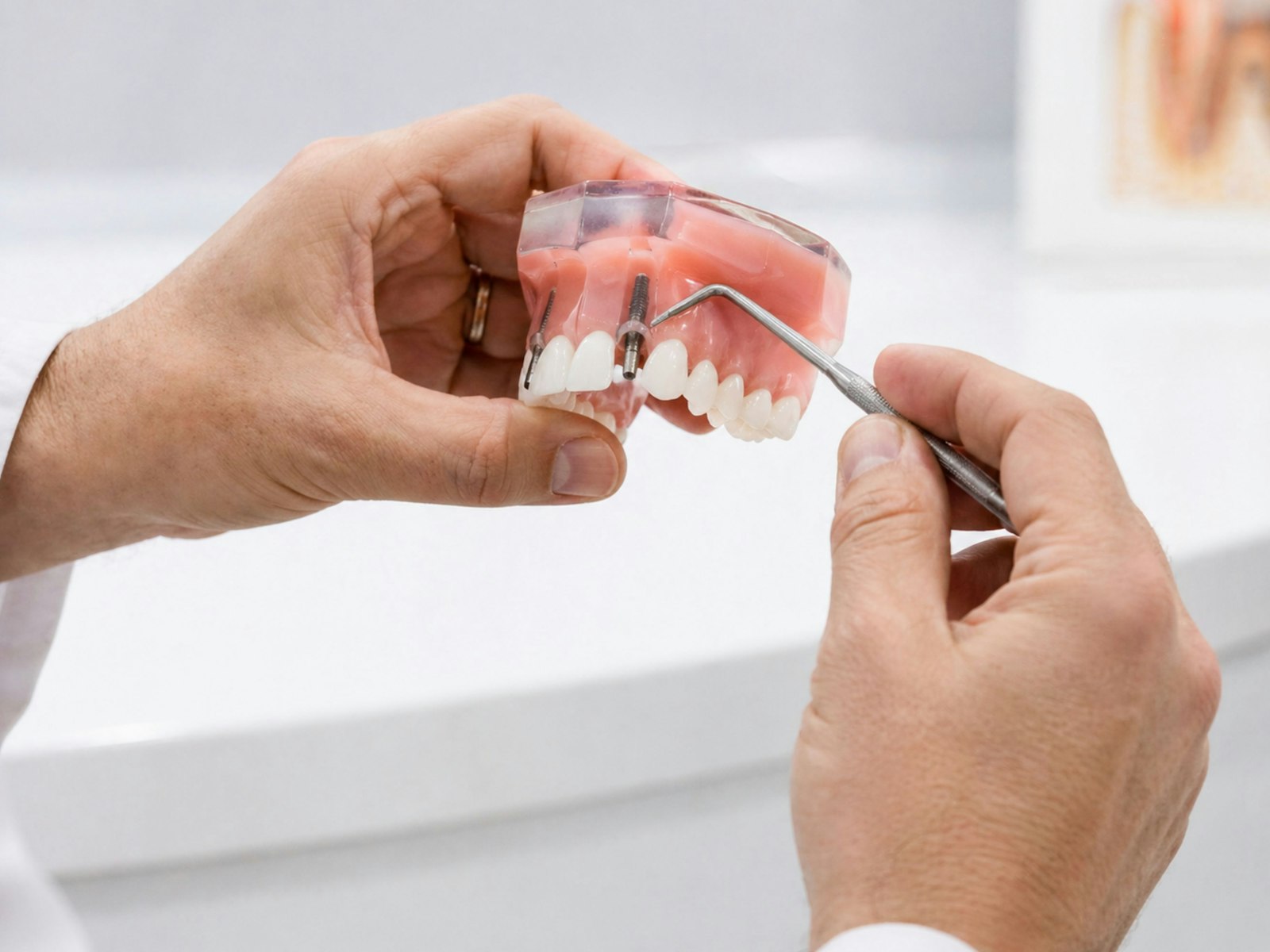
Dental implants can be an excellent way to replace missing teeth in appropriately selected patients, but the front of the mouth is a demanding area for implant dentistry.
The implant must eventually support a tooth that sits beside highly visible natural teeth. Small differences in implant position, gum contour, tooth proportion, shade, or bone support can influence the final appearance.
The visible gap between the teeth is only one part of the planning. Root position, available bone, soft tissue, growth, bite, and the desired position of the final crown may all matter.
The restorative tooth should therefore be considered before the implant is placed.
Is Eighteen Old Enough for an Implant?
Chronological age alone cannot answer that question.
A patient may be legally an adult while facial and skeletal growth considerations remain clinically relevant. Bone, gum tissue, root position, orthodontic stability, and the overall restorative plan also need to be evaluated.
There is no prize for placing an implant at the earliest possible age.
The goal is to make a sound decision at the appropriate time for that patient.
For some young adults, the most responsible plan may involve continuing with an interim solution while the area is monitored.
What Is a Maryland or Resin-Bonded Bridge?
A resin-bonded bridge can provide a conservative fixed replacement for a missing tooth in selected situations. Rather than placing full crowns over neighboring teeth, this type of restoration uses adhesive retention to supporting tooth structure.
It can sometimes be used as an interim solution and, in certain cases, as a longer-term treatment.
Like every restorative option, it has limitations. The patient’s bite, available enamel, tooth positions, restorative space, and design of the bridge all influence whether it is appropriate.
The goal is not to choose the treatment that sounds most conservative. It is to choose the treatment that is appropriately conservative for the individual situation.
What About a Traditional Bridge?
A conventional dental bridge generally relies on neighboring teeth to support the replacement tooth.
This may be a reasonable option in some patients, particularly when adjacent teeth already require significant restorative treatment.
For a young adult with completely untouched neighboring teeth, however, preparing those teeth becomes a more meaningful consideration when other options are available.
The same treatment can therefore make sense in one patient’s mouth and be far less attractive in another.
Why the Front of the Mouth Requires So Much Attention
A lateral incisor is a relatively small tooth, but its aesthetic responsibilities are significant.
It sits between the central incisor and canine, two teeth that provide very clear visual references. Small differences in width, length, gum contour, shade, surface texture, and position may become noticeable because the surrounding natural teeth create such a precise comparison.
The goal is not artificial symmetry.
Natural teeth are not perfectly identical.
The goal is to create a result that feels as though the missing tooth always belonged in that person’s smile.
This is one reason prosthodontic training can be valuable when orthodontics and restorative dentistry need to meet in one carefully planned outcome.
For Students Returning to Boston
August can be a useful time to revisit a treatment plan that has been on hold.
Perhaps braces were completed several years ago. Maybe you have been wearing a retainer with a temporary replacement tooth. College interrupted the process. Your family moved. Or everyone simply kept saying, “We will figure out the implant later.”
Eventually, later arrives.
A prosthodontic consultation does not mean treatment needs to begin immediately. It can simply clarify whether the current space is appropriate, what restorative options exist, which records would be helpful, and what timing may make sense.
For Parents: Bring the History You Have
If your son or daughter has been through years of orthodontic treatment, previous records can be useful.
Older X-rays, orthodontic photographs, digital scans, retainers, previous treatment plans, and earlier restorative consultations may help the dentist understand how the case reached its current stage.
There is no need to create a perfectly organized archive.
Bring what exists.
For Young Adults: This Is Your Decision Now
You may have heard adults discuss this tooth since you were twelve.
Now you are the person who will live with the final treatment.
Ask questions about how each option affects the neighboring teeth, what maintenance will be required, what happens if treatment is delayed, what the aesthetic limitations are, whether an implant would require additional procedures, and how the final result is expected to age.
A sophisticated treatment conversation is not one where a young adult silently accepts the plan.
It is one where the patient understands why that plan makes sense.
For International Students and Families
Boston and Cambridge welcome students and families from around the world, and Dental Restorative Group also sees patients traveling for specialized restorative care.
If orthodontic or dental treatment was completed in another country, bring or send whatever records are available. Different clinicians may use different terminology or treatment sequences, but good records can help establish the history.
An in-person examination and appropriate diagnostic information are still required before a definitive treatment plan can be established.
Begin With the Plan, Not the Procedure
The best first question is not necessarily, “Do I need an implant?”
A better question is, “What result are we trying to create, and what is the most responsible way to get there?”
Once that answer becomes clear, the individual procedures are much easier to discuss.
Dr. Min Jeong provides comprehensive restorative and prosthodontic care for patients with missing teeth and highly visible restorative needs. When implant surgery or more complex implant rehabilitation becomes part of the plan, Dr. John Chang‘s implant and prosthodontic experience may also be incorporated when appropriate.
Frequently Asked Questions
What does congenitally missing lateral incisor mean?
It means one or both permanent upper lateral incisors did not develop. It is a developmental dental condition rather than a tooth that was lost later because of decay or injury.
Does every missing lateral incisor need an implant?
No. Treatment may involve orthodontic space closure, a resin-bonded bridge, another prosthetic replacement, or an implant-supported restoration depending on the individual patient.
Should a prosthodontist be involved before braces come off?
When a missing tooth will eventually require restoration, involving the restorative dentist or prosthodontist before final orthodontic positioning can help coordinate space, tooth proportions, root relationships, and the planned final restoration.
Can an eighteen-year-old get a dental implant?
Possibly, but chronological age alone does not determine timing. Growth, bone and soft tissue conditions, root position, space, and other individual factors should be evaluated.
What is a Maryland bridge?
A Maryland or resin-bonded bridge is a fixed tooth-replacement option that uses adhesive retention to neighboring tooth structure rather than full-coverage crowns in selected cases.
Begin With a Consultation
Young adults finishing orthodontics, students returning to the Boston area, and adults who have lived with a congenitally missing lateral incisor for years are welcome to request a prosthodontic evaluation.
You do not need to arrive knowing whether you want an implant, bridge, or orthodontic solution.
That is what careful treatment planning is for.
Dental Restorative Group, 385 Concord Avenue, Suite 100, Belmont, MA 02478617-489-1470
Dental Restorative Group serves Belmont, Cambridge, Boston, New England, and patients traveling for specialized restorative care.
This article provides general educational information. Treatment for congenitally missing teeth requires individualized orthodontic, restorative, and, when appropriate, surgical evaluation.