Temporary tooth gems may be designed to come off. The enamel underneath is meant to stay with you.
Harvard Square has watched a remarkable number of trends disappear, return, and somehow become cool again.
The Harvard Square Vintage Block Party on August 15 includes vintage fashion, jewelry, music, food, temporary tattoos, and tooth gems. We will stay out of the debate over whether every Y2K trend deserved a second era, but as a dental office, we do have a few thoughts about putting jewelry on teeth.
The first is an important clarification: the common modern temporary tooth gem is typically bonded to the surface of the enamel rather than drilled into the tooth.
That makes the process considerably less dramatic than some people imagine, but it does not make the tooth underneath irrelevant.
How Temporary Tooth Gems Are Usually Applied
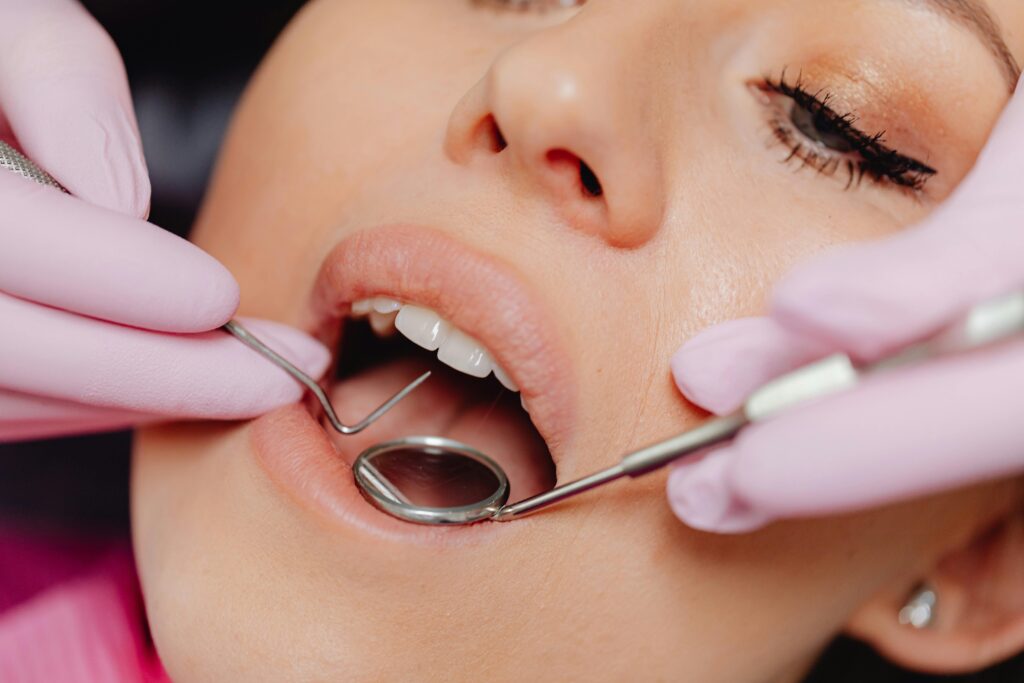
The typical temporary technique uses a bonding process on the outer surface of the tooth. The enamel may be prepared or etched, a dental adhesive or resin is applied, the gem is positioned, and the bonding material is cured.
In that sense, there are similarities to the way an orthodontic bracket is bonded to enamel. The goal is for the gem to sit on the surface rather than requiring a hole to be drilled into healthy tooth structure.
It is still worth asking exactly how a particular provider applies the gem. Different forms of dental jewelry have existed throughout history, and techniques are not necessarily identical.
If Nothing Is Drilled, Why Does Dentistry Care?
Because bonded does not mean biologically meaningless.
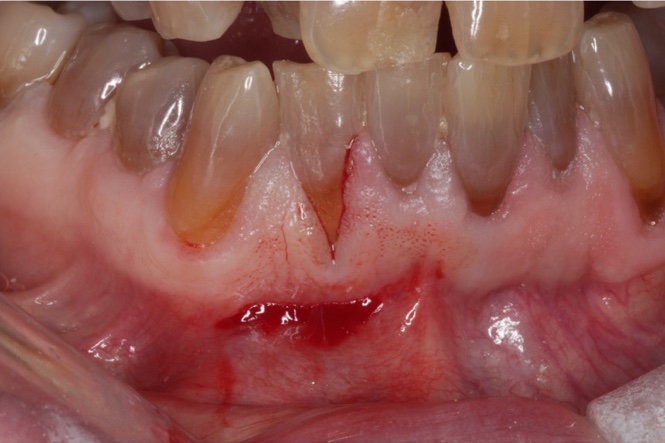
A tooth gem creates an additional contour on the tooth where plaque and debris may collect. Keeping the surrounding enamel and gumline clean may become slightly more demanding, particularly if the gem is worn for an extended period.
The American Dental Association advises against cosmetic tooth gems and tooth jewelry because of potential oral-health concerns, including plaque retention, enamel damage, caries, chipped teeth, and inflammation of the surrounding tissues.
That does not mean everyone wearing a temporary tooth gem will experience a complication. It means the decision deserves a little more thought than choosing an accessory for a phone case.
What Is Actually Under the Gem?
Before adding anything to a front tooth, there is another useful question: is the visible surface actually untouched natural enamel?
Many adults have dental work on their front teeth without thinking about it regularly. A tooth may contain composite bonding, a porcelain veneer, a ceramic crown, an old restoration, or an area of enamel that has already been altered.
Those materials behave differently from natural enamel. Bonding something onto a veneer, crown, or composite restoration may involve different considerations, and removal may affect the surface differently as well.
For patients who have invested significant time and resources in high-quality anterior restorative treatment, this becomes especially important. A temporary accessory should not compromise a restoration that was carefully designed to last.
Removal Matters as Much as Placement
The glamorous part of a tooth gem is putting it on.
Eventually, however, it has to come off.
When the gem is removed, residual bonding material may remain on the tooth and may need to be carefully finished and polished. Aggressively scraping or picking at the surface yourself is not a good way to protect enamel.
If a gem becomes loose or you decide that the trend has run its course, professional removal can help address the jewelry and remaining bonding material while preserving the underlying surface as much as possible.
This is particularly important if the gem was placed over a veneer, crown, or bonded restoration.
Please Leave the Household Glue Out of It
This sounds obvious, but the internet occasionally requires us to say it anyway.
Superglue, nail products, craft adhesives, eyelash glue, and other household materials are not substitutes for dental bonding systems.
A material that is going to remain in the mouth needs to be appropriate for that environment. If a cosmetic choice involves a permanent biological structure, the craft aisle should not become part of the treatment plan.
What If You Already Have a Tooth Gem?
There is no reason to panic.
Keep the area carefully clean and pay attention to the surrounding gum tissue and tooth surface. If the gum becomes irritated, the tooth feels sensitive, the gem loosens, debris repeatedly accumulates around it, or the tooth begins to look different, schedule an evaluation.
If you know that the gem is attached to a veneer, crown, or previously bonded tooth, make sure the dentist knows that before removal is attempted.
Does It Matter Whether the Gem Is Expensive?
From a dental perspective, not particularly.
A genuine diamond may be more valuable than a crystal, but the biology underneath is exactly the same.
The relevant questions are how the gem is attached, what surface it is attached to, whether the area can be cleaned effectively, whether it interferes with the bite, and how it will eventually be removed.
The value of the jewelry does not increase the strength of the enamel underneath it.
Style and Dentistry Do Not Have to Be Opposites
People have used jewelry, clothing, hair, tattoos, makeup, and dental ornamentation to express themselves across cultures and generations.
Dentistry does not need to remove all personality from a smile.
Our responsibility is simply different. We think about what exists underneath the aesthetic choice and what will remain after the trend has passed.
Enamel is an extraordinary natural material, but the body does not simply grow a new layer of enamel after meaningful tooth structure has been lost. That is why conservative decisions around healthy tooth surfaces matter.
A Restorative Perspective From Dr. Min
Dr. Min Jeong‘s restorative work frequently involves details that most people never think about until a front tooth becomes important: enamel preservation, bonding surfaces, ceramic restorations, surface texture, light reflection, tooth proportions, and the relationship between one restoration and the teeth around it.
A tooth gem is therefore a surprisingly good reminder of a larger restorative principle. Small changes can matter on visible teeth.
A tiny accessory may look simple, but it is still being placed on a structure we hope the patient will keep for decades.
Enjoy Harvard Square. Just Ask a Few Questions.
Go to the block party. Find the vintage jacket you somehow owned twenty years ago. Listen to the music. Take the pictures.
If a tooth-gem booth catches your attention, ask how the gem is applied, whether any drilling is involved, what type of bonding material is used, how it will eventually be removed, and whether the tooth underneath is natural enamel or an existing restoration.
Those questions do not make the trend less fun. They simply make the decision more informed.
The gem may be temporary.
Your enamel deserves a little more permanence.
Frequently Asked Questions
Are temporary tooth gems drilled into the tooth?
The common modern temporary technique generally bonds the gem to the outer enamel surface rather than drilling into the tooth. Different forms of dental jewelry exist, so ask the provider to explain the specific technique being used.
How are temporary tooth gems attached?
They are commonly attached with an enamel bonding process that may involve surface preparation, dental adhesive or resin, and light curing.
Can a tooth gem damage enamel?
Potential concerns include plaque retention, enamel changes, caries, irritation around the gumline, and damage associated with improper placement or removal.
Can I put a tooth gem on a veneer or crown?
A veneer or crown is not the same bonding surface as natural enamel. Patients with existing restorations should discuss placement and removal with their dentist before attaching a gem.
How should a tooth gem be removed?
Avoid scraping or picking aggressively at the tooth. Professional removal allows the gem and residual bonding material to be addressed while protecting the underlying surface.
A Final Thought
Temporary trends can be fun. Healthy tooth structure is more difficult to replace.
If you already have veneers, crowns, bonding, or other restorative work on a visible tooth, it is worth knowing exactly what surface is being modified before attaching anything to it.
Dental Restorative Group, 385 Concord Avenue, Suite 100, Belmont, MA 02478617-489-1470
Dental Restorative Group does not endorse cosmetic tooth jewelry. This article is provided for general educational information.