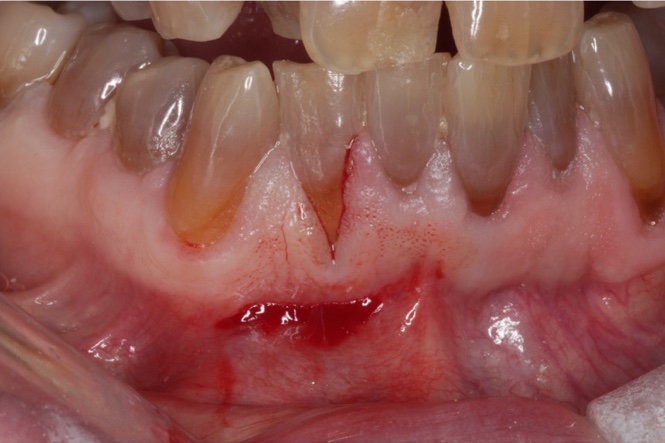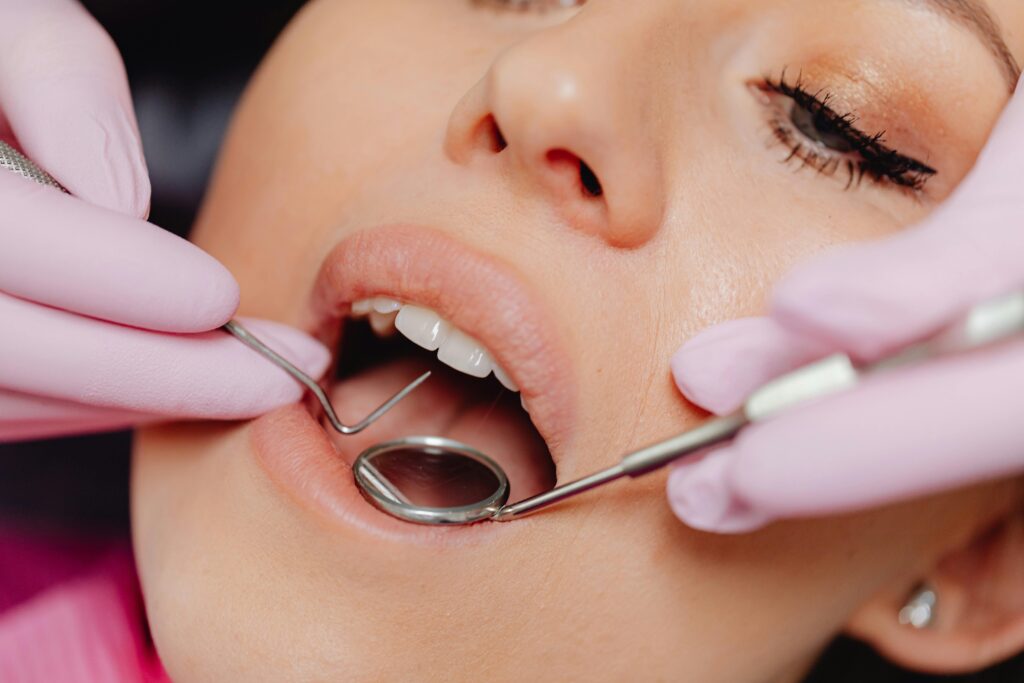
For a serious wind or brass musician, a front tooth is not only part of the smile. Its position, shape, and relationship with the lips can become part of the mechanics of performance.
Boston understands that music can be both an art and a profession. As the city prepares for the Boston Jazz Festival at Maritime Park in the Seaport on August 28 and 29, it is worth considering an aspect of performance that most members of the audience will never think about.
The musician’s teeth.
For a trumpet player, saxophonist, clarinetist, flutist, horn player, oboist, or other wind musician, the relationship between the teeth, lips, tongue, facial muscles, airflow, and instrument becomes extraordinarily precise.
This relationship is part of the embouchure, and it means that changing one front tooth can sometimes involve much more than changing a smile.
The Mouth Develops Its Own Muscle Memory
Serious musicians practice for thousands of hours. Over time, they develop a highly specific sense of how the instrument settles against the lips, how much pressure is required, where the tongue moves, and how the teeth relate to the mouthpiece.
Research involving professional wind musicians has found that dental and orofacial changes can influence embouchure and performance. This does not mean that every crown, filling, or dental procedure will change someone’s playing. It does mean that, for certain musicians, details most patients would barely notice may feel very important.
A difference of a millimeter can be insignificant in one situation and highly noticeable in another.
For a musician who has adapted to the same front-tooth contour for twenty years, it may matter.
Tell Your Dentist What You Play
If dental treatment will involve an important front tooth, your instrument is relevant clinical information.
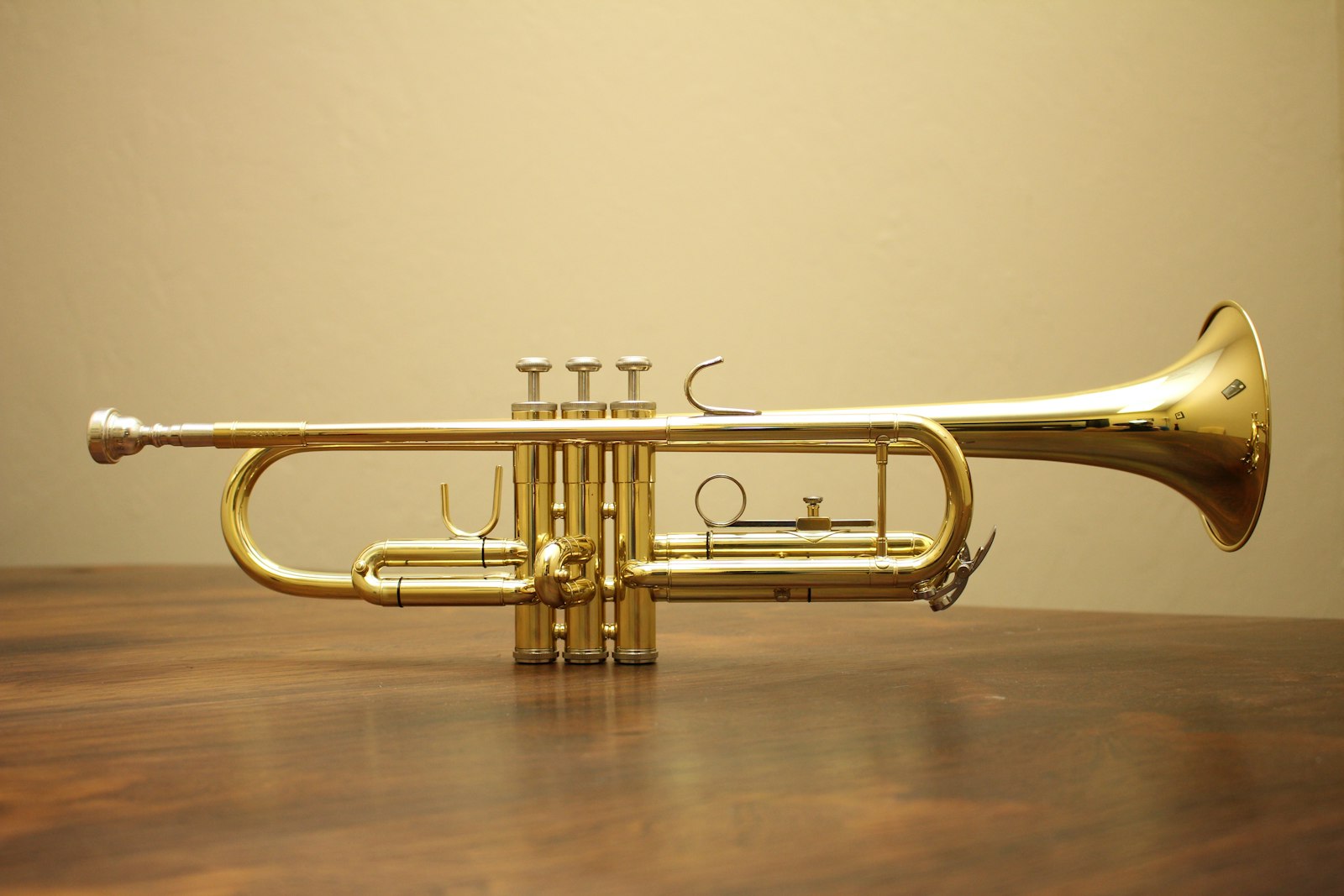
Tell your dentist whether you play trumpet, saxophone, clarinet, flute, horn, oboe, or another wind instrument. Explain how often you perform, whether you are a professional, conservatory student, teacher, or serious amateur, and whether an important audition, recording session, performance, or tour is approaching.
You may also be aware of exactly where the mouthpiece contacts your lips or teeth or of a particular tooth contour that has always influenced your playing.
The dental treatment may ultimately be straightforward, but the planning should reflect the life of the person receiving it.
Preserve Information Before Making a Significant Change
One of the advantages of modern restorative dentistry is the ability to create detailed records before changing a tooth.
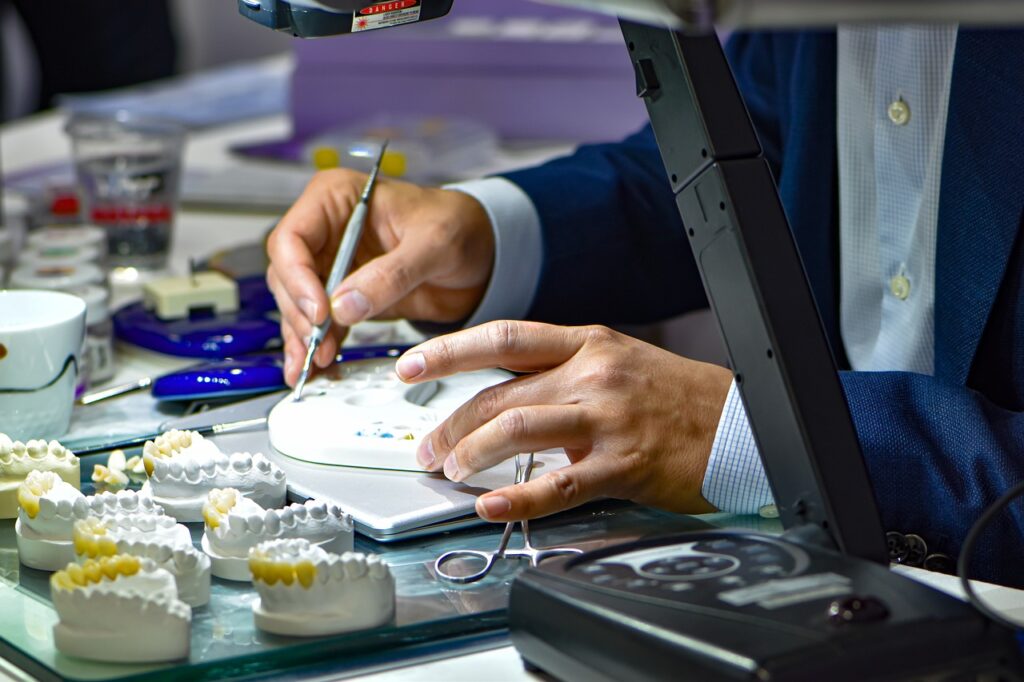
Photographs, digital intraoral scans, traditional impressions, bite records, and documentation of the existing tooth shape may all be useful when a visible tooth needs significant treatment.
For a musician, these records can preserve information about the contours and positions the mouth has adapted to over many years. Published research on wind musicians has specifically discussed impressions and three-dimensional intraoral scans as valuable records when reconstruction becomes necessary.
This does not mean a damaged tooth should always be reproduced exactly as it was. It means the dentist should understand what existed before deciding what should change.
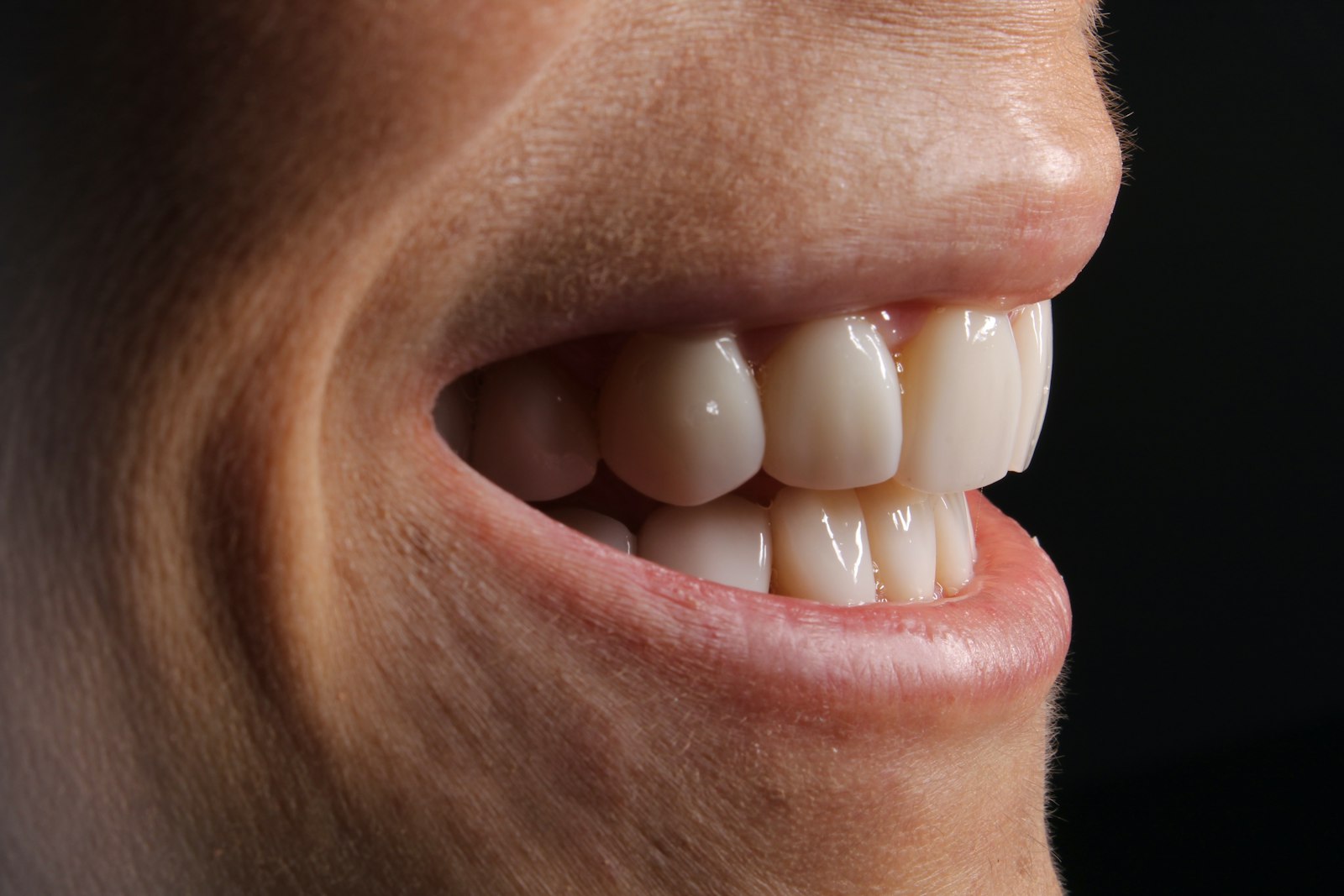
A Front Crown Has to Do More Than Look Beautiful
Most patients judge a visible dental restoration primarily by what they see in the mirror.
A musician may judge it just as much by what they feel.
Does the lip contact the tooth differently? Does the mouthpiece settle in the same position? Does the edge of the new restoration feel longer or more prominent? Has articulation changed? Does the bite feel subtly different?
A restoration can be visually beautiful and still require adjustment because the patient experiences it functionally.
That does not mean every unfamiliar sensation indicates something is wrong. Some changes simply require a period of adaptation. The important point is that the musician’s experience should be part of the conversation rather than dismissed as irrelevant.
When the Tooth Cannot Be Saved
If an important tooth is lost, replacement options depend on the individual clinical situation. These may include a bridge, an implant-supported crown, or another prosthodontic solution.
For a musician, the usual restorative considerations still apply: health, stability, aesthetics, function, cleanability, and long-term maintenance. The performance context simply adds another layer.
The dentist may need to think carefully about the position and contour of the replacement tooth, the relationship with the lip and mouthpiece, and whether provisional treatment can provide useful information before the final restoration is completed.
A prosthodontist‘s advanced training in crowns, bridges, implants, missing teeth, and complex function can be particularly valuable when these variables come together.
Why Temporary Restorations Can Be Important
The word temporary sometimes makes patients assume that a provisional restoration is an unimportant stage between the problem and the final result.
In sophisticated restorative care, the opposite can be true.
A provisional restoration may sometimes provide useful information about tooth position, speech, comfort, appearance, and bite. For a wind musician, it may also create an opportunity to evaluate how a proposed contour interacts with the lips and instrument before a definitive restoration is finalized.
This is not necessary or possible in every case. When professional performance depends on subtle physical relationships, however, the ability to gather that information can be valuable.
Timing Matters for Performing Artists
If an important performance is approaching, tell the dental team before treatment begins.
Some dental procedures are relatively simple. Others require laboratory work, healing, provisional stages, or several appointments. A long-standing cosmetic concern that has been present for years may not need to be completely redesigned days before an audition or tour.
When treatment can safely wait until a less demanding period, that may be worth discussing. If a problem requires more immediate attention, the dentist can explain what is realistic.
High-touch care should account for the patient’s professional life without compromising clinical judgment.
Boston’s International Music Community
Boston and Cambridge attract musicians and students from around the world through conservatories, universities, festivals, orchestras, performance venues, and visiting artist programs.
Dental Restorative Group also sees patients traveling for specialized restorative and implant care. For an out-of-state or international musician facing a complex issue, previous X-rays, photographs, scans, or dental records may be useful when available.
An in-person examination is still required before treatment can be confirmed, and complex care should not be compressed simply because a patient has already arranged travel.
When performance matters, bring the entire story. In selected situations, bringing the mouthpiece may also help explain exactly what the patient is feeling.
The Best Restoration Eventually Becomes Quiet
In many areas of dentistry, success means the patient gradually stops thinking about the restoration.
It looks appropriate. It feels stable. It functions comfortably. It simply becomes part of everyday life.
For a musician, that idea has particular elegance.
The attention should eventually return to tone, breath, phrasing, timing, expression, and the music itself.
Not the front tooth.
Frequently Asked Questions
Can changing a front tooth affect trumpet or saxophone playing?
It may in some individuals. Dental and orofacial changes can influence embouchure, but the effect varies according to the instrument, the tooth involved, the size of the change, and the individual musician.
Should I tell my dentist what instrument I play?
Yes, particularly when treatment involves front teeth, the bite, or structures that interact with the lips, tongue, or mouthpiece.
Should my teeth be scanned before major restorative treatment?
Digital scans, photographs, impressions, and other records can be useful before changing important tooth contours. The appropriate records depend on the individual case.
Can a musician receive a dental implant?
Yes, musicians may be candidates for implant treatment, but treatment must be individualized. For teeth involved in embouchure, final restoration position and contour may deserve additional attention.
Should I bring my instrument to a dental appointment?
In selected situations, a mouthpiece or instrument may help the patient demonstrate where contact occurs and what feels different. Ask the office before bringing it.
Begin With a Conversation
Musicians facing significant treatment involving front teeth, crowns, bridges, dental implants, or bite changes should let their dentist know how their teeth relate to their instrument before treatment begins.
Dr. Min Jeong provides detailed restorative and prosthodontic care, including treatment involving highly visible anterior teeth. Dr. John Chang provides advanced prosthodontic and implant care when the restorative situation becomes more complex.
Dental Restorative Group, 385 Concord Avenue, Suite 100, Belmont, MA 02478617-489-1470
Dental Restorative Group serves Belmont, Cambridge, Boston, New England, and patients traveling for specialized care.
This article provides general educational information. Dental treatment for musicians should be individualized according to oral health, restorative needs, instrument, and performance requirements.