November is Diabetes Awareness Month, a good moment to talk about a connection many people with diabetes have never been told about. Diabetes and gum disease are closely linked, and the relationship runs in both directions. Diabetes makes gum disease more likely and more severe, and gum disease, in turn, can make blood sugar harder to control.
That two-way link is often described as one of the clearest examples of how the mouth and the rest of the body affect each other. The encouraging part is that it also works in your favor: looking after your gums is one of the practical things you can do to support your diabetes management. Here is how the connection works and what it means day to day.
How Diabetes Affects Your Gums
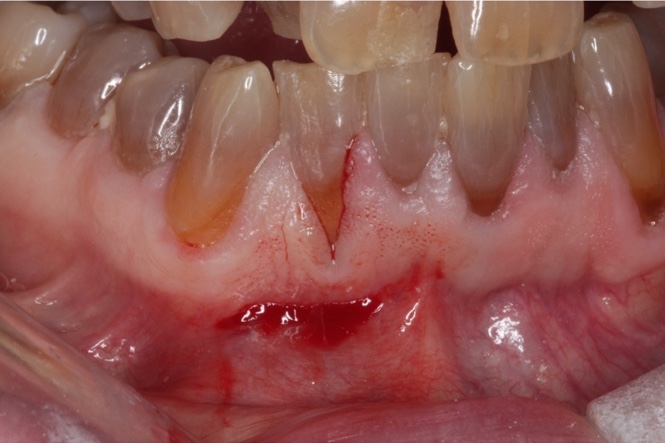
Gum disease, or periodontitis, is a chronic infection and inflammation of the tissues and bone that hold the teeth in place. Diabetes, particularly when blood sugar runs high over time, changes the conditions in which that infection develops. Elevated glucose affects the small blood vessels in the gums, weakens the body’s response to bacteria, and slows healing, so the same amount of plaque can cause more damage in someone with diabetes.
The result is that people with diabetes are significantly more likely to develop gum disease, and it tends to progress faster and be more severe when blood sugar is poorly controlled. This is not a judgment about anyone’s habits; it is a well-documented physiological effect, which is exactly why regular periodontal checkups matter so much for people living with diabetes.
How Gum Disease Affects Blood Sugar
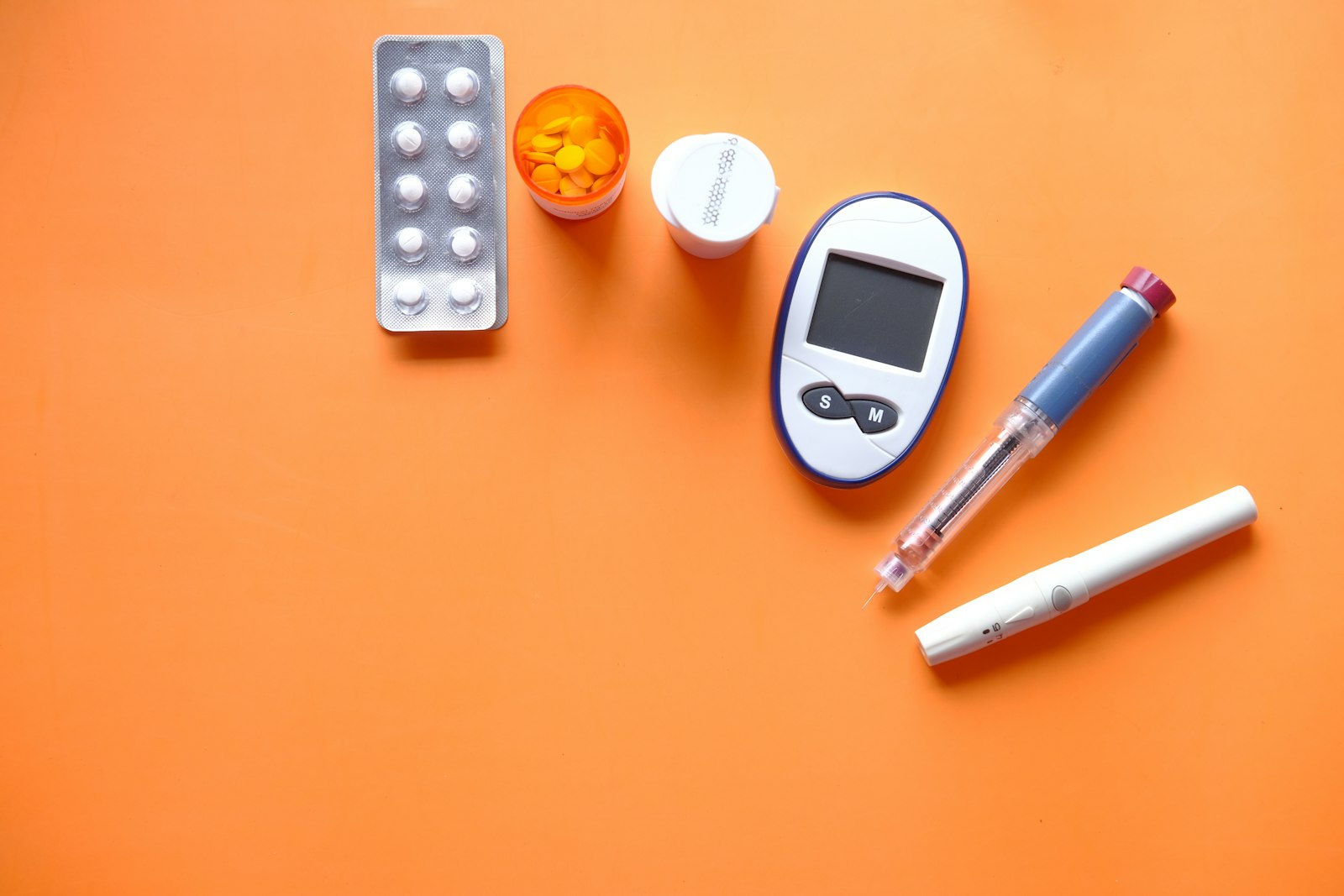
The other direction of the relationship is less well known. Active gum disease is a persistent source of inflammation, and that inflammation does not stay neatly in the mouth. Inflammatory signals from infected gums circulate through the body and can increase insulin resistance, which makes it harder to keep blood sugar in a healthy range.
Research has found that people with diabetes and severe gum disease tend to have poorer glucose control, and that treating gum disease is associated with modest but meaningful improvements in long-term blood sugar measures such as HbA1c. Periodontal treatment is not a substitute for any part of your medical care, but it removes one source of inflammation working against you.
Warning Signs to Watch For
Early gum disease is often painless, which is why it is easy to miss. If you have diabetes, these are worth paying attention to:
- Gums that bleed when you brush or floss, even a little.
- Red, swollen, or tender gums, or gums that seem to be pulling away from the teeth.
- Persistent bad breath or a bad taste that does not go away.
- Teeth that feel loose, have shifted, or bite together differently than before.
- Sores or infections in the mouth that are slow to heal.
- A dry mouth, which is common with diabetes and raises the risk of both decay and gum problems.
None of these signs should be ignored or put down to brushing too hard. Caught early, gum disease is far easier to manage, and the stages of gum disease are much more forgiving at the start than at the end.
The Link at a Glance
| Direction | What happens | What helps |
|---|---|---|
| Diabetes → gums | High glucose weakens defenses and slows healing, so gum disease develops faster | Good glucose control plus regular periodontal checkups |
| Gums → diabetes | Gum inflammation increases insulin resistance, making glucose harder to control | Treating gum disease and keeping it in maintenance |
| Both together | Each condition can make the other worse over time | Coordinated care between your dentist and physician |
Because the loop runs both ways, improving either side tends to help the other, which is a genuinely useful thing to know.
Dental Treatment When You Have Diabetes
Having diabetes does not rule out any kind of dental care, including crowns, bridges, or dental implants. Well-controlled diabetes is generally compatible with implant treatment, though healing may be monitored more closely and good glucose control before and after surgery helps. Planning simply takes your overall health into account, the same way a careful plan considers bone, bite, and gum condition.
A few practical points make visits smoother: keep your usual meal and medication routine on the day of treatment, bring a quick source of sugar in case your levels drop, and tell your dental team about your latest HbA1c and any changes to your medications. If you are planning extensive work, a coordinated approach with your physician is always worthwhile.

Everyday Habits That Protect Both
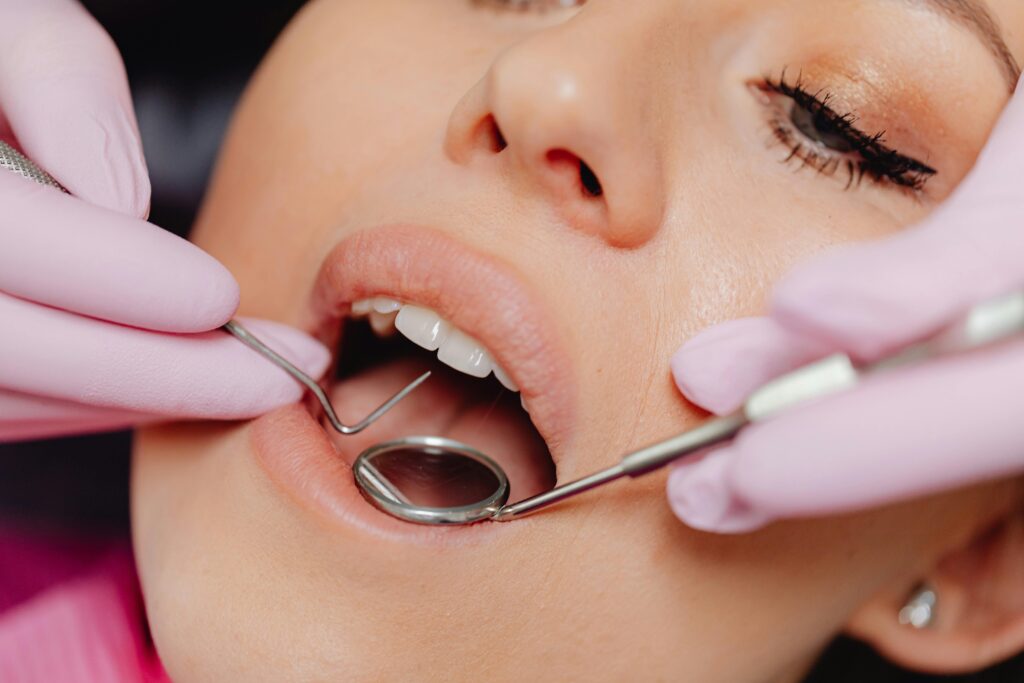
The habits that protect your gums are simple and familiar: brush twice a day with a soft brush, clean between your teeth daily with floss or interdental brushes, avoid smoking, and keep up with professional cleanings. Many people with diabetes benefit from cleanings more often than twice a year, especially if they have had gum disease before; your dentist can advise on the right interval.
Staying hydrated and managing dry mouth helps too, as does keeping your blood sugar as steady as you can. Think of your dental checkups as one more part of your diabetes routine, alongside eye exams and foot checks. It is the same body, and it benefits from the same consistent attention.
Frequently Asked Questions
Does diabetes cause gum disease?
Diabetes does not cause gum disease on its own, but it makes it significantly more likely and often more severe, especially when blood sugar is poorly controlled. High glucose weakens the gums’ defenses against bacteria and slows healing.
Can gum disease raise blood sugar?
Yes. Gum disease produces chronic inflammation that can increase insulin resistance, making blood sugar harder to control. Treating gum disease has been associated with modest improvements in long-term measures such as HbA1c.
Can people with diabetes get dental implants?
Generally yes, when diabetes is well controlled. Healing may be monitored more closely, and good glucose control before and after treatment helps. Your dentist will plan around your overall health and may coordinate with your physician.
How often should someone with diabetes see the dentist?
At least twice a year, and often more frequently if you have had gum disease. Your dentist can recommend a cleaning interval based on the health of your gums and how well your diabetes is controlled.
What are early signs of gum disease with diabetes?
Bleeding, red, or swollen gums, persistent bad breath, gums pulling away from teeth, slow-healing sores, and dry mouth. Early gum disease is often painless, so regular checkups are important.
Make Your Gums Part of Your Diabetes Plan
Diabetes and gum health move together, so caring for one supports the other. If your gums bleed or you are due for a checkup, contact Dental Restorative Group at 617-489-1470.
Dental Restorative Group, 385 Concord Avenue, Suite 100, Belmont, MA 02478. Phone: 617-489-1470.
This article provides general educational information and does not constitute dental or medical advice, nor a quote for treatment. Costs and clinical recommendations vary by individual; please consult a qualified dental professional about your own situation.