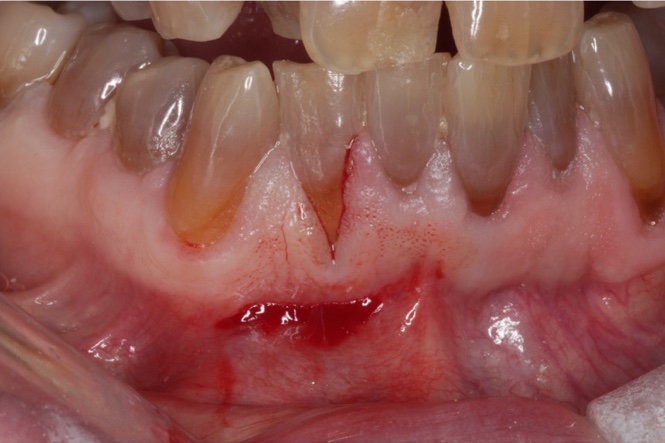
Gum recession is one of those problems that develops so slowly you may not notice it until a tooth looks longer than it used to, or a cold drink sends a jolt through it. It happens when the gum tissue around a tooth pulls back, exposing more of the tooth and eventually its root.
It is extremely common, and while a small amount may seem harmless, recession can expose you to sensitivity, decay, and, if it is part of gum disease, the loss of the support your teeth depend on. Understanding why it happens is the first step to stopping it.
What Causes Gums to Recede
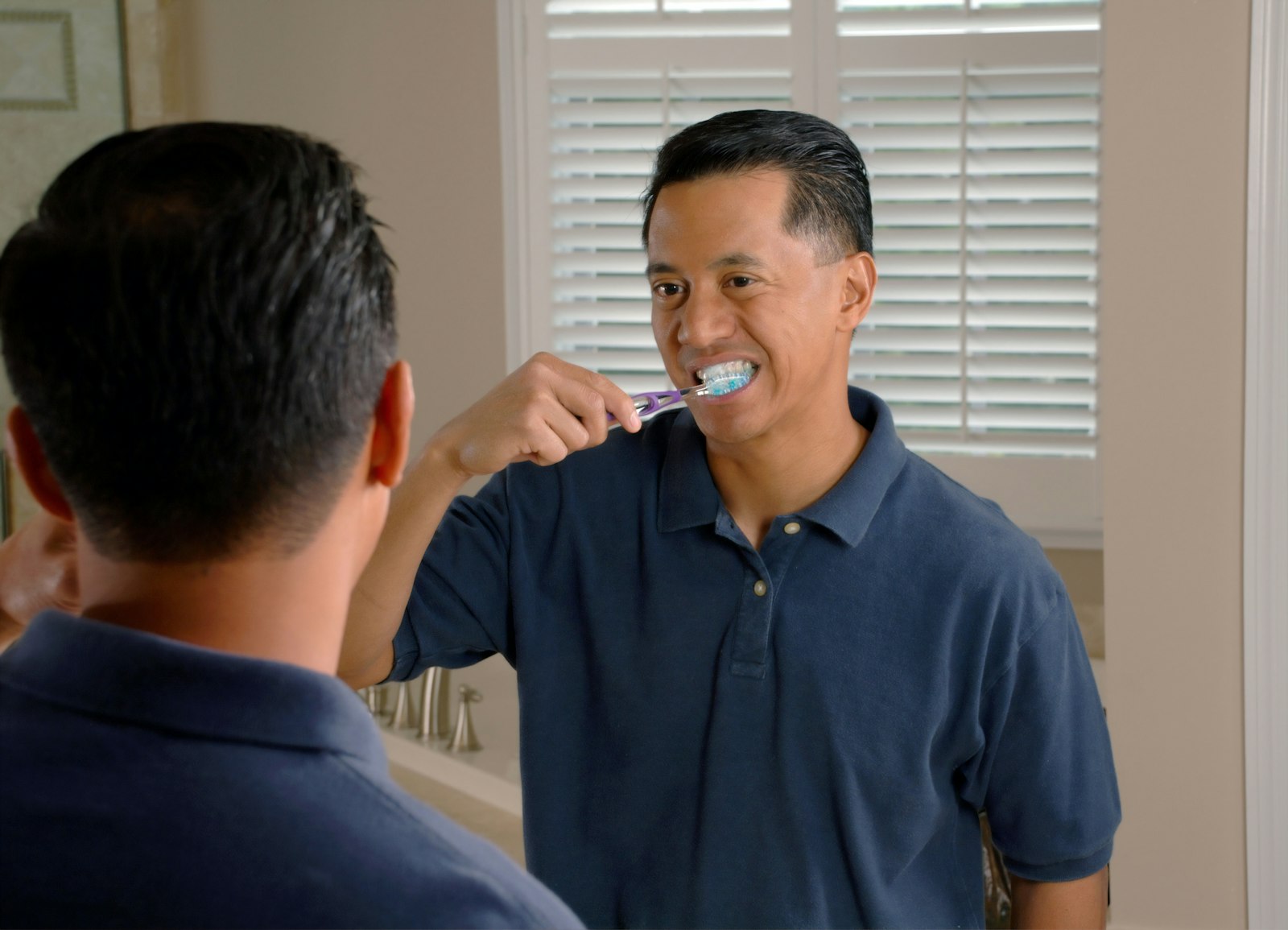
Recession has several common causes, and often more than one is at work. Gum disease is a leading one, as infection destroys gum and bone. But healthy gums recede too, from brushing too hard or with a stiff brush, from grinding and clenching that stress the gumline, from a lifetime of wear, and sometimes simply from thin gum tissue you were born with.
Tobacco use, a history of orthodontics, and even a lip or tongue piercing that rubs the gums can contribute. Because the causes differ so much, effective treatment depends on identifying the right one.
Why Recession Matters
Exposed roots are more vulnerable than the crown of the tooth. The root is not protected by enamel, so it is more prone to sensitivity and to decay, and the notch where gum has receded can trap plaque. Recession can also look concerning, making teeth appear long and creating dark gaps near the gumline.
Most importantly, when recession is a sign of advancing gum disease, it reflects a loss of the bone and tissue that hold teeth in place. Left unchecked, that can eventually loosen teeth, which is why recession is worth taking seriously rather than ignoring.
Catching It Early
A few signs are worth watching for:
- Teeth that look longer, or a visible notch where the tooth meets the gum.
- New or increasing sensitivity to hot, cold, or sweet near the gumline.
- Gums that look red or swollen, or that bleed when you brush.
- A tooth that feels slightly loose, or a change in how teeth fit together.
Because recession does not grow back on its own, catching it early is what keeps the treatment simple and protects the tooth.
How Gum Recession Is Treated
Treatment depends on the cause and severity. Mild recession is often managed by removing the cause, switching to a soft brush and gentle technique, treating grinding with a nightguard, or addressing gum disease with professional cleaning and, if needed, deeper periodontal therapy. Desensitizing treatments can ease the sensitivity in the meantime.
For more significant recession, a gum graft can cover the exposed root, reduce sensitivity, protect against decay, and improve appearance. The right approach follows from a proper evaluation, and where recession is tied to gum disease, treating the disease comes first.
What a Gum Graft Involves
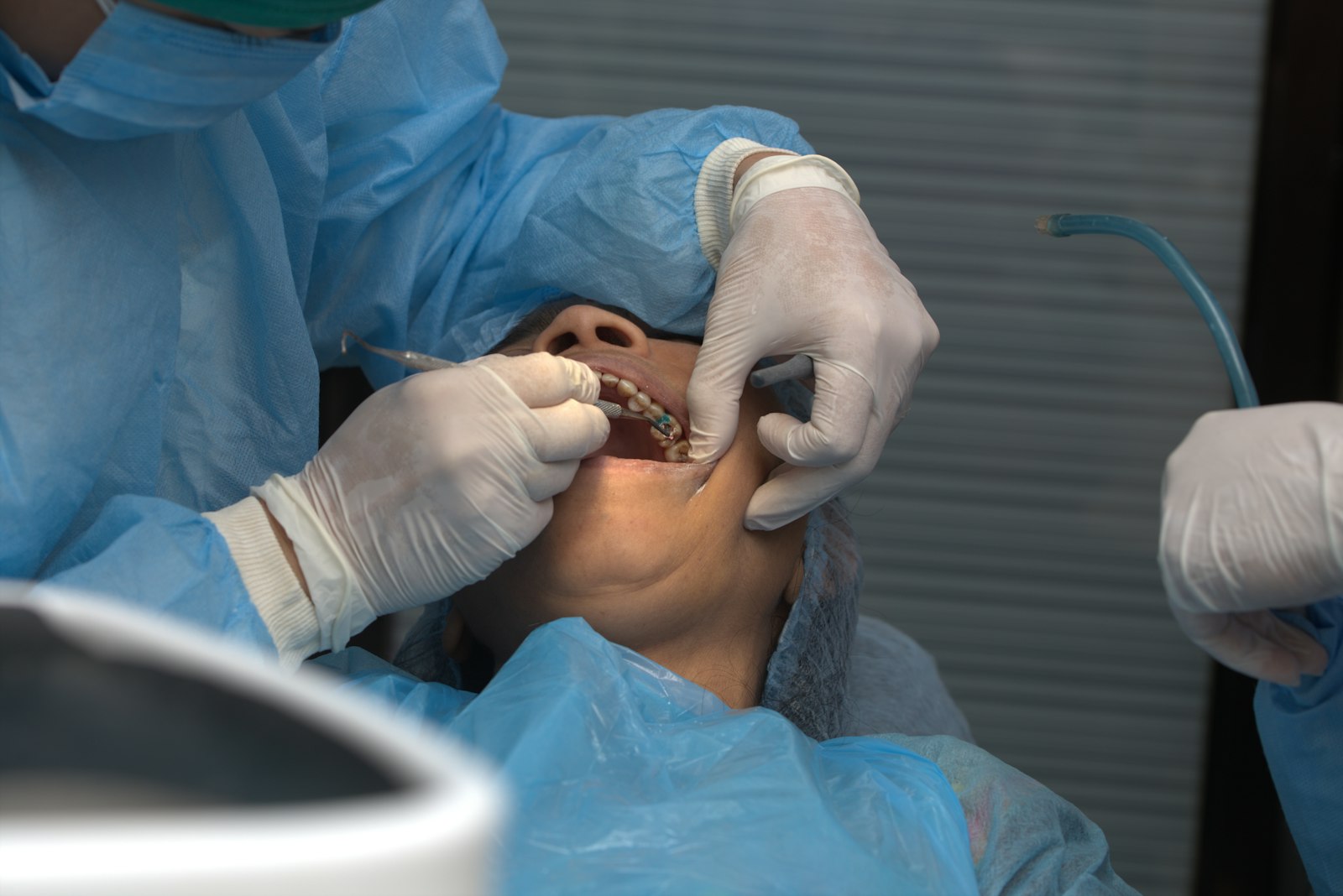
When recession is significant, a gum graft is the treatment that actually covers the exposed root. A thin layer of tissue, often taken from the roof of the mouth or from a prepared donor source, is placed over the receded area to rebuild the gum. It reduces sensitivity, protects the root from decay, and improves how the gumline looks.
Modern grafting techniques are more comfortable and predictable than their reputation suggests, and recovery is usually straightforward. Whether a graft is right for you depends on the extent of the recession and its underlying cause, which an evaluation determines. In many cases the improvement in comfort and appearance is noticeable well before healing is fully complete.
Protecting Your Gums for the Long Term
The best outcome is preventing recession from worsening. Gentle brushing with a soft brush, daily flossing, not smoking, protecting against grinding, and keeping regular checkups all help. Because early recession is easy to miss, professional monitoring is often what catches it in time.
If you have noticed a tooth looking longer or a new sensitive spot at the gumline, it is worth having it evaluated. Where recession has contributed to gum disease or tooth loss, restoring the mouth is exactly the kind of care our practice coordinates from healthy gums outward.
Frequently Asked Questions
What causes gum recession?
Common causes include gum disease, brushing too hard or with a stiff brush, grinding and clenching, tobacco use, thin gum tissue, and a lifetime of wear. Often more than one factor is involved.
Is gum recession serious?
It can be. Exposed roots are more prone to sensitivity and decay, and when recession reflects advancing gum disease, it means the bone and tissue supporting the tooth are being lost, which can eventually loosen teeth.
Can receding gums grow back?
No, gum tissue that has receded does not grow back on its own. Treatment focuses on stopping further recession and, where needed, a gum graft can cover the exposed root.
How is gum recession treated?
Treatment depends on the cause: removing it (gentle brushing, a nightguard for grinding, treating gum disease) for mild cases, and a gum graft to cover exposed roots for more significant recession.
How can I prevent gum recession from getting worse?
Brush gently with a soft brush, floss daily, avoid tobacco, protect against grinding, and keep regular checkups so any recession is caught and addressed early.
Protect Your Gums and Roots
Gum recession is easiest to manage when caught early. If a tooth looks longer or feels newly sensitive, contact Dental Restorative Group at 617-489-1470 for an evaluation.
Dental Restorative Group, 385 Concord Avenue, Suite 100, Belmont, MA 02478. Phone: 617-489-1470.
This article provides general educational information and does not constitute dental or medical advice, nor a quote for treatment. Costs and clinical recommendations vary by individual; please consult a qualified dental professional about your own situation.