For a long time, dentistry asked patients to take a great deal on faith. You agreed to treatment and hoped the result would match what you pictured. Digital dentistry has changed that. Today, much of the plan can be designed, tested, and even previewed before any treatment begins, so far less is left to chance.
Two tools sit at the center of this shift: digital smile design and 3D-guided implant planning. Together they make treatment more precise, more predictable, and easier to understand, because you can see where it is going before it starts.

Seeing the Result Before You Commit
Digital smile design uses photographs, scans, and specialized software to design your smile as a visual plan. Instead of describing what a result might look like, we can show it, mapping the shape, proportion, and arrangement of teeth to your face and your goals. It turns an abstract conversation into something you can actually see and react to.
That preview matters for more than reassurance. It lets you take part in the decision, ask for adjustments early, and move forward with confidence because you already know the direction. The design becomes a shared blueprint rather than a surprise at the end.
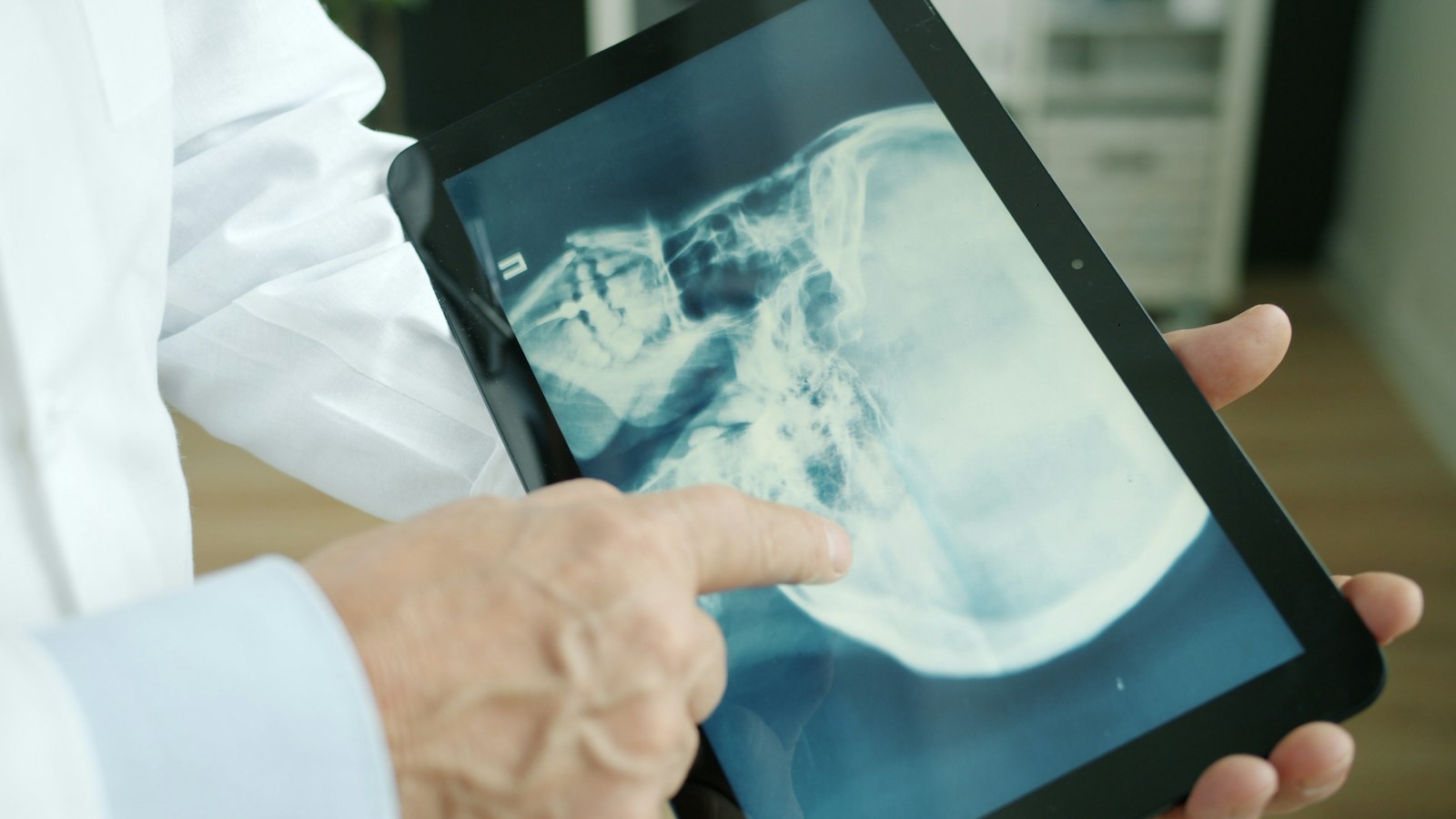
3D-Guided Implants: Precision You Can Plan
For implants, 3D imaging (a cone-beam CT scan) creates a detailed model of your jaw, including the bone, nerves, and sinuses. On that model, the implant can be positioned virtually, in exactly the right place, angle, and depth, before the day of surgery. The plan is then transferred to the mouth with a custom surgical guide.
The benefits are practical: more accurate placement, treatment designed around your anatomy, and a procedure that is often more efficient and predictable. Planning the surgery digitally means fewer surprises during it.
Why Planning Ahead Changes the Outcome
The real advantage of digital planning is that it aligns the whole treatment from the start. When the final result is designed first, every step, from implant position to the shape of the final tooth, is aimed at that goal rather than improvised along the way. This is especially valuable for the front of the smile and for complex cases.
Good technology does not replace judgment; it sharpens it. A carefully designed plan, guided by an experienced clinician, is what turns advanced tools into a better, more natural result.
What Digital Dentistry Feels Like as a Patient
For you, the experience is usually more comfortable and more informative. Digital scans often replace messy impressions, planning is explained with images you can understand, and you leave knowing what to expect. A few things digital workflows commonly make possible:
- A visual preview of your planned smile before treatment starts.
- More accurate, guided implant placement based on your own anatomy.
- Comfortable digital scans instead of traditional putty impressions.
- Clearer communication, because you can see the plan, not just hear it.
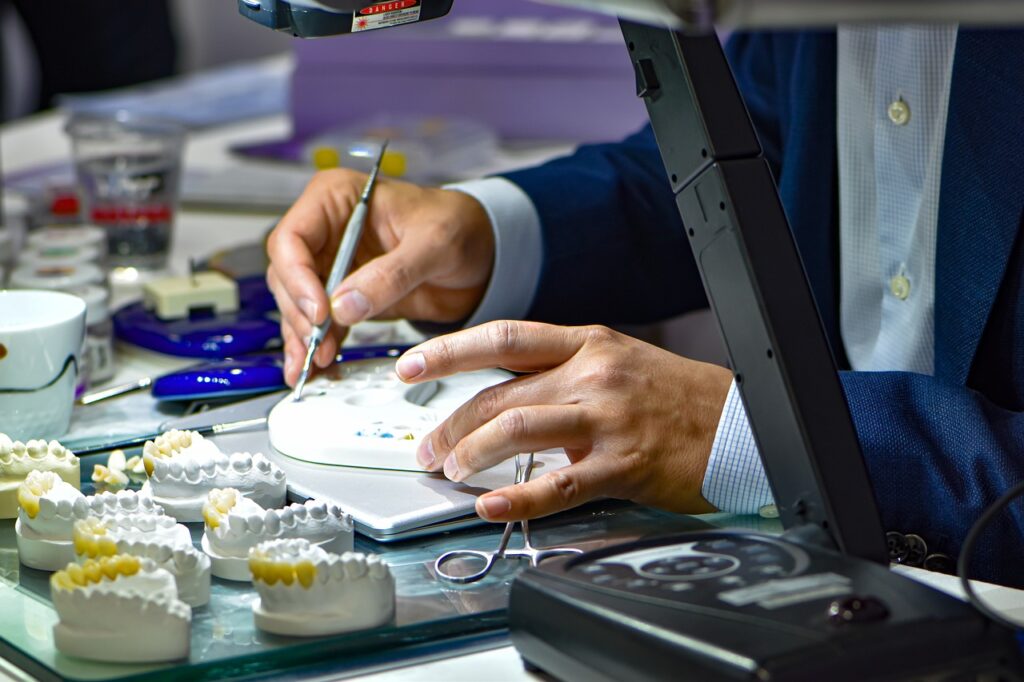
- Restorations designed for a precise fit and a natural appearance.
Technology, used well, mostly disappears into a smoother experience and a more predictable result.
Who Gains the Most From Digital Planning
Digital planning helps almost any patient, but its value is greatest where accuracy and appearance matter most. For an implant at the front of the mouth, where a millimeter shows, designing the position and the final tooth in advance protects the esthetic result. For full-arch and complex reconstructions, it keeps many moving parts aligned toward a single plan.
It is also reassuring for anyone who feels anxious about committing to treatment. Being able to see and discuss the plan first replaces uncertainty with understanding, which makes the whole decision feel far less daunting and helps you move forward on your own terms.
Technology in Experienced Hands
The most advanced tools still depend on the person using them. As a prosthodontist, Dr. John Chang combines digital planning with specialist training in restoring and replacing teeth, so the plan reflects not just what software can draw but what will actually look and function well for years.
If you are considering implants or a smile makeover, digital planning is a reason for optimism: you no longer have to simply hope for a good outcome when you can help design it first. Understanding what drives implant treatment and cost becomes far easier when you can see the plan.
Frequently Asked Questions
What is digital smile design?
Digital smile design uses photos, scans, and software to design your smile as a visual plan before treatment. It lets you preview the proposed result and take part in shaping it, rather than waiting to see the outcome at the end.
What are 3D-guided dental implants?
3D-guided implants are planned on a detailed cone-beam CT model of your jaw, so the implant’s position, angle, and depth are decided virtually before surgery and transferred with a custom guide for accurate placement.
Is digital implant planning more accurate?
Planning implants on a 3D model of your own anatomy allows precise, pre-determined placement and a procedure designed around your bone, nerves, and sinuses, which supports accuracy and predictability.
Can I really see my smile before treatment?
In many cases, yes. Digital smile design can show a visual preview of the planned result, so you can give input and move forward with a clear idea of the direction before treatment begins.
Does technology replace the dentist’s skill?
No. Digital tools support the clinician’s judgment; they don’t replace it. A well-designed plan guided by an experienced prosthodontist is what turns technology into a natural, lasting result.
See Your Plan Before You Begin
Modern planning means you can help design your result before treatment starts. To explore digital smile design or guided implants, contact Dental Restorative Group at 617-489-1470.
Dental Restorative Group, 385 Concord Avenue, Suite 100, Belmont, MA 02478. Phone: 617-489-1470.
This article provides general educational information and does not constitute dental or medical advice, nor a quote for treatment. Costs and clinical recommendations vary by individual; please consult a qualified dental professional about your own situation.