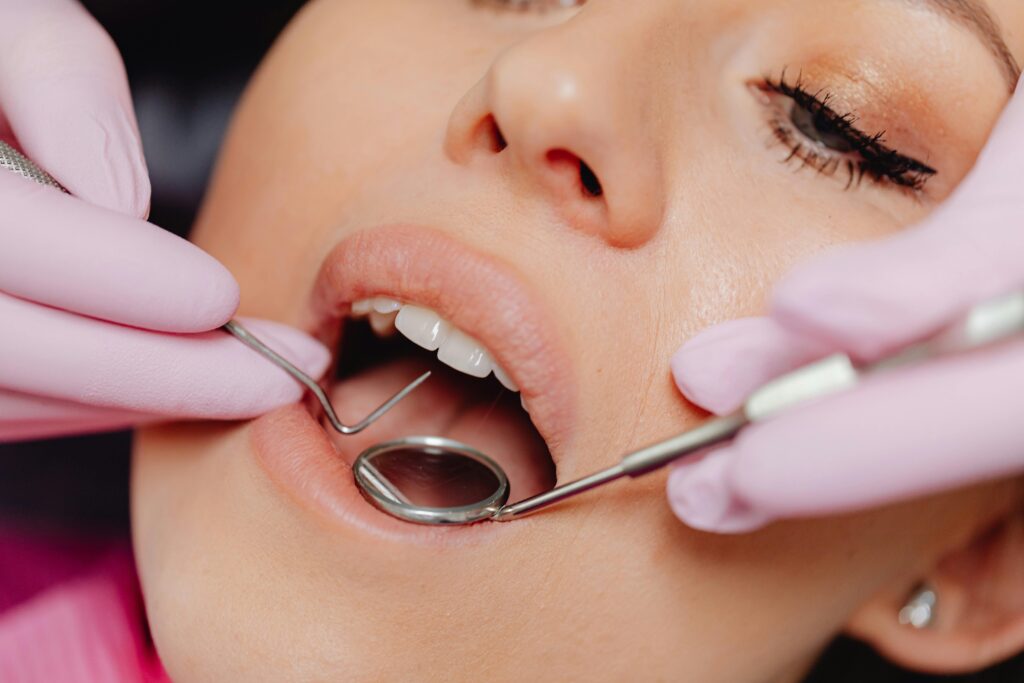
Having oral surgery performed doesn’t give you a pass on practicing proper oral hygiene during your recovery. Now more than ever, it’s important that you follow Dr. Chang’s orders to make sure you are properly caring for your teeth and mouth, not only to promote good dental care, but also to follow special measures you should take when recovering from surgery.
Here are 6 oral hygiene tips that Belmont oral surgery patients should follow after their procedures:
- Gently Swish Warm Water in Your Mouth 5- 6 Times a Day, Especially After Eating Meals
After you’ve had oral surgery, the most important thing a Belmont dental patient can do is keep his or her mouth clean. However, that sounds easier said than done if you’re still bleeding from your procedure, and your mouth is swollen.
To keep your mouth clean, Dr. Chang recommends you gently – not rigorously – rinse your mouth with warm water at least 5-6 times a day, especially after eating meals. These gentle mouth rinses will help clear any food debris from your mouth, without having to worry about brushing around sensitive surgical sites. - If You’re Bleeding After Your Oral Surgery, Replace Gauze Every Few Hours
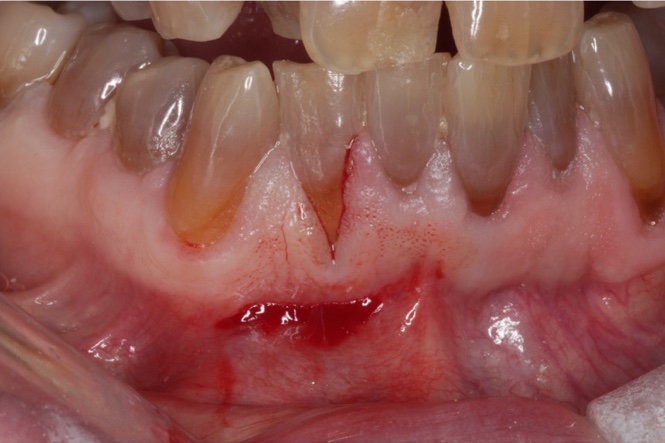
Managing Bleeding and Changing Gauze
With some oral surgeries, Belmont patients will experience ongoing bleeding the day of their procedure and be sent home with gauze in their mouth. For sanitation reasons, and to ensure the gauze is able to soak up new blood, it’s important that you switch out your gauze every few hours until bleeding has ended. - No Rigorous Brushing and No Brushing at Your Surgical Site
The day after your Belmont oral surgery, you’re likely going to want to brush your teeth. After all, you don’t want to be walking around the house all day with morning breath, do you?
If you’re going to brush, it’s important that you brush gently – not rigorously. Also, don’t brush your surgical site. It’ll be too sensitive at this point during your recovery to withstand the bristles of your toothbrush, no matter how gently you apply them. - Don’t Floss if You Had a Gum Procedure Performed
When to Pause Flossing After Surgery
You probably never expected Dr. Chang to tell you not to floss, but recovering from oral surgeries is a time to temporarily suspend this activity. This is especially true if you had any gum work performed. Whether you had crown lengthening or a gum graft, lay off the floss for a few days until Dr. Chang clears you to resume this dental hygiene activity. - Refrain from Using Antibacterial Mouthwashes Until Dr. Chang Clears You to Resume Using Them
Hold Off on Antibacterial Mouthwash
Using antibacterial mouthwash once a day is a good part of proper oral hygiene. But doing so immediately after oral surgeries isn’t advised. The antibacterial properties or ingredients that create the mouthwash flavor may be too harsh for your mouth after surgery, especially if you have exposed jawbone tissue such as after a tooth extraction. - If Given Antibiotics, Take Them Exactly As Prescribed
Taking Antibiotics Exactly as Prescribed
Sometimes, Belmont patients are prescribed antibiotics after their oral surgeries. This is especially true for patients who may have any pre-existing heart conditions. If Dr. Chang gives you antibiotics to take during your recovery, make sure you take each pill exactly as prescribed. And yes, this means you may have to wake up at 4:00 am so that you won’t miss a dose.
Learn More Recovery Tips
Ask Our Belmont Team About Recovery
Whether you have a procedure on the horizon or you’re at home recovering right now, our team is always available to answer your post-op questions, and specifically, ask Dr. Chang about your case if you are experiencing anything you think may be out of the ordinary.
Contact our office in Belmont today at (617) 489-1470!
Related Reading
- Is Oral Surgery Safe When Taking Blood Thinning Medication?
- Should I Eat Something Before Oral Surgery?
- 5 Safe Foods to Eat After Oral Surgery
- Traveling After Dental Surgery: What You Need to Know Before Hitting the Road This Summer
- How Soon Can I Drive After Receiving Anesthesia for Oral Surgery?
Frequently Asked Questions
How do I keep my mouth clean after oral surgery?
Gently swish warm water in your mouth five to six times a day, especially after meals. Rinsing gently rather than rigorously clears food debris without disturbing sensitive surgical sites. Dr. Chang will also give you instructions specific to the procedure you had performed.
When can I brush my teeth after oral surgery?
You will usually want to brush the day after surgery. Brush gently rather than rigorously, and do not brush the surgical site itself, since it is too sensitive to withstand toothbrush bristles at that point. Resume brushing there only when Dr. Chang clears you.
How often should I change gauze after oral surgery?
With some oral surgeries, patients continue bleeding on the day of the procedure and go home with gauze in the mouth. Switch the gauze every few hours until the bleeding has ended, both for sanitation and so fresh gauze can soak up new blood.
Can I floss after gum surgery?
Hold off on flossing for a few days after gum procedures such as crown lengthening or a gum graft. Flossing near healing tissue can disturb it. Resume this part of your hygiene routine only once Dr. Chang clears you to do so.
Can I use mouthwash after oral surgery?
Antibacterial mouthwash once a day is a good habit, but using it immediately after oral surgery is not advised. The antibacterial ingredients and flavoring agents may be too harsh for a healing mouth, especially if jawbone tissue is exposed after a tooth extraction.
Do I have to finish my antibiotics after oral surgery?
If Dr. Chang prescribes antibiotics during your recovery, take each pill exactly as prescribed, even if a dose falls in the middle of the night. Antibiotics are prescribed especially often for patients who have pre-existing heart conditions. Call the Belmont office with any questions.