Have you noticed that your gums are receding from your teeth? Are you starting to be able to see the roots of your teeth, and are you concerned about how that look affects your smile? If you’ve noticed that your gums are receding, it may be time to consider getting a gum grafting procedure. But, what does a gum grafting procedure entail, and what are the reasons to consider getting it done? Read on as the dental specialists at Belmont’s Dental Restorative Group explain why Belmont patients should consider gum grafting?
What is Gum Grafting?
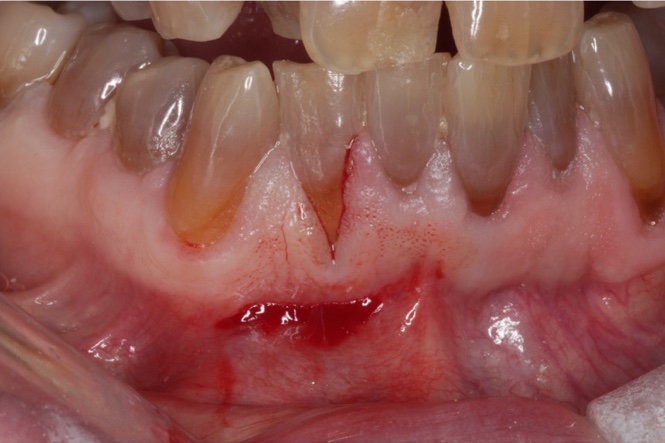
Gum grafting is when one of Belmont’s Dental Restorative Group’s prosthodontists uses tissue from your mouth to replace worn out gums that are receding from your teeth, either from gum disease, poor tooth brushing habits or a hereditary condition. Using micrografting techniques, Dental restorative Group’s prosthodontists are able to obtain donor tissue from sites where other dentists cannot, thus making the gum grafting process easier to tolerate for Belmont and Great Boston area patients.
Why Would I Consider Getting Gum Grafting?
There are several reasons for Belmont patients to consider getting gum grafting, including:
-
An Unattractive Smile.
Your smile is one of the first things that people notice about you, and if you have receding gums that are causing your teeth’s roots to show, it can cause you to be self-conscious of your smile. Gum grafting can restore the aesthetics of your beautiful smile, giving you the confidence you need to greet everyone with a wide smile, showing off your pearly whites.
-
Root Sensitivity.
Receding Gums and Root Sensitivity
As gums recede and your roots begin to show, you can experience the pain and discomfort of root sensitivity. Your teeth may suddenly become sensitive to hot, cold or sugary food and beverages, and these new, uncomfortable sensations can become unbearable. Gum grafting can cover your gums and eliminate root sensitivity so that you can eat and drink as you normally do.
-
Loss of Supporting Bone.
If your gums continue to recede untreated, you may risk the loss of bone that holds your teeth roots in your mouth. It is dangerous whenever you lose any bone structure as it can lead to tooth loss.
-
Tooth Decay.
Exposed Roots and Tooth Decay
The more of your teeth that are exposed, the more susceptible they are to tooth decay. Exposed by recession root are especially vulnerable to decay. Gum grafting can protect your teeth from decay, meaning that you are more likely to keep your teeth for a lifetime.
-
Risk of Future Recession.
If you are showing the initial signs of gum recession, you may want to have gum grafting done now to prevent the complications of the condition in the future. Additionally, if you have a family history of receding gums and are showing signs of it yourself, it may be appropriate for you to have gum grafting.
Call Us for More Info.
If you have receding gums and are curious to learn more about gum grafting, call our Belmont offices today for an examination and consultation at (617) 489-1470.
Related Reading
- Symptoms of Gum Recession
- What Are My Options for Gum Recession?
- 10 Reasons To Consider Dental Implants
Frequently Asked Questions
What is gum grafting?
Gum grafting is when a prosthodontist uses tissue from your own mouth to replace worn out gums that are receding from your teeth. Micrografting techniques allow our prosthodontists to obtain donor tissue from sites other dentists cannot, making the process easier to tolerate.
What causes receding gums?
Gums can recede as a result of gum disease, poor tooth brushing habits, or a hereditary condition. As the gums pull back, the roots of the teeth begin to show, which affects the look of the smile and exposes the roots.
Does gum grafting help with root sensitivity?
As gums recede and roots begin to show, teeth can become sensitive to hot, cold, or sugary foods and beverages. Gum grafting covers the exposed area and can eliminate root sensitivity, so that you can eat and drink as you normally do.
Can receding gums lead to tooth loss?
If your gums continue to recede untreated, you may risk losing the bone that holds your tooth roots in your mouth, and losing bone structure can lead to tooth loss. Exposed roots are also especially vulnerable to decay, which is another concern.
Should I have gum grafting if my recession is mild?
If you are showing the initial signs of gum recession, having grafting done now may prevent complications of the condition later. A family history of receding gums combined with early signs in your own mouth is another reason to be evaluated.