If you need a crown, you may have heard that some offices can make one while you wait. A same-day crown is designed on a computer and milled from a ceramic block in the office, often in a single appointment. A traditional, lab-crafted crown is made by a dental technician in a laboratory and fitted at a second visit a week or two later.
Both approaches can produce a good crown, and both are widely used. They are not interchangeable in every situation, though. The differences come down to convenience, customization, material choice, and how demanding the tooth and bite are. Here is a plain-language comparison.
How a Same-Day Crown Is Made
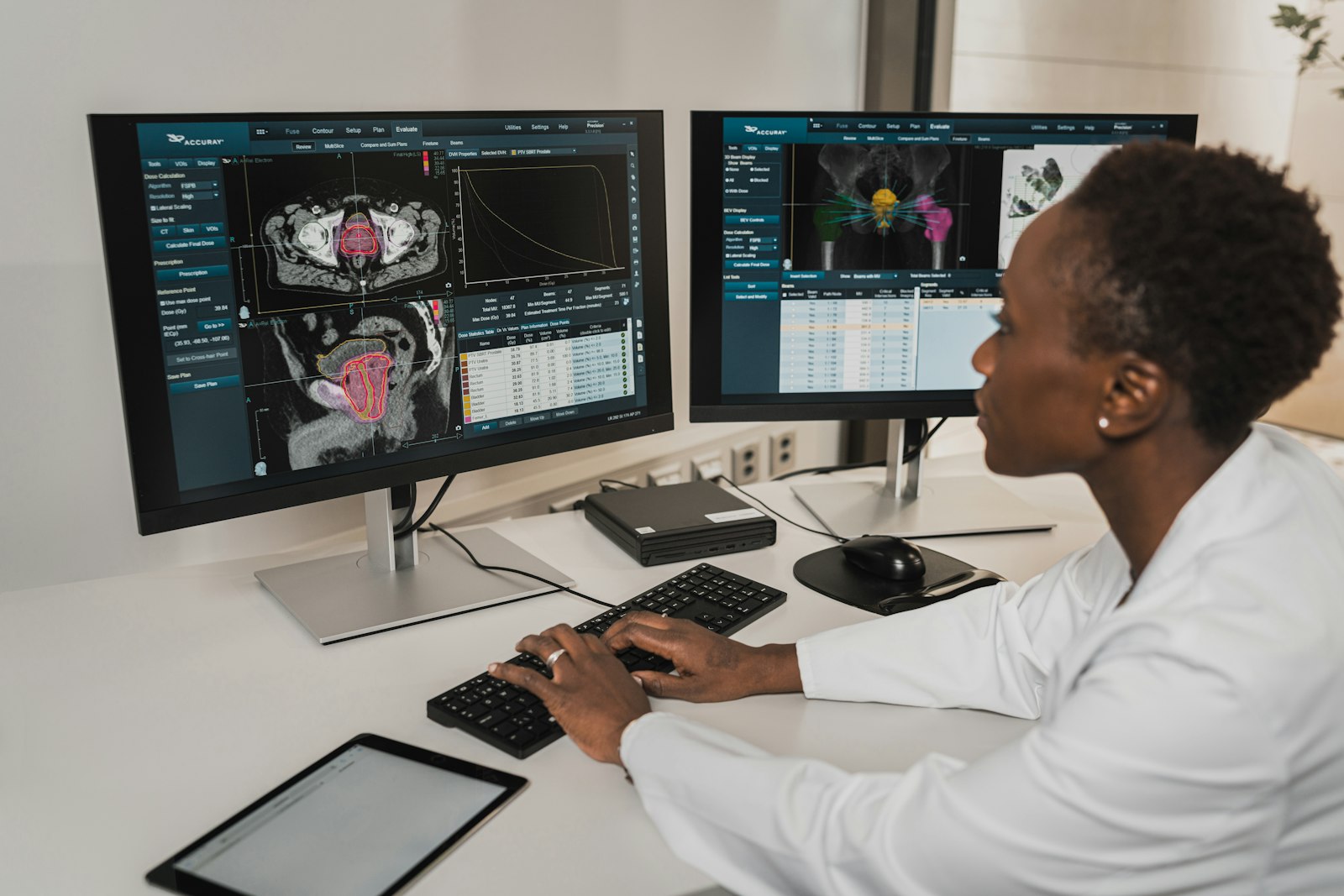
After the tooth is prepared, it is scanned with an intraoral camera instead of a traditional impression. Software proposes a crown design, the dentist refines it on screen, and an in-office milling machine carves the crown from a solid block of ceramic, typically lithium disilicate or zirconia. The crown may be stained and glazed or fired for strength, then bonded in place, all in one extended visit.
The appeal is obvious: no temporary crown, no second appointment, and no second round of numbing. For a straightforward back tooth in a patient with a stable bite, that convenience can be a genuine advantage.
How a Lab-Crafted Crown Is Made
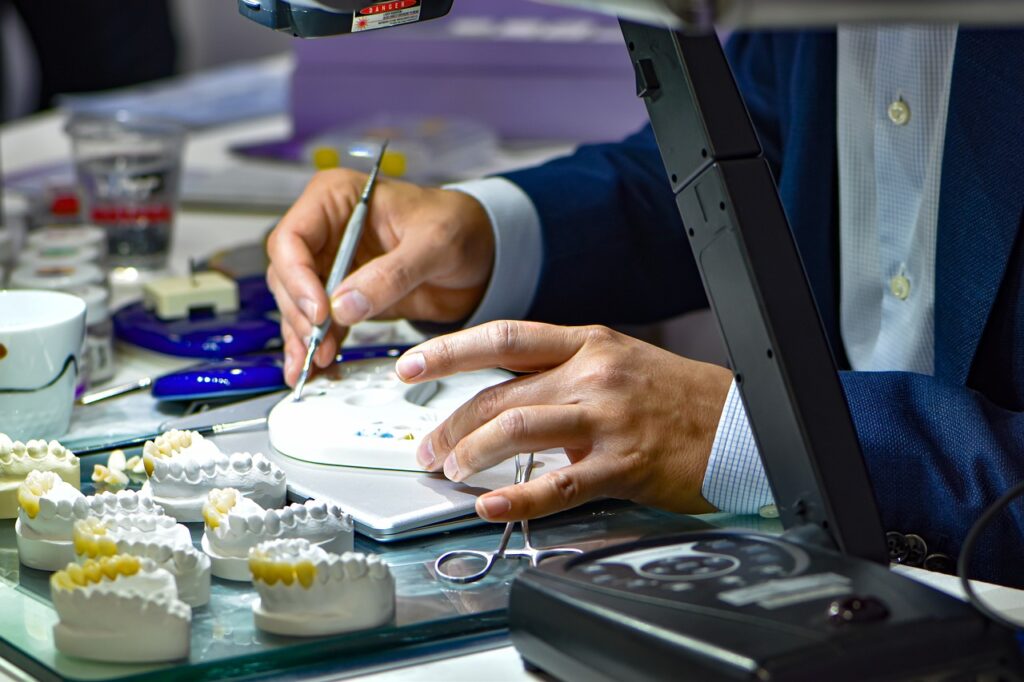
With a lab-crafted crown, the tooth is prepared and scanned or impressed in the same way, and a temporary crown protects it while the final one is made. The case goes to a dental laboratory, where a skilled technician designs and builds the crown, often working with models of both jaws and information about your bite, smile line, and the shade of your neighboring teeth.
Many lab crowns are also digitally designed and milled, so the difference is not old versus new technology. The difference is the added step of a specialist technician who can layer porcelain by hand, characterize color and translucency, and refine contours with more time than a single appointment allows. For visible teeth, that artistry is often what makes a crown disappear in a smile.
Same-Day vs. Lab-Crafted at a Glance
| Factor | Same-day crown | Lab-crafted crown |
|---|---|---|
| Visits | Usually one | Usually two, with a temporary in between |
| Customization | Good; limited by block shades and chairside staining | Highest; hand layering and custom characterization |
| Materials | Mainly millable ceramic blocks | Full range, including layered ceramics and gold |
| Best suited to | Single back teeth, simple cases | Front teeth, multiple units, complex bites |
| Esthetic matching | Good for most back teeth | Strongest for highly visible teeth |
These are general tendencies. A well-made same-day crown is better than a poorly made lab crown, and the skill of the people involved matters more than the workflow.
Appearance and Material Choices
Same-day crowns are milled from manufactured blocks that come in a set of shades and translucencies. They can look very natural, especially on molars and premolars, and chairside staining can add some character. Matching a single front tooth to its natural neighbors, however, is one of the hardest tasks in dentistry, and that is where a laboratory technician’s custom layering usually has the edge.
The material options also differ. A lab can work with the full range of crown materials, including layered zirconia, hand-built porcelain, and gold, while in-office systems are limited to what can be milled chairside. If the right material for your tooth is something an in-office mill cannot produce, a lab crown is the better route.
Fit, Bite, and Complex Cases
A crown has to do more than look good. Its margins must seal precisely against the tooth, its contours must allow easy cleaning, and its biting surfaces must work in harmony with the rest of your mouth. Both same-day and lab crowns can achieve an excellent fit, but complex cases benefit from the extra time and checks that a laboratory workflow allows.
That includes several crowns at once, changes to the bite, worn dentition, implant crowns, and cases where the shape of the teeth is being redesigned. In those situations, planning tools such as digital smile design and laboratory mock-ups help everyone see the result before the final crowns are made. A crown that feels too big or high after placement is often a sign that the bite was not fully accounted for.
Caring for Your New Crown
However your crown is made, it relies on the same things to last: a healthy tooth underneath, healthy gums around it, and a bite that does not overload it. The crown itself cannot decay, but the natural tooth at its edge can, so brushing along the gumline and cleaning between the teeth every day matters as much after a crown as before it.
It is normal for a new crown to feel slightly different for a few days, and mild sensitivity to cold often settles quickly. A crown that feels high when you bite, catches floss, or remains sore beyond the first week should be checked, because small adjustments are easy early on. If you clench or grind, a nightguard protects both ceramic crowns and natural teeth from the forces that cause most fractures. Regular checkups let your dentist monitor the margins and spot early wear before it becomes a problem.
Which Is Right for You?
A same-day crown can be a sensible choice for a single, uncomplicated back tooth when your schedule makes extra visits difficult. A lab-crafted crown is usually the stronger choice for front teeth, for multiple teeth, for heavy grinders who need a specific material, and for any case where the bite or the appearance of the smile is being changed.
The best question to ask is not which method is faster, but which will give this particular tooth the most predictable, longest-lasting result. A prosthodontist will explain the trade-offs for your tooth and why a given approach is recommended, including how the choice of crown material fits in.
Frequently Asked Questions
Are same-day crowns as good as lab crowns?
For many single back teeth, a well-made same-day crown performs very well. For front teeth, multiple crowns, or complex bites, lab-crafted crowns usually offer more customization and material options. The skill of the dentist and technician matters most.
How long do same-day crowns last?
Ceramic same-day crowns can last many years, similar to other ceramic crowns, when they are well designed, properly bonded, and cared for. Longevity depends on the bite, grinding habits, and oral hygiene.
Why does a lab crown take two weeks?
The tooth is prepared and scanned at the first visit, then a dental technician designs, builds, and finishes the crown in a laboratory. A temporary crown protects the tooth in the meantime, and the final crown is fitted at a second visit.
Do same-day crowns look natural?
They can look very natural, especially on back teeth. Because they are milled from manufactured blocks, matching a single front tooth to natural neighbors is more challenging, which is where custom lab work often excels.
Is a same-day crown cheaper?
Not necessarily. Fees vary by practice, material, and case complexity. The more important question is which approach gives your specific tooth the most predictable result. Ask for an estimate for your own situation.
Choose the Crown, Not Just the Calendar
Convenience matters, but the crown has to serve you for years. To talk through the right approach for your tooth, contact Dental Restorative Group at 617-489-1470.
Dental Restorative Group, 385 Concord Avenue, Suite 100, Belmont, MA 02478. Phone: 617-489-1470.
This article provides general educational information and does not constitute dental or medical advice, nor a quote for treatment. Costs and clinical recommendations vary by individual; please consult a qualified dental professional about your own situation.