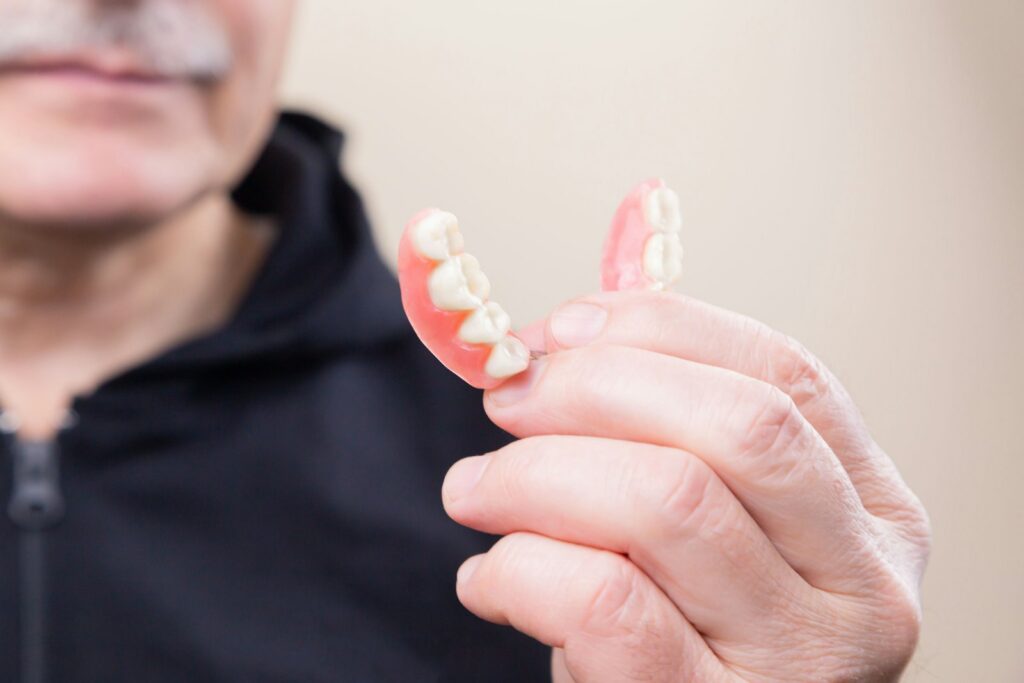
Dentures restore the ability to eat, speak, and smile with confidence, but they work best when they are looked after. Daily care keeps them clean and fresh, protects the gums and any remaining natural teeth, and helps them last. Just as important is knowing when a denture is no longer fitting the way it should.
Whether you have a full denture, a partial denture, or an implant-supported denture, the basics are similar. Here is a practical guide to cleaning, storage, gum care, and the signs that it is time for a reline or a new denture.
Daily Cleaning, the Right Way
Dentures collect plaque, food, and stains just as natural teeth do, and plaque on a denture can irritate the gums and contribute to bad breath and fungal infections. Remove and rinse your denture after meals when you can, and give it a thorough cleaning at least once a day.
- Clean over a folded towel or a sink partly filled with water, so the denture does not break if dropped.
- Use a soft denture brush and a denture cleanser or mild, non-abrasive soap.
- Avoid regular toothpaste, which is abrasive and can scratch the surface where stains and bacteria collect.
- Brush all surfaces, including the side that rests against your gums.
- Rinse well before putting the denture back in, especially after soaking in a cleaning solution.
Never use bleach, boiling water, or harsh household cleaners. Bleach can whiten the pink base and corrode metal clasps, and hot water can warp the acrylic and ruin the fit.
Overnight Care and Storage
Most dentists recommend taking dentures out at night. That gives your gums a chance to rest and recover from pressure, and it lowers the risk of irritation and fungal infection under the denture. If you have been advised otherwise for a specific reason, follow that advice.
When a denture is out of your mouth, keep it moist, either in water or in a denture-soaking solution, so the acrylic does not dry out and change shape. Store it out of reach of pets, which are often attracted to dentures, and keep the container in a consistent place so it is not lost or thrown away by accident.
Caring for Your Gums and Remaining Teeth
Your mouth needs care even when your teeth are replaced. Each day, gently brush your gums, tongue, and the roof of your mouth with a soft brush, or wipe them with a clean, damp cloth. This removes plaque, stimulates circulation, and keeps the tissues healthy.
If you wear a partial denture, the natural teeth that hold it in place are especially important. Clean them carefully, paying attention to the areas where clasps rest, because plaque trapped under a clasp can lead to decay and gum disease, the very things that cause further tooth loss. A full understanding of the different types of dentures helps explain why each needs slightly different care.
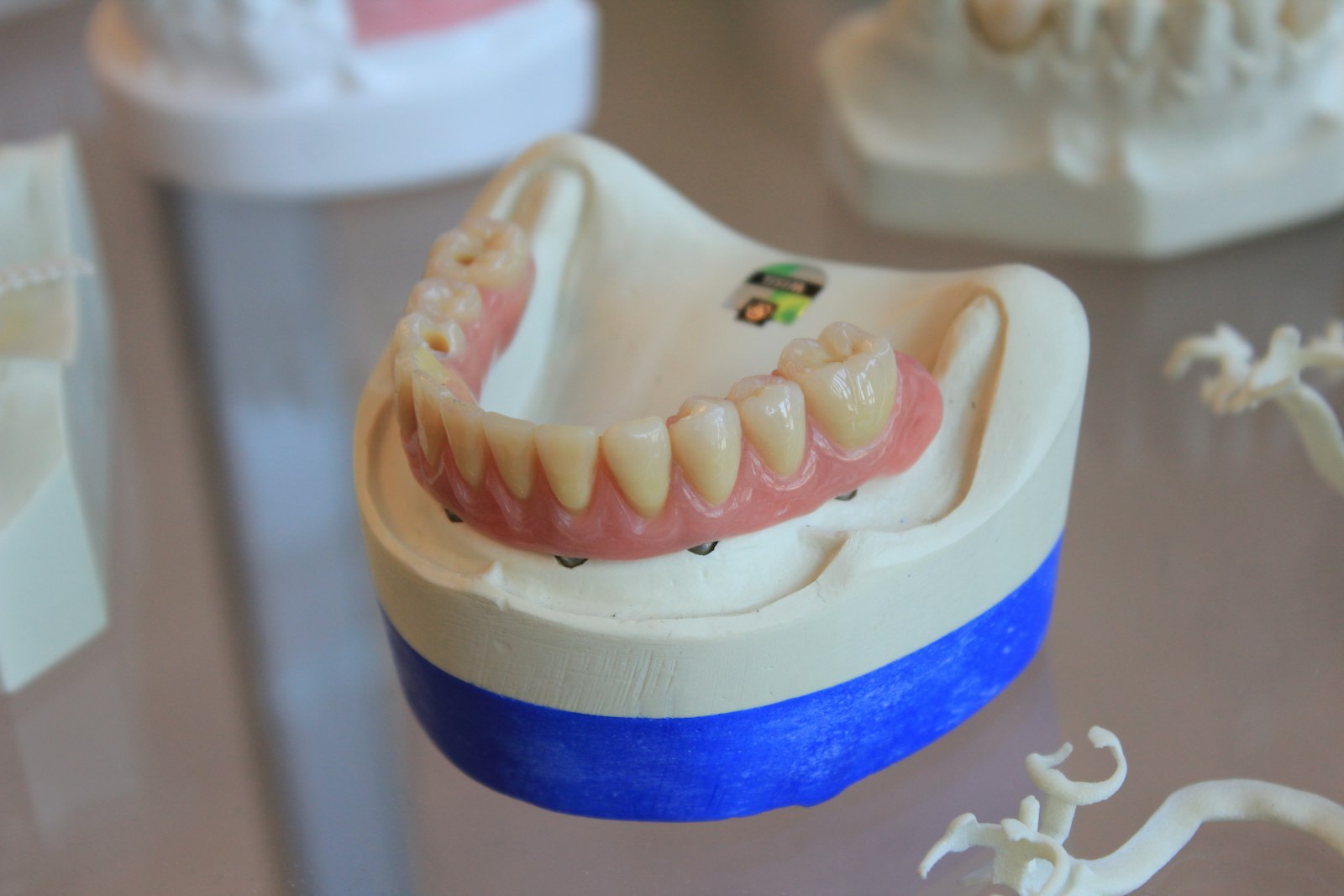
Why Dentures Stop Fitting
A denture that fit perfectly when it was made will not fit perfectly forever. After teeth are lost, the jawbone gradually shrinks, and the gums change shape with it. The denture does not change, so over time a gap develops between the denture and the gums.
That loss of fit shows up as a denture that slips or rocks, sore spots, food trapping underneath, changes in speech, or a need for more and more adhesive. Adhesive can help with comfort, but needing a lot of it is usually a sign that the denture needs attention, not a permanent fix.
Relines, Repairs, and Replacements
| Option | What it is | When it is needed |
|---|---|---|
| Adjustment | Small changes to relieve a sore spot or improve the bite | Any time a spot rubs or feels high |
| Reline | Resurfacing the fitting side so it matches your gums again | Typically every 1 to 2 years, or when fit loosens |
| Repair | Fixing a crack, fracture, or broken tooth on the denture | After damage; avoid home glue kits |
| Replacement | A new denture with fresh teeth and base | Often every 5 to 8 years, or when worn or ill-fitting |
Home repair kits and over-the-counter reline materials can distort the fit and irritate the gums, so professional care is the safer route. A denture that has been relined several times may be better replaced.
Eating and Speaking Comfortably
New dentures take practice. At first, start with soft foods cut into small pieces, chew slowly using both sides of your mouth at the same time to keep the denture balanced, and add firmer foods gradually as you gain confidence. Very sticky or hard foods, such as caramel, hard candy, and tough crusts, are the most likely to dislodge or damage a denture.
Speech usually adjusts within a few weeks. Reading aloud and repeating words that feel awkward helps the tongue and cheeks learn to hold the denture in place. If a denture clicks when you talk or slips when you laugh or cough, mention it at your next visit, since that can be a sign of fit or bite issues that a simple adjustment can correct. Regular checkups, even with no natural teeth, also allow your dentist to examine your gums and the rest of your mouth for any changes.
When Implants Can Help
For many people, especially those with a loose lower denture, two or more dental implants can make a dramatic difference. Implant-supported dentures snap onto attachments, so they stay in place when you eat and speak, and the implants help preserve the jawbone that a conventional denture slowly loses.
Snap-in implant dentures still need daily cleaning, along with care around the implant attachments, and the attachments themselves wear and are replaced periodically. If your denture has become a daily frustration, it may be worth asking whether a prosthodontist could make it more stable.
Frequently Asked Questions
Can I clean dentures with regular toothpaste?
It is better not to. Regular toothpaste is abrasive and can scratch the denture, creating places for stains and bacteria to collect. Use a soft denture brush with a denture cleanser or mild, non-abrasive soap.
Should I sleep with my dentures in?
Most dentists recommend removing dentures at night to let your gums rest and lower the risk of irritation and infection. Keep them moist in water or a soaking solution while they are out.
How often should dentures be relined?
Typically every one to two years, or whenever the fit becomes loose, because the gums and jawbone change shape over time. Your dentist can check the fit at regular visits.
How long do dentures last?
Many dentures last around five to eight years before they need replacing, depending on wear, care, and changes in the mouth. Relines can extend their life in between.
Is it okay to use denture adhesive every day?
A small amount of adhesive is fine, but needing more and more to keep a denture in place usually means it no longer fits well and needs a reline, adjustment, or replacement.
Comfortable Dentures Are Worth the Care
With good daily care and timely relines, dentures can stay comfortable and secure. If yours have started to slip or rub, contact Dental Restorative Group at 617-489-1470.
Dental Restorative Group, 385 Concord Avenue, Suite 100, Belmont, MA 02478. Phone: 617-489-1470.
This article provides general educational information and does not constitute dental or medical advice, nor a quote for treatment. Costs and clinical recommendations vary by individual; please consult a qualified dental professional about your own situation.