When a tooth is lost, the first thing most people notice is the gap. If it is toward the back of the mouth and out of sight, it can be tempting to conclude that it does not really matter. But a missing tooth sets off a series of slow changes in the jaw, the bite, and the teeth that remain, and those changes continue whether or not the gap is visible.
None of this happens overnight, which is exactly why it is easy to overlook. Understanding what tooth loss does over months and years makes it easier to decide when, and how, to replace a tooth. Here is what actually happens after a tooth is gone.
The Jawbone Begins to Shrink
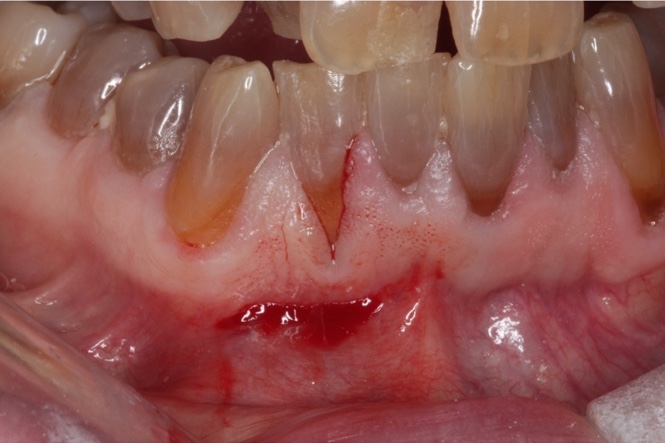
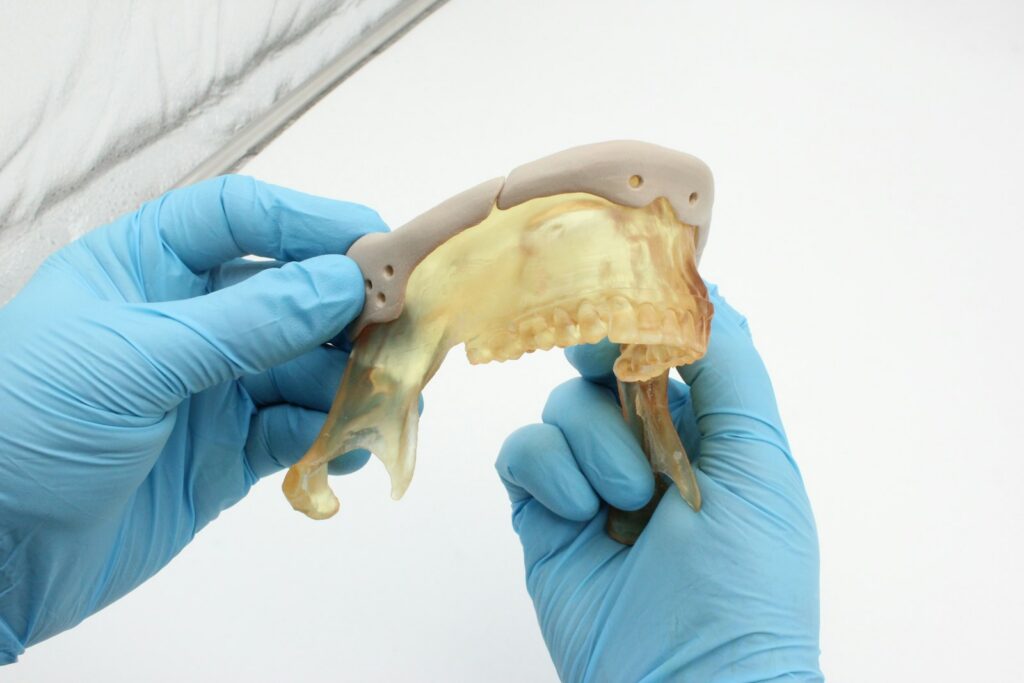
The bone that holds a tooth in place is maintained by the forces of chewing passing through the tooth root. When the tooth is lost, that stimulation stops, and the body gradually resorbs the bone it no longer seems to need. Bone loss is fastest in the first months after an extraction and continues slowly for years, in both height and width.
This matters for two reasons. Lost bone can change the contour of the gums and face, and it can reduce the options for replacing the tooth later. A site that would have easily accepted an implant soon after extraction may need grafting years later. Preserving bone early, sometimes with a small graft at the time of extraction, keeps more doors open.
Neighboring Teeth Drift and Tip
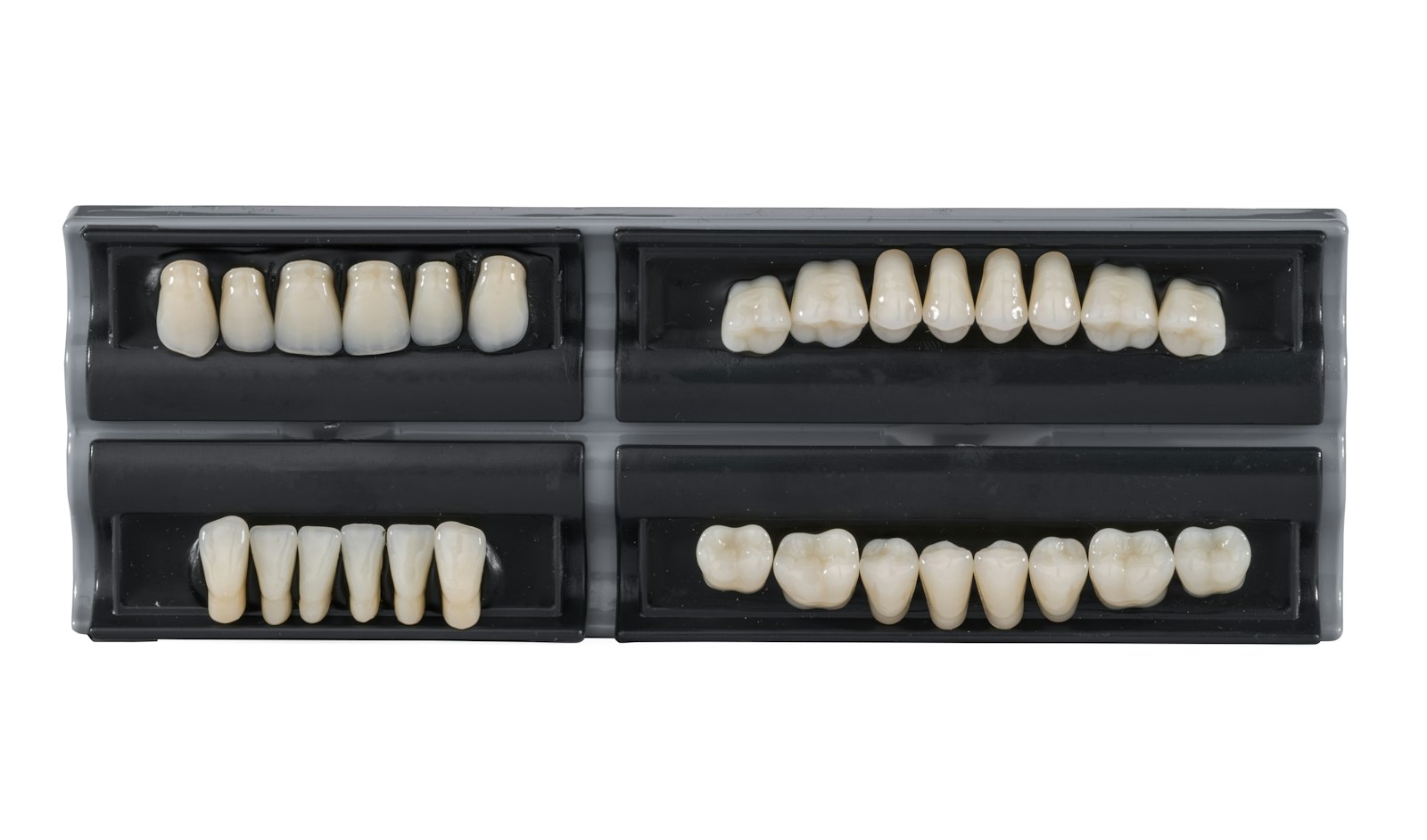
Teeth are held in position partly by their neighbors. When one is missing, the teeth on either side tend to tip or drift into the space, and the tooth in the opposite jaw, with nothing to bite against, can gradually over-erupt out of its socket. The tidy row of teeth slowly loses its alignment.
These shifts create new problems of their own: tilted teeth are harder to clean, food traps in the new angles, and the gum and bone around them can suffer. Drifted teeth can also make a later replacement more complicated, because the space may have narrowed or the opposing tooth may need to be adjusted before a new tooth can fit.
Your Bite and Chewing Change
Every tooth shares the work of chewing. When one is lost, the remaining teeth take on extra load, and people often begin chewing on one side without realizing it. Over time that uneven load can wear, chip, or crack the teeth doing the extra work, and it can strain the jaw muscles and joints.
Losing back teeth in particular affects how well you can chew firm, fibrous, or healthy foods. Many people quietly adjust their diet toward softer foods, which can affect nutrition. If you have lost a back molar, it is worth understanding the trade-offs before deciding to leave the space empty.

How Tooth Loss Affects Your Face
Teeth and the bone around them support the lips and cheeks. When several teeth are lost, and especially when bone loss progresses, the lower face can lose height and support. The lips may thin, the corners of the mouth may turn down, and the chin can move closer to the nose, creating the collapsed look often associated with long-term tooth loss.
A single missing tooth will not change your face on its own, but multiple missing teeth over years can. The emotional side matters too: many people become self-conscious about smiling or eating in front of others long before any change in facial shape is visible.
What Happens Over Time
| Timeframe | What typically happens |
|---|---|
| First weeks to months | The socket heals; bone loss is most rapid in this period |
| First year | Noticeable reduction in bone width; neighboring teeth may begin to tip |
| Several years | Drifting and over-eruption; bite changes; uneven wear on remaining teeth |
| Long term, multiple teeth lost | Continued bone loss; reduced facial support; fewer replacement options without grafting |
The pace varies from person to person, but the direction is consistent, which is why timing is part of every replacement plan.
Your Options for Replacing a Tooth
There are three main ways to replace a missing tooth. A dental implant replaces the root as well as the crown, so it is the only option that continues to stimulate the bone and does not rely on neighboring teeth. A fixed bridge uses the teeth on either side as supports, which works well when those teeth already need crowns. A removable partial denture is the most economical option and can replace several teeth at once.
Each has a place, and the right answer depends on your bone, the health of the neighboring teeth, your bite, and your priorities. Comparing a dental bridge with an implant side by side is a good place to start, and a prosthodontist can show you how each would work in your specific mouth.
Frequently Asked Questions
What happens if you don’t replace a missing tooth?
Over time the jawbone in that area shrinks, neighboring teeth drift and tip into the space, the opposing tooth can over-erupt, and your bite changes. These changes are gradual but continue for years.
Does a missing tooth cause bone loss?
Yes. Without a tooth root to stimulate it, the bone in that area is gradually resorbed. Bone loss is fastest in the first months after an extraction and continues more slowly afterwards.
Can missing teeth change the shape of your face?
Multiple missing teeth and the bone loss that follows can reduce support for the lips and cheeks, leading to thinner lips, a shorter lower face, and a collapsed appearance. A single missing tooth rarely changes the face on its own.
Is it okay to leave a missing back tooth unreplaced?
Sometimes, but it has trade-offs: the teeth around it may shift, chewing becomes less efficient, and remaining teeth take on more load. Whether it is reasonable depends on your bite and the teeth involved.
What is the best way to replace a missing tooth?
It depends on your situation. Implants replace the root and help preserve bone; bridges use neighboring teeth for support; partial dentures are the most economical. An evaluation will clarify which suits you best.
A Gap Is Worth a Conversation
Replacing a tooth is about protecting the teeth, bone, and bite you still have. To talk through your options, contact Dental Restorative Group at 617-489-1470.
Dental Restorative Group, 385 Concord Avenue, Suite 100, Belmont, MA 02478. Phone: 617-489-1470.
This article provides general educational information and does not constitute dental or medical advice, nor a quote for treatment. Costs and clinical recommendations vary by individual; please consult a qualified dental professional about your own situation.