A crown, bridge, or implant is a real investment, in money, in time, and in your comfort and confidence. Like any investment, it lasts longest when it is looked after. The good news is that caring for dental restorations is not complicated; it is mostly the same good habits that keep natural teeth healthy, applied consistently.
It helps to understand one key point: while the restoration itself cannot get a cavity, the natural tooth beneath a crown and the gums and bone around an implant absolutely can be affected by neglect. Protecting your dental work means protecting what supports it.
Why Restorations Still Need Care
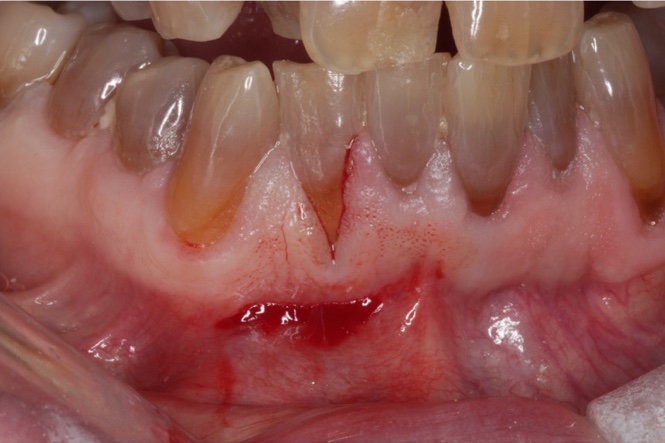
It is a common misconception that once a tooth is crowned or replaced with an implant, it is bulletproof. In reality, the natural tooth structure under a crown can still decay at the margin where the crown meets the tooth, and the gums and bone that support an implant can develop problems if plaque is allowed to build up around it.
In other words, restorations do not remove the need for care; they raise the stakes of it. A little consistent attention protects both the restoration and the foundation it depends on.
Daily Care That Makes the Difference
The foundation is simple and familiar, done consistently:
- Brush twice a day with a soft brush, paying attention to the gumline.
- Clean between teeth daily; floss or interdental brushes reach where a brush cannot.
- For bridges and implants, use the tools your dentist recommends, such as floss threaders or a water flosser, to clean underneath and around them.
- Use a non-abrasive toothpaste to avoid scratching restoration surfaces over time.
None of this takes long. The habit, kept up day after day, is what quietly determines how long your restorations last.
Protecting Restorations From Force
Beyond cleaning, the other main threat to dental work is excessive force. Grinding and clenching can chip a crown or veneer, fracture porcelain, and stress an implant, often at night without your knowing. If you grind, a custom nightguard is one of the smartest investments you can make to protect the work you have already paid for.
Everyday habits matter too. Avoid using your teeth as tools to open packaging, and go easy on very hard foods like ice and hard candy, which can crack both natural teeth and restorations.
Watch What You Chew
Restorations are strong, but they are not indestructible. Sticky foods can tug at the edges of crowns and bridges, and extremely hard foods can chip them. This does not mean living on a soft diet; it means a little common sense, especially in the first days after a new restoration is placed.
If a restoration ever feels loose, rough, or different when you bite, mention it promptly. Catching a small issue, such as a slightly open margin, early often means a simple fix rather than replacing the whole thing.
Don’t Skip Professional Checkups
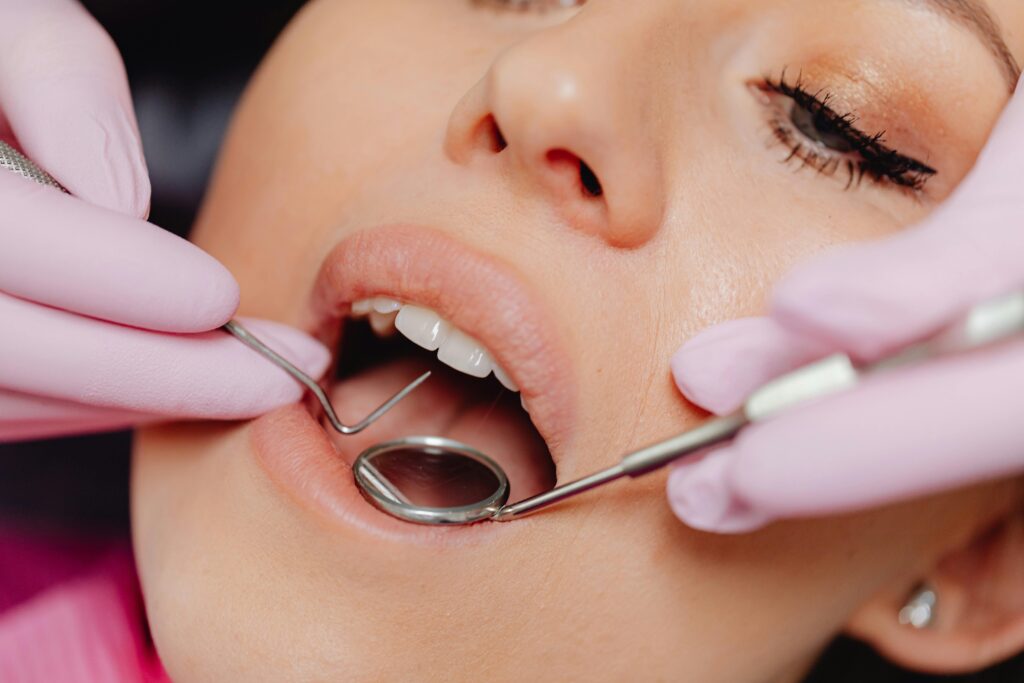
Regular checkups and cleanings are where restorations are kept in good shape. Your dentist can spot early problems you cannot feel, such as decay starting at a crown margin or early inflammation around an implant, while they are still easy to address. Professional cleaning also removes buildup from areas your home care cannot fully reach.
This ongoing care is exactly what a coordinated practice is built to provide, and it is often the difference between a restoration that lasts a handful of years and one that lasts many. If an older crown or bridge is showing its age, having it assessed can prevent a small problem from becoming a bigger one.
An Investment Worth Protecting
Think of restoration care as protecting an investment you have already made. A few minutes of good daily care, a guard if you grind, sensible eating, and regular checkups add up to years of extra life for your crowns, bridges, and implants, and for the natural teeth around them.
Dr. Min Jeong and the team help patients keep their restorations, and their whole smile, healthy for the long term. Good care is the least expensive dentistry there is.
Frequently Asked Questions
Do crowns and implants still need special care?
Yes. While the restoration itself can’t get a cavity, the natural tooth under a crown can decay at the margin, and the gums and bone around an implant can develop problems. Good daily care protects the foundation your dental work depends on.
How do I clean around a dental bridge or implant?
Clean underneath and around them daily using the tools your dentist recommends, such as floss threaders, interdental brushes, or a water flosser, in addition to regular brushing and flossing.
Can grinding damage my crowns or implants?
Yes. Grinding and clenching can chip crowns and veneers, fracture porcelain, and stress implants. A custom nightguard is a smart way to protect restorations, especially from nighttime forces.
What foods should I avoid with dental restorations?
Go easy on very hard foods like ice and hard candy that can chip restorations, and be careful with sticky foods that tug at crowns and bridges. Avoid using your teeth to open packaging.
How long do dental restorations last?
With good daily care, protection from grinding, and regular checkups, restorations can last many years. Longevity depends on the material, the location, your oral hygiene, and habits like grinding.
Make Your Dental Work Last
A little consistent care protects the investment you’ve made in your smile. For guidance on caring for your restorations, or to have an older one checked, contact Dental Restorative Group at 617-489-1470.
Dental Restorative Group, 385 Concord Avenue, Suite 100, Belmont, MA 02478. Phone: 617-489-1470.
This article provides general educational information and does not constitute dental or medical advice, nor a quote for treatment. Costs and clinical recommendations vary by individual; please consult a qualified dental professional about your own situation.