If you need a tooth removed and replaced with an implant, one of the first questions is about timing: can the implant go in the same day as the extraction, or is it better to let the site heal first? Both approaches are common and successful, and they are not simply fast versus slow, they suit different situations.
Understanding the difference between immediate and delayed implant placement helps you understand your treatment plan and why your dentist recommends one path over the other. Here is how they compare.

What the Two Approaches Mean
Immediate implant placement means the implant is placed into the socket at the same appointment as the tooth extraction. It can reduce the number of procedures and shorten the overall timeline, and it takes advantage of the existing socket. In selected cases, a temporary tooth can even be attached the same day.
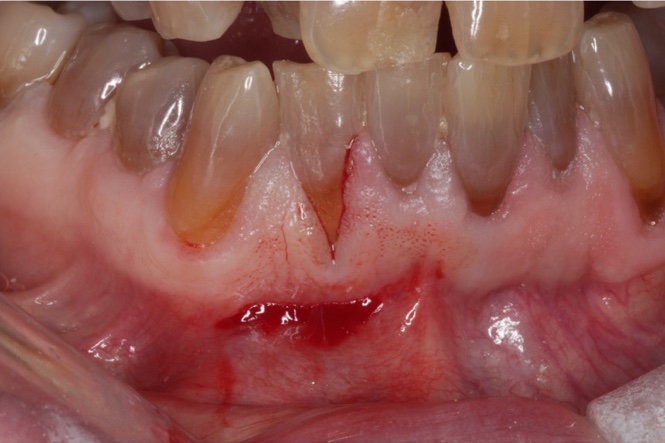
Delayed placement means the extraction site is allowed to heal first, for a period of weeks to months, before the implant is placed. Sometimes a bone graft is done at the extraction to build up the site. Waiting can create a more stable foundation, which matters a great deal in certain situations.
How They Compare
| Consideration | Immediate placement | Delayed placement |
|---|---|---|
| Timing | Implant at the extraction visit | Implant after the site heals |
| Total treatment time | Often shorter overall | Longer, with a healing wait |
| Number of surgeries | Fewer | Usually one more step |
| Best when | Good bone, healthy site, no infection | Infection, low bone, or esthetic-critical sites |
| Foundation | Uses the existing socket | Allows a healed, stable base |
Neither is universally better. The right choice is the one that gives your particular case the best long-term result.
When Immediate Placement Works Well
Immediate placement can be an excellent option when conditions are favorable: enough healthy bone at the site, no active infection, and gum tissue in good shape. For the right patient, it means fewer appointments, a shorter overall timeline, and sometimes leaving with a temporary tooth in place the same day.
It is an appealing option, but it depends entirely on the site being suitable. The advantages are real only when the foundation supports them, which is why careful evaluation comes first.
When Waiting Is the Wiser Choice
Delayed placement is often the better call when the site needs help first. If there is infection, significant bone loss, or a socket that needs grafting to build up support, allowing the area to heal creates a more reliable foundation for the implant.
Timing is especially important for a front tooth, where the final appearance is critical. Here, taking the time to manage the bone and gum carefully protects the esthetic result, and rushing can compromise it. In these cases, patience genuinely pays off.

How the Decision Is Made
The choice comes down to a careful assessment: the amount and quality of bone, the health of the gums, whether infection is present, where the tooth sits in your smile, and your overall health. 3D imaging is invaluable here, because it shows exactly what the site can support before any decision is made.
As a prosthodontist, Dr. John Chang plans extraction and implant timing with the final result in view, so the sequence is chosen to protect both function and appearance. The goal is never simply the fastest route; it is the one that lasts.
What This Means for Your Timeline
Whichever path fits your case, understanding it helps set realistic expectations. Immediate placement can compress the journey, while delayed placement adds a healing stage in exchange for a stronger foundation. In both, the implant still needs time to integrate with the bone before the final tooth is attached.
Knowing where the time goes, and why, makes the whole process feel far less uncertain. Our guide to what to expect during implant recovery walks through the healing that follows, whichever timing you choose. Either way, the key is that the sequence is chosen deliberately for your case rather than by habit, which is what protects the final outcome.
Frequently Asked Questions
Can I get a dental implant the same day as an extraction?
In many cases, yes. Immediate placement puts the implant in at the extraction appointment when the site is healthy, has enough bone, and is free of infection. Whether it’s suitable depends on a careful evaluation.
Is it better to place an implant immediately or wait?
Neither is universally better. Immediate placement can shorten treatment when conditions are favorable, while delayed placement is wiser when the site needs healing, grafting, or careful management, such as for a front tooth.
Why would a dentist recommend waiting to place an implant?
Waiting is often recommended when there is infection, significant bone loss, a socket that needs grafting, or an esthetically critical site, because a healed, stable foundation improves the long-term result.
Does immediate placement mean I leave with a tooth the same day?
Sometimes. In selected cases a temporary tooth can be attached the same day, but this depends on the site and the plan. The permanent restoration still comes after the implant integrates.
How is the timing decision made?
It’s based on the bone quality and quantity, gum health, presence of infection, the tooth’s position in your smile, and your overall health, usually with 3D imaging to guide the plan.
Get a Plan Built Around Your Situation
The right timing for your implant depends on your specific situation, best determined with a proper evaluation. To plan yours, contact Dental Restorative Group at 617-489-1470.
Dental Restorative Group, 385 Concord Avenue, Suite 100, Belmont, MA 02478. Phone: 617-489-1470.
This article provides general educational information and does not constitute dental or medical advice, nor a quote for treatment. Costs and clinical recommendations vary by individual; please consult a qualified dental professional about your own situation.