Unlike a cavity or a broken tooth, tooth wear rarely announces itself. It happens gradually, a little at a time, until one day you notice your teeth look shorter, feel more sensitive, or no longer meet the way they used to. By then, years of small losses have added up.
Some wear is a normal part of a lifetime of use, but faster or heavier wear can undermine the health, function, and appearance of your teeth. Knowing what causes it and when it needs attention helps you protect your smile before the damage becomes hard to reverse.

The Different Kinds of Wear
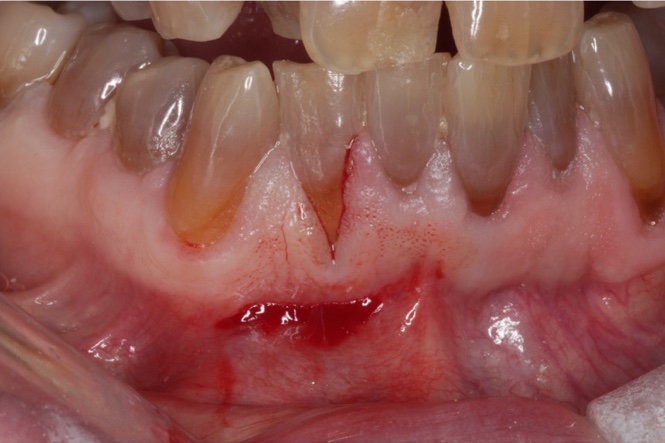
Dentists usually describe tooth wear by its cause. Attrition is wear from tooth-on-tooth contact, most often from grinding or clenching. Erosion is the chemical dissolving of enamel by acids, whether from diet or from acid reflux. Abrasion is mechanical wear from outside forces, such as brushing too hard. Abfraction refers to notches near the gumline linked to bite stresses.
Many people have a combination. Acidic drinks soften enamel, and grinding then wears the softened surface away faster, so the causes often compound one another.
What’s Causing Your Teeth to Wear
Several everyday factors drive wear, and most are manageable once identified:
- Grinding or clenching, often at night and often unnoticed.
- Acidic foods and drinks: soda, citrus, wine, sports and energy drinks.
- Acid reflux or frequent heartburn, which bathes teeth in stomach acid.
- Brushing too aggressively or with a very hard-bristled brush.
- A bite that distributes force unevenly across the teeth.
Identifying the cause is the whole game, because protecting a tooth is far easier and cheaper than rebuilding one.
Signs Your Teeth Are Wearing Down
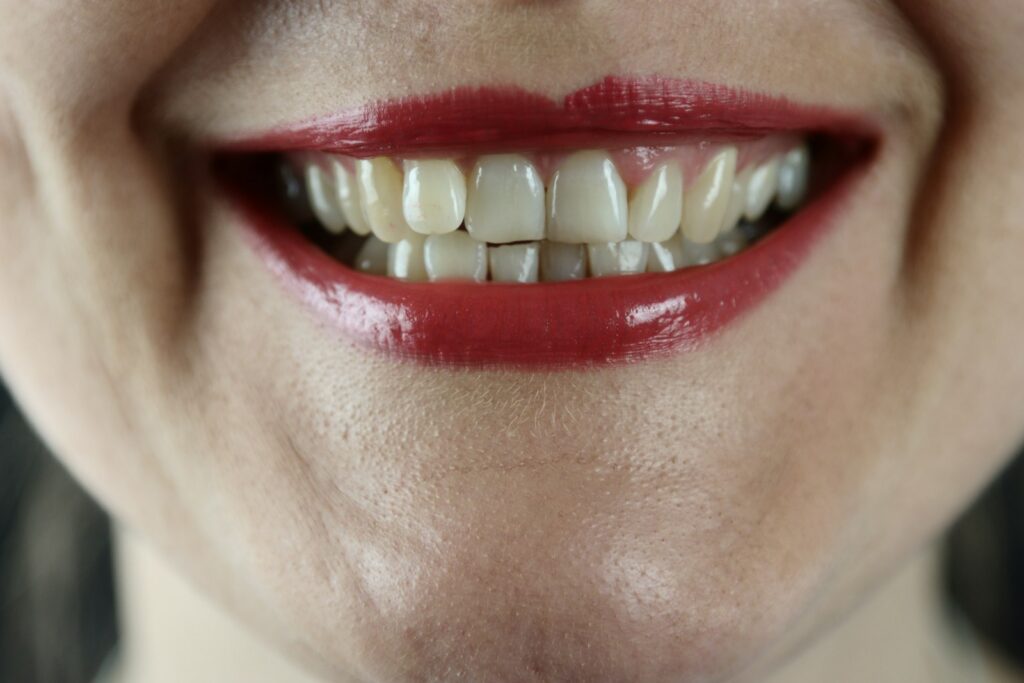
Because it is gradual, wear is easiest to catch if you know what to watch for: teeth that look shorter, flatter, or more yellow (as thinning enamel reveals the dentin beneath), increasing sensitivity to hot, cold, or sweet, small chips or rough edges, and a bite that feels different. Existing fillings that seem to sit higher than the surrounding tooth can also signal that the natural tooth around them is wearing away.
None of these are emergencies, but all are worth mentioning at a checkup, because they tell a story about what is happening over time.
When Wear Needs Restoration
Not all wear needs treatment. Mild wear is often simply monitored, alongside removing the cause. Restoration becomes worthwhile when wear causes sensitivity or pain, when it threatens the health of a tooth, when it changes the bite or appearance, or when it is progressing quickly enough to cause future problems.
When restoration is needed, the options range from bonding for small areas to onlays or crowns for more extensive wear, and in significant cases a fuller reconstruction to rebuild worn teeth and restore the bite. The goal is always to protect the tooth while removing as little as possible, and choosing the right repair depends on how much tooth has been lost.
Why Worn Teeth Are Worth Addressing
It is tempting to ignore wear because it rarely hurts at first, but worn teeth do more than look shorter. As enamel thins, teeth become more sensitive and more prone to chipping and decay. A worn bite can also change the way your teeth meet, placing uneven stress on some teeth and, over time, affecting the jaw joints and muscles.
Addressing wear is therefore not only cosmetic. Restoring worn teeth and correcting whatever caused the wear protects the remaining natural tooth structure and helps keep the whole bite working the way it should for years to come. Left alone, worn teeth also tend to wear one another down faster, so acting sooner usually means a smaller, simpler repair than waiting does.
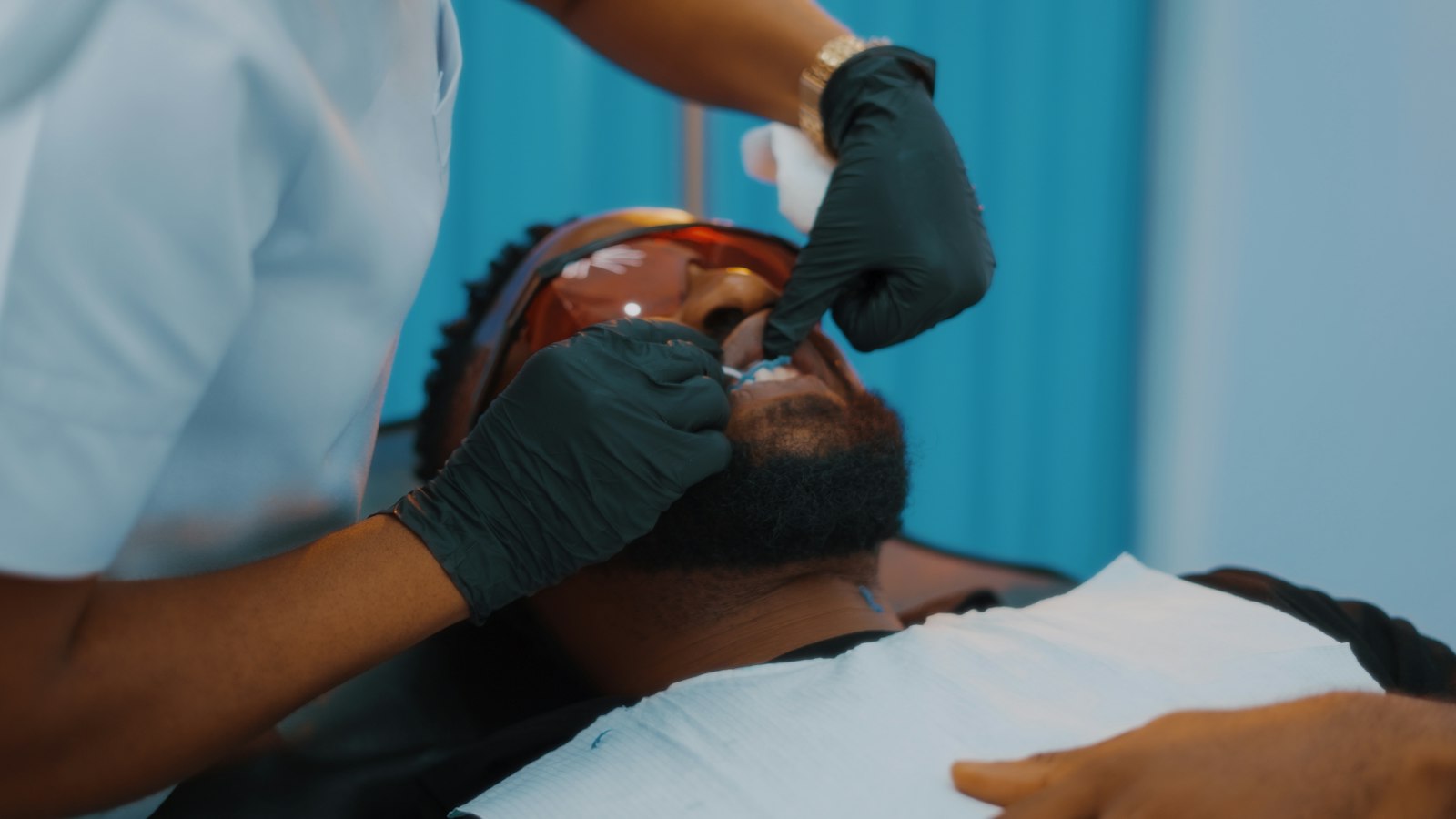
Protecting Teeth From Further Wear
Prevention is the most valuable step. If grinding is the cause, a custom nightguard shields the teeth while you sleep. If acid is the culprit, cutting back on acidic drinks, rinsing with water afterward, and waiting before brushing all help. Switching to a soft brush and a gentle technique addresses abrasion.
As a prosthodontist, Dr. Min Jeong evaluates wear in the context of your whole bite, so treatment addresses the cause and not just the symptom. If your teeth are looking shorter or feeling more sensitive, an evaluation now can prevent bigger work later.
Frequently Asked Questions
What causes teeth to wear down?
Common causes are grinding or clenching (attrition), acid from diet or reflux (erosion), aggressive brushing (abrasion), and uneven bite stresses. Many people have a combination of these.
Is some tooth wear normal?
Yes, a modest amount of wear is a normal result of a lifetime of use. Faster or heavier wear, however, can harm the health, function, and appearance of teeth and may need attention.
What are the signs of tooth erosion?
Signs include teeth that look shorter, flatter, or more yellow, increased sensitivity to hot, cold, or sweet, small chips or rough edges, and a bite that feels different over time.
How is worn or eroded teeth treated?
Treatment depends on severity, from monitoring and removing the cause, to bonding, onlays, or crowns, and in significant cases a fuller reconstruction to rebuild the teeth and restore the bite.
Can I stop my teeth from wearing further?
Often yes. A custom nightguard for grinding, reducing acidic drinks, gentle brushing with a soft brush, and treating reflux all help slow or prevent further wear.
Catch Wear Before It Becomes Damage
If your teeth look shorter or feel more sensitive than they used to, it is worth having the cause checked. To arrange an evaluation, contact Dental Restorative Group at 617-489-1470.
Dental Restorative Group, 385 Concord Avenue, Suite 100, Belmont, MA 02478. Phone: 617-489-1470.
This article provides general educational information and does not constitute dental or medical advice, nor a quote for treatment. Costs and clinical recommendations vary by individual; please consult a qualified dental professional about your own situation.