It is one of the first questions our Belmont and Cambridge patients ask before a whitening appointment: exactly how much whiter will my teeth look when this is over?
It is a fair question, and the honest answer is that no dentist can promise you a specific number of shades. What we can do is explain what determines your result, so you know what to expect before you begin.
How Dentists Measure Tooth Shade
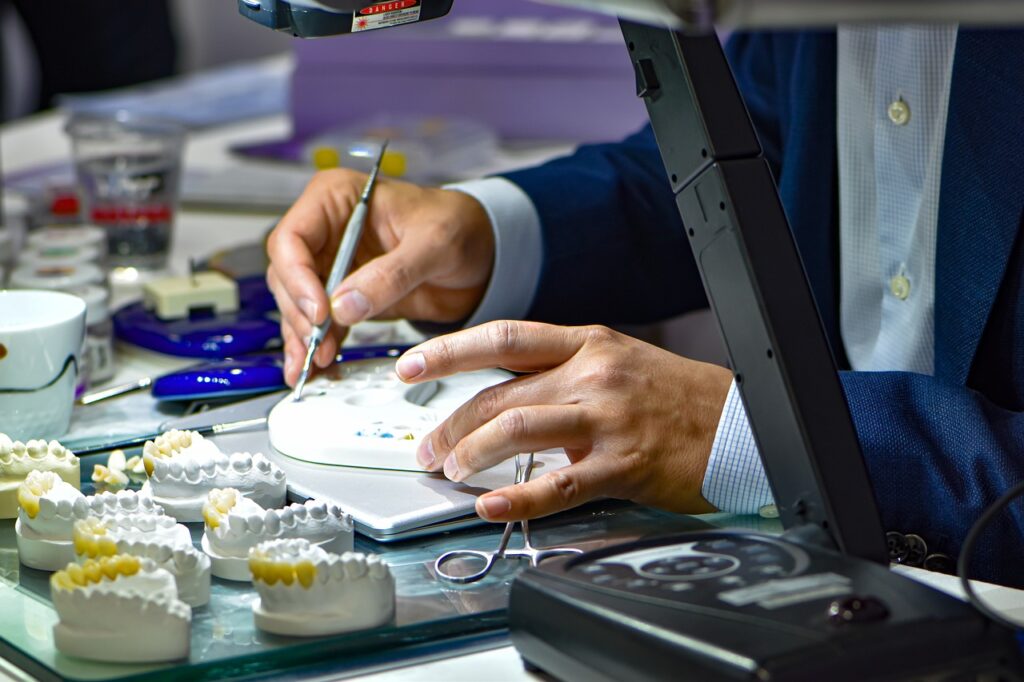
Dentists do not judge tooth color by eye alone. We compare your teeth against a standardized shade guide, a set of reference tabs arranged from the lightest to the darkest tones. Recording your shade before treatment and again afterward is the only reliable way to know how much your teeth actually changed.
Many patients see a noticeable change of several shades. Others see a more modest shift. Both outcomes are normal, and the difference usually has nothing to do with how well the whitening was performed.
Why the Result Is Different for Every Patient
The color you see when you smile comes from two layers: the translucent enamel on the outside and the darker dentin underneath. Whitening gel works on the stains held within enamel. It cannot change the natural color of the dentin beneath it.
That is why your final shade depends on factors such as:
- The natural color and thickness of your enamel
- Whether your discoloration is on the surface or deeper within the tooth
- The cause of the staining, such as coffee, tea, red wine, tobacco, aging, or certain medications
- How long the whitening gel stays in contact with the teeth
- How your teeth respond, including any sensitivity that develops during treatment
Surface stains from food and drink generally respond well. Discoloration that developed inside the tooth, after trauma or from some medications taken in childhood, is far more stubborn.
Whitening Does Not Change Crowns, Veneers, or Fillings
This surprises many patients. Whitening gel has no effect on porcelain or composite material. If you have a crown on a front tooth or tooth-colored fillings that show when you smile, they will stay exactly the shade they are now while the natural teeth around them lighten.
Before you whiten, it is worth asking our doctors how your existing dental work will look afterward. Sometimes the sensible sequence is to whiten first, then replace visible restorations to match the new shade.
What a Realistic Whitening Plan Looks Like
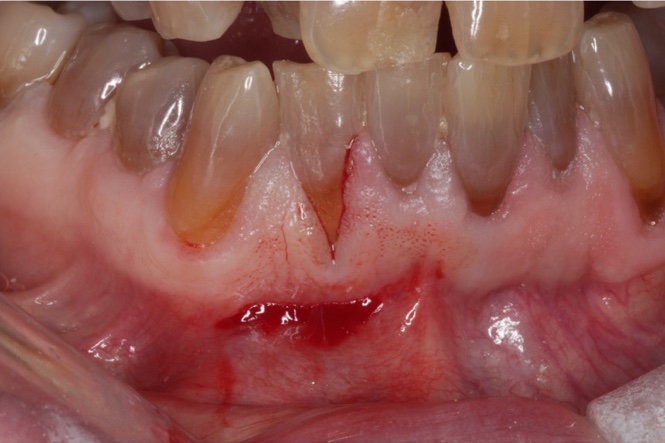
At Dental Restorative Group, whitening begins with an examination rather than a gel tray. Our doctors look for decay, worn enamel, gum recession, and cracked or failing restorations, because whitening an unhealthy tooth can cause discomfort and will not fix the underlying problem.
We then talk about what whitening can reasonably achieve for your teeth specifically. If bleaching is unlikely to give you the result you are hoping for, we will tell you, and we will explain the alternatives instead of selling you a treatment that will disappoint you.
When Whitening Is Not the Right Tool
If the color of a tooth comes from an old restoration, an internal stain, or thin enamel that exposes the dentin underneath, bleaching will not correct it. In those situations, our doctors may discuss porcelain veneers or crowns, which change both the color and the shape of a tooth.
It is also worth knowing that whitening results are not permanent. Your teeth will pick up new stains over time, and the habits that darkened them in the first place will do so again. Our guide to how long teeth whitening lasts explains what affects the longevity of your result, and there are common whitening mistakes worth avoiding along the way.
Some patients also notice temporary sensitivity afterward. That is a normal, well-documented side effect, and we cover it in detail in our article on how long whitening sensitivity lasts.
Talk to a Dentist Before You Whiten
The best way to find out what whitening can do for your smile is to have your teeth examined and your current shade recorded. Call Dental Restorative Group at 617-489-1470 or request a consultation through our website.
Dental Restorative Group, 385 Concord Avenue, Suite 100, Belmont, MA 02478. We see patients from Belmont, Cambridge, Boston, and the surrounding communities.
Related Reading
- Teeth Whitening Maintenance Tips for Cambridge Patients
- 3 Tips to Maintain Teeth Whitening Results
- 10 Foods That Cause Teeth Stains
Frequently Asked Questions
How many shades whiter can professional teeth whitening make my teeth?
Results vary from person to person. Many patients see a change of several shades on a standard dental shade guide, while others see less. The starting color of your enamel, the type of staining, and how your teeth respond all influence the outcome.
Why do whitening results differ from patient to patient?
Tooth color comes from both the outer enamel and the dentin underneath. Whitening gel lifts stains within enamel, so patients whose discoloration sits deeper, or whose teeth are naturally darker or more translucent, tend to see a more modest change.
Will whitening change the color of my crowns, veneers, or fillings?
No. Whitening gel does not lighten porcelain or composite restorations. If you have visible crowns, veneers, or tooth-colored fillings, they will keep their current shade, so the surrounding teeth may end up a different color than the dental work.
Is in-office whitening more effective than a store-bought kit?
Professionally supervised whitening uses stronger, carefully applied materials and protects the gums during treatment. Our doctors also examine your teeth first, which helps identify staining that whitening cannot correct.
What if whitening does not give me the result I want?
Some discoloration does not respond to bleaching. In those cases, our doctors may discuss restorative options such as veneers or crowns, which change the color and the shape of a tooth rather than lifting stains from enamel.
This article provides general educational information and does not replace an examination or an individualized recommendation. Whitening results vary between patients and cannot be guaranteed.