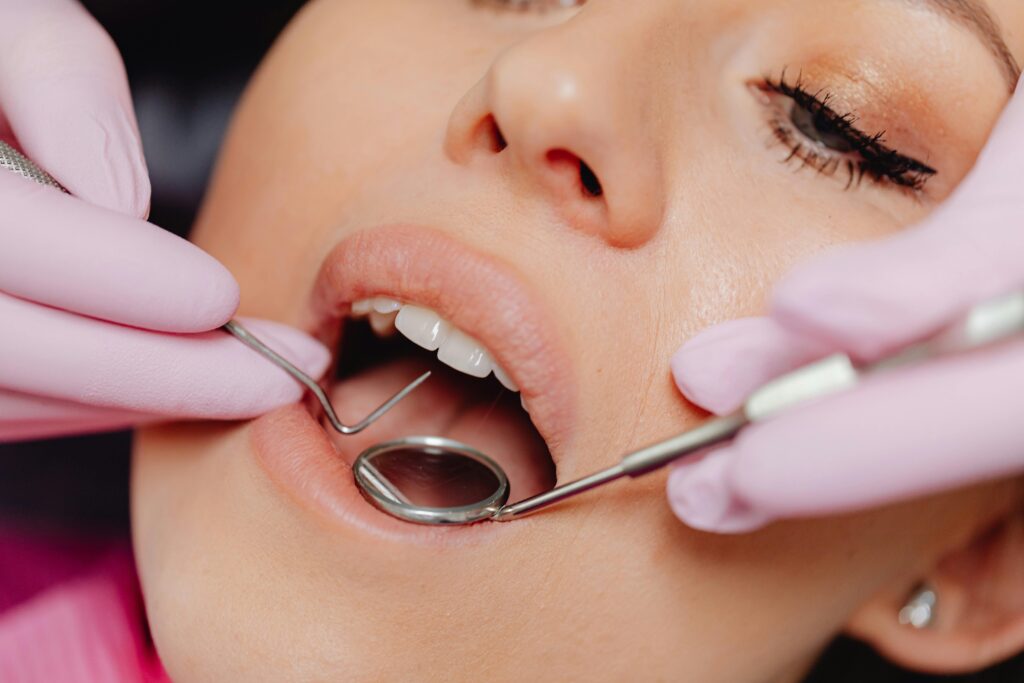
Perhaps it’s been a while since you last had a dental cleaning. You may have avoided it because you have dental anxiety and want to remind yourself what steps the cleaning will include. Well, we’re here to help you be as informed and comfortable as possible. Here are 3 steps that are involved in professional teeth cleaning.
- A Baseline Oral Examination
Step One: A Baseline Oral Examination
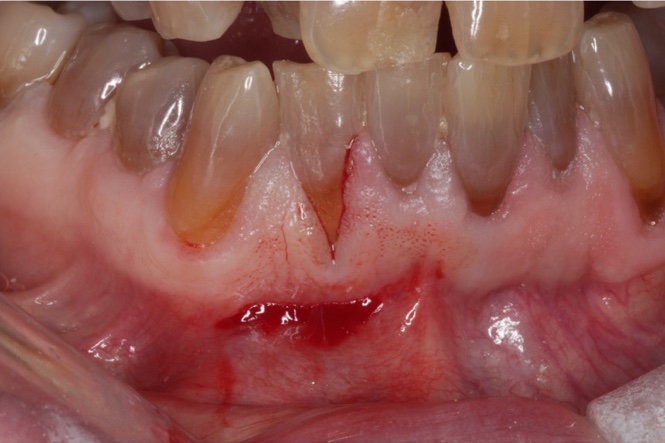
Before your dental cleaning ever begins at our Cambridge dental practice, your dental hygienist will perform a baseline examination of your mouth. He or she will take detailed notes of the state of your mouth to share with our doctors. Items that may be notated include the amount of plaque and tartar that are present before the cleaning begins, whether or not you have any sensitive teeth, and if you have any visible signs of gum inflammation, which could be an early warning sign of periodontal disease.
- Scaling, Brushing, and Flossing
Step Two: Scaling, Brushing, and Flossing
Once your dental hygienist has documented the state of your mouth as it was when you initially arrived, he or she will get to work cleaning your teeth! In our Cambridge practice, this includes scaling your teeth, brushing them, and flossing them.
Why Tartar Requires Professional Scaling
Scaling your teeth (which you may think more of as scraping your teeth) is a very important process of dental cleaning. You see, even if you are diligent at brushing your teeth twice a day, flossing your teeth once a day, and even using antibacterial mouthwash once a day, you still run the risk of bacteria in your mouth turning into plaque, which if left for a few days can turn into tartar. Tartar can only be professionally cleaned off. There’s no DIY trick to getting rid of tartar.
The reason that even the best Cambridge dental patients can get tartar is that the tight spaces in between our teeth are breeding grounds for tartar to form. And they’re also the exact same places where cavities form. Flossing in between your teeth can only do so much. You need tooth scaling (the scraping process your dental hygienist performs with a dental instrument) in order to scrape out tartar from in between your teeth.
Brushing is also an important step of teeth cleaning, as is flossing. Together, scaling, brushing, and flossing help make your teeth as clean as possible for when one of our doctors comes in the room to examine your mouth.
- A Full Mouth Examination by One of Our Doctors
Step Three: Full Mouth Examination
The final and perhaps most important step of a dental cleaning is a thorough mouth examination by one of our doctors. When examining our Cambridge patients’ mouths, our doctors are also referring to the initial notes taken by your dental hygienist, as well as referencing X-rays, if any were taken. Our doctors are looking for signs that you may be experiencing tooth decay, signs of periodontal disease such as inflamed or bleeding gums, and symptoms of any other dental issue such as a tooth that may be infected or require extraction. All in all, our doctors want to make sure you’ve received a thorough look over before you head out the door. After all, unless a toothache occurs, we won’t see you again for another 6 months.
Schedule Your Biannual Dental Cleaning Today
Whether it’s been a while since your last teeth cleaning, or you’re looking for a new Cambridge dentist for your oral hygiene care, our doctors at the Dental Restorative Group are happy to help. Simply call to schedule your teeth cleaning today at (617) 492-5081.
Related Reading
- 3 Reasons You Need a Dental Cleaning Every 6 Months
- Can I Get a Dental Cleaning During My Lunch Hour?
- Are Dental Cleanings Painful?
Frequently Asked Questions
What happens during a professional dental cleaning?
A cleaning has three parts. Your dental hygienist first performs a baseline examination of your mouth, then scales, brushes, and flosses your teeth, and finally one of our doctors carries out a full mouth examination before you head out the door.
Why does the hygienist examine my mouth before cleaning?
The baseline examination documents the state of your mouth before cleaning begins. Your hygienist notes the plaque and tartar present, whether you have sensitive teeth, and any visible gum inflammation, which can be an early warning sign of periodontal disease, then shares those notes with our doctors.
What is tooth scaling and why is it necessary?
Scaling is the scraping process your hygienist performs with a dental instrument to remove tartar. Plaque that sits for a few days hardens into tartar, and the tight spaces between teeth are where it forms most easily. Flossing alone can only do so much.
Can I remove tartar at home?
No. Even if you brush twice a day, floss once a day, and use antibacterial mouthwash, plaque can still harden into tartar between your teeth. There is no do-it-yourself trick for removing it. Tartar can only be professionally cleaned off during a dental cleaning.
What does the dentist look for during the exam?
Our doctors refer to the notes your hygienist took and any X-rays, then look for signs of tooth decay, signs of periodontal disease such as inflamed or bleeding gums, and other issues such as a tooth that may be infected or require extraction.
How often should I have my teeth cleaned?
Most patients are seen about every six months for a cleaning and examination, unless a toothache or another problem comes up sooner. Regular visits give our doctors the chance to spot decay and gum problems early, while they are easier to treat.