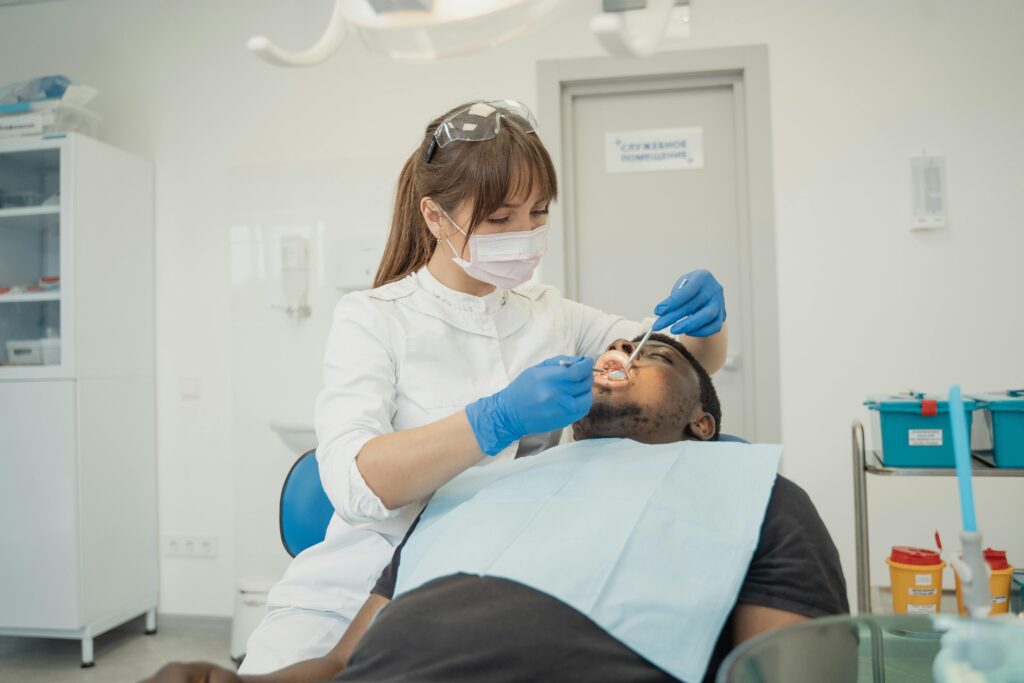
As Dr. Chang of Dental Restorative Group has learned over his years of practice, dental anxiety is real. Whether a Belmont dental patient had a bad experience with a dentist as a child, has read a scary story on the Internet, or is just generally more sensitive to touch, he understands that some of his patients are worried that their routine dental cleaning will be painful.
Rest assured, Dr. Chang and his team of dentists and dental hygienists work diligently and gently with their Belmont patients to provide them thorough dental cleanings while easing anxiety and providing a pain-free experience. While depending on your sensitivity tolerance, the health of your gums or other dental issues you may have could perhaps lead to some discomfort; the Dental Restorative Group team works to make you as relaxed and comfortable as possible during your appointment.
Which Cleaning Steps Feel Sensitive
Aspects of a Dental Cleaning That May Feel More Sensitive to Others
While most patients don’t describe the following aspects of a routine dental cleaning as “painful,” the following steps of a tooth cleaning may be more sensitive to some Belmont dental patients. These include:
Scraping Away Plaque and Tartar
The Scraping of Plaque and Tartar from Your Teeth and Gums
Bacteria from the food we eat builds up in our mouths, causing plaque. Most Belmont residents are able to brush and floss plaque away when they brush their teeth twice daily and floss once a day. But if you don’t practice proper oral hygiene, or you are just prone to plaque buildup, plaque on your teeth can turn into tartar, which you can’t treat at home.
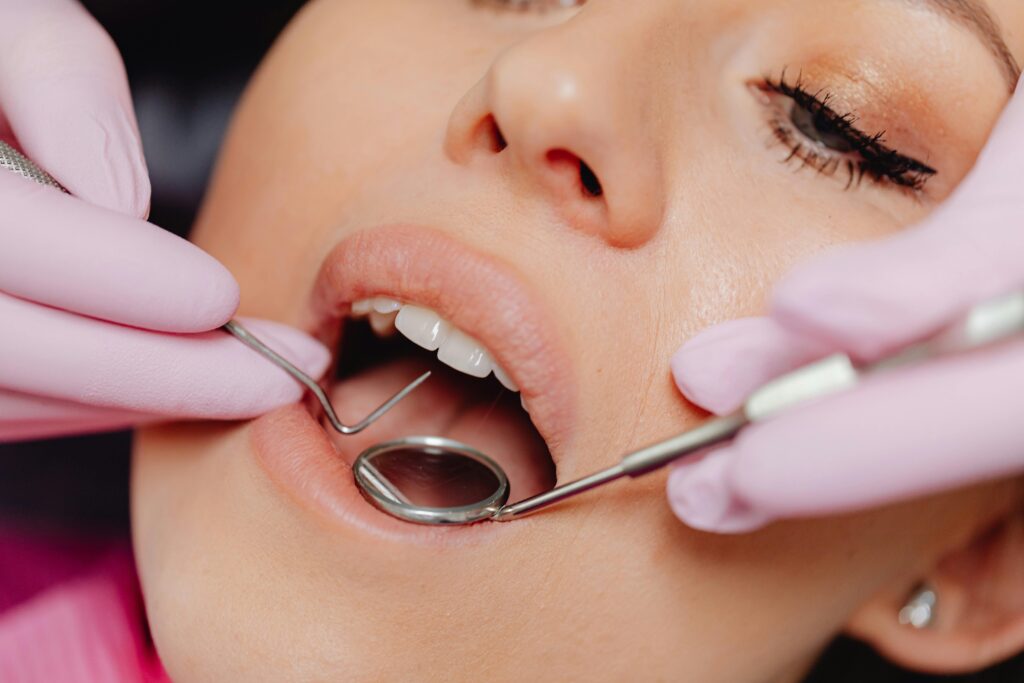
The only way to remove tartar is to have your dental hygienist scrape it away with a dental instrument called a scaler. While this process isn’t painful, you may experience pressure against your teeth as your hygienist scrapes away tartar, especially if you have heavy buildup.
If you find this pressure uncomfortable, the best thing you can do to prevent experiencing it again is to practice proper oral hygiene in between your biannual teeth cleanings.
Flossing Your Teeth
Sensitivity During Professional Flossing
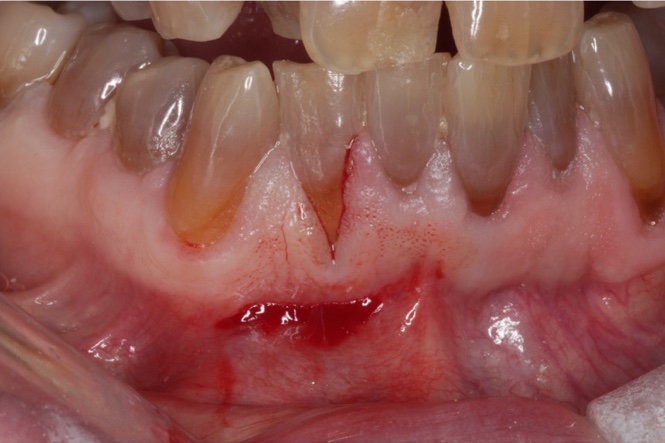
If your gums are typically red, swollen, bleed, or are otherwise sensitive, then you may find that they feel even more sensitive when your hygienist flosses your teeth after having brushed them with a rotating toothbrush. Flossing is an important step of routine teeth cleaning because it helps your hygienist remove any buildup that is revealed after your teeth are professionally brushed. Most of the time, the reason patients experience sensitivity when their dental hygienist is flossing their teeth is that the patients haven’t been flossing every day at home.
Tell Us if You Have Dental Anxiety
If you have a fear of going to the dentist, we want to know so we can help alleviate your worries and make you as comfortable as possible during your appointment at our Belmont office. Oftentimes, many patients find relief from anxiety when their hygienist simply informs them which teeth cleaning step he or she is going to perform before doing so. Finding relief from your dental anxiety can be as simple as open communication!
If you have any other questions about your oral health, or what type of routine treatments you should receive, our office team is happy to answer your questions.
Simply call us today to ask your questions or schedule your next teeth cleaning appointment at (617) 489-1470.
Related Reading
- Can I Get a Dental Cleaning During My Lunch Hour?
- 3 Steps That Are Involved in a Dental Cleaning
- 3 Reasons You Need a Dental Cleaning Every 6 Months
Frequently Asked Questions
Are dental cleanings painful?
Most patients do not describe a routine cleaning as painful. Depending on your sensitivity tolerance, the health of your gums, or other dental issues, there may be some discomfort. The team works gently to keep you as relaxed and comfortable as possible during your appointment.
Why does scraping tartar feel uncomfortable?
Tartar is hardened plaque that cannot be treated at home, so a hygienist scrapes it away with an instrument called a scaler. The process is not usually painful, but you may feel pressure against your teeth, especially if you have heavy buildup.
Why do my gums hurt when the hygienist flosses?
Gums that are red, swollen, bleeding, or otherwise sensitive tend to feel more sensitive during flossing. Often the reason is that flossing has been skipped at home. Flossing every day usually reduces that sensitivity between your professional cleaning appointments.
How can I make my next cleaning more comfortable?
Practice proper oral hygiene between visits by brushing twice daily and flossing once a day, so less plaque hardens into tartar. Less buildup means less scraping and less pressure during the appointment. Keeping to your regular cleaning schedule helps as well.
What should I do if I have dental anxiety?
Tell the team. Many patients find relief simply when the hygienist explains which step of the cleaning is coming next before performing it. Open communication lets the Belmont office adjust and help you feel as comfortable as possible during your visit.
How often should I get a dental cleaning?
Professional cleanings are generally scheduled twice a year, along with brushing twice daily and flossing once a day at home. Your dentist may suggest a different interval depending on your gum health and how quickly plaque and tartar build up on your teeth.