At Dental Restorative Group, serving patients in Belmont, Cambridge, and across the New England region, we are often asked whether fluoride is truly necessary for maintaining oral health. Despite fluoride’s well-established role in preventing tooth decay and supporting long-term enamel strength, it is still the subject of frequent debate and misinformation.
Many individuals are unsure about whether fluoride is safe, whether it is appropriate for adults, or whether fluoride-free alternatives are more beneficial. These questions are understandable, especially with the growing popularity of “natural” dental products and the abundance of conflicting information online.
As clinicians committed to preventive dentistry and patient education, we believe that clarity is essential. In this article, we will address the most common misconceptions about fluoride, explain how it works, and offer guidance based on both scientific evidence and clinical experience. Whether you are a parent making decisions for your child, an adult seeking to protect your restorations, or simply someone who wants to feel more informed about your oral care, this guide is designed for you.
What Is Fluoride and Why It Matters
What Fluoride Is and Why It Matters
Fluoride is a mineral that occurs naturally in water, soil, and certain foods. In dentistry, fluoride is valued for its ability to strengthen tooth enamel and reduce the risk of cavities. When applied to the teeth or ingested in small, controlled amounts, fluoride helps rebuild demineralized enamel and inhibits the acid-producing bacteria that lead to decay.
Fluoride works through a process called remineralization, in which it binds with calcium and phosphate to restore enamel that has been weakened by exposure to food and plaque acids. This not only strengthens the tooth surface but also helps reverse early stages of decay before a cavity forms.
Common sources of fluoride include:
- Fluoridated municipal water supplies, such as those in Belmont and Cambridge
• Over-the-counter toothpaste and mouth rinses
• Prescription-strength fluoride gels or pastes
• In-office fluoride treatments in the form of varnish or foam
Myth One: Fluoride Is Unsafe or Toxic
Fluoride Safety: What the Evidence Shows
Concerns about fluoride safety are common, but they are not supported by scientific research. Leading health authorities, including the American Dental Association, the Centers for Disease Control and Prevention, and the World Health Organization, have affirmed the safety of fluoride when used within established guidelines.
Public drinking water in New England is fluoridated at levels that are carefully monitored to provide health benefits without posing any risk. Adverse effects from fluoride occur only in rare cases of excessive and prolonged exposure, such as consuming large amounts of fluoride from untreated well water or swallowing toothpaste regularly over time.
In dental practices, fluoride treatments are applied topically and in carefully measured quantities. These professional applications are designed to protect the teeth effectively while maintaining complete patient safety. The benefits of reducing decay and strengthening enamel far outweigh the theoretical risks when fluoride is used appropriately.
Myth Two: Fluoride Is Only Beneficial for Children
Why Adults Still Need Fluoride
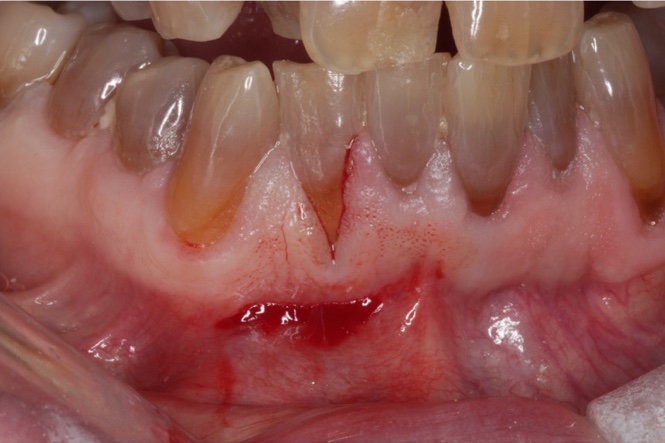
While it is true that fluoride is essential for children as their teeth develop, its role in adult oral health is equally important. Adults continue to experience enamel erosion, gum recession, and root exposure—conditions that increase the risk of cavities well beyond childhood.
Fluoride supports adult dental health by:
- Reducing sensitivity caused by gum recession or worn enamel
• Protecting exposed root surfaces from decay
• Strengthening the enamel surrounding crowns, bridges, and fillings
• Lowering the risk of new or recurrent cavities
At Dental Restorative Group, we routinely recommend fluoride treatments for adult patients who are managing dry mouth, undergoing restorative dental work, have periodontal conditions, or have a history of frequent cavities. Fluoride is not just for preventing dental issues in children; it is a lifelong tool for maintaining strong, resilient teeth.
Myth Three: Fluoride-Free Toothpaste Is a Better, More Natural Option
Fluoride-Free Toothpaste and Natural Alternatives
Many products marketed as “natural” or “fluoride-free” appeal to individuals who wish to avoid synthetic ingredients. However, in the case of fluoride, avoiding it can result in reduced protection against cavities.
While ingredients like xylitol or essential oils may help limit bacteria in the mouth, they do not remineralize enamel or reverse the early stages of decay. Fluoride remains the only over-the-counter ingredient proven to do so effectively and consistently.
For those who prefer a more natural oral care approach, there are many high-quality toothpaste options that contain fluoride but limit the use of artificial colors and preservatives. We encourage patients to speak with us before switching to a fluoride-free product so we can ensure their chosen regimen continues to meet their oral health needs.
Fluoride and Community Health in Belmont, Cambridge, and Beyond
Fluoride in Belmont and Cambridge Water
Both Belmont and Cambridge benefit from fluoridated public water systems that meet national standards for safety and efficacy. For many families in New England, this community-wide source of fluoride offers a foundational level of protection against cavities, especially when paired with proper brushing, flossing, and regular dental visits.
In our practice, we individualize fluoride recommendations based on each patient’s:
- Age and stage of tooth development
• History of cavities or tooth sensitivity
• Use of restorations such as crowns or nightguards
• Medical history, including medications that affect saliva production
Fluoride is often incorporated into routine cleanings in the form of a topical varnish, especially for patients at higher risk for decay. Whether you live in Belmont, Cambridge, or anywhere in New England, our goal is to provide guidance tailored to your personal oral health goals and lifestyle.
Final Thoughts: An Essential Mineral Backed by Decades of Research
Fluoride as a Lifelong Preventive Tool
Fluoride remains one of the most effective tools in modern dentistry for preserving tooth structure, reducing cavity risk, and minimizing the need for future restorative care. Its safety and efficacy are supported by more than 70 years of scientific study and community health outcomes.
At Dental Restorative Group, we are dedicated to providing dental care that is founded on clinical excellence and built on a foundation of patient trust. That means we take the time to explain treatments, clarify facts, and empower every patient to make informed choices. If you have questions about fluoride or are unsure about the best products for your needs, we welcome the opportunity to discuss your options.
We look forward to seeing you in Belmont or welcoming you soon to our newly renovated Cambridge location.
FAQs
Is fluoride safe for daily use?
- When used in recommended amounts, fluoride is safe for children and adults. It is endorsed by numerous global health organizations.
Should adults continue using fluoride?
- Fluoride helps strengthen enamel, prevent root decay, and reduce sensitivity, particularly for patients with restorative work or gum recession.
Can you receive too much fluoride?
- Only in uncommon cases of excessive ingestion. Proper use of fluoridated toothpaste and drinking water is safe and beneficial.
Do fluoride-free products offer the same protection?
- Fluoride is the only ingredient proven to rebuild enamel and reduce the progression of early decay. Fluoride-free products may support hygiene but do not prevent cavities as effectively.
Is fluoride in Belmont and Cambridge water safe?
- Public water in both cities is fluoridated within strict federal guidelines to optimize oral health without risk of harm.
Related Reading
- Smile Makeover Season: What to Know Before You Whiten Your Teeth
- 5 Causes of White Spots on Teeth
- 3 Reasons You Need a Dental Cleaning Every 6 Months
Frequently Asked Questions
Is fluoride safe to use every day?
When used in recommended amounts, fluoride is safe for children and adults. Its safety has been affirmed by the American Dental Association, the Centers for Disease Control and Prevention, and the World Health Organization. In dental offices, fluoride is applied topically in carefully measured quantities.
How does fluoride actually protect teeth?
Fluoride strengthens enamel through remineralization, binding with calcium and phosphate to restore enamel weakened by food and plaque acids. It also inhibits the acid-producing bacteria that lead to decay, and it can help reverse the early stages of decay before a cavity forms.
Do adults still need fluoride, or is it just for kids?
Adults continue to experience enamel erosion, gum recession, and root exposure, all of which raise cavity risk. Fluoride reduces sensitivity, protects exposed root surfaces, strengthens the enamel surrounding crowns, bridges, and fillings, and lowers the risk of new or recurrent cavities throughout life.
Can you get too much fluoride?
Adverse effects occur only in rare cases of excessive and prolonged exposure, such as consuming large amounts of fluoride from untreated well water or regularly swallowing toothpaste over time. Proper use of fluoridated toothpaste and drinking water is considered safe and beneficial.
Is fluoride-free toothpaste a better, more natural choice?
Avoiding fluoride can result in reduced protection against cavities. Ingredients such as xylitol or essential oils may limit bacteria, but they do not remineralize enamel or reverse early decay. Many high-quality toothpastes contain fluoride while limiting artificial colors and preservatives, so ask us before switching.
Is the fluoride in Belmont and Cambridge tap water safe?
Both Belmont and Cambridge benefit from fluoridated public water systems that meet national standards for safety and efficacy. Public drinking water in New England is fluoridated at carefully monitored levels, giving families a foundational level of protection against cavities alongside brushing, flossing, and regular visits.