When most or all teeth in one arch must be replaced, patients often hear two broad options: fixed teeth supported by implants or a removable denture stabilized by implants. Both can improve stability compared with a conventional denture, but they are not interchangeable.
They differ in how they feel, how they are cleaned, how much space they require, how they support the lips and face, and how they are maintained over time.
The best choice is not automatically the option with the most implants or the highest fee. It is the restoration that fits the patient’s anatomy, health, priorities, hygiene ability, risk profile, and long-term maintenance plan.
First, separate the implants from the teeth
Dental implants are supports placed in the jawbone. The replacement teeth attach to them in different ways.
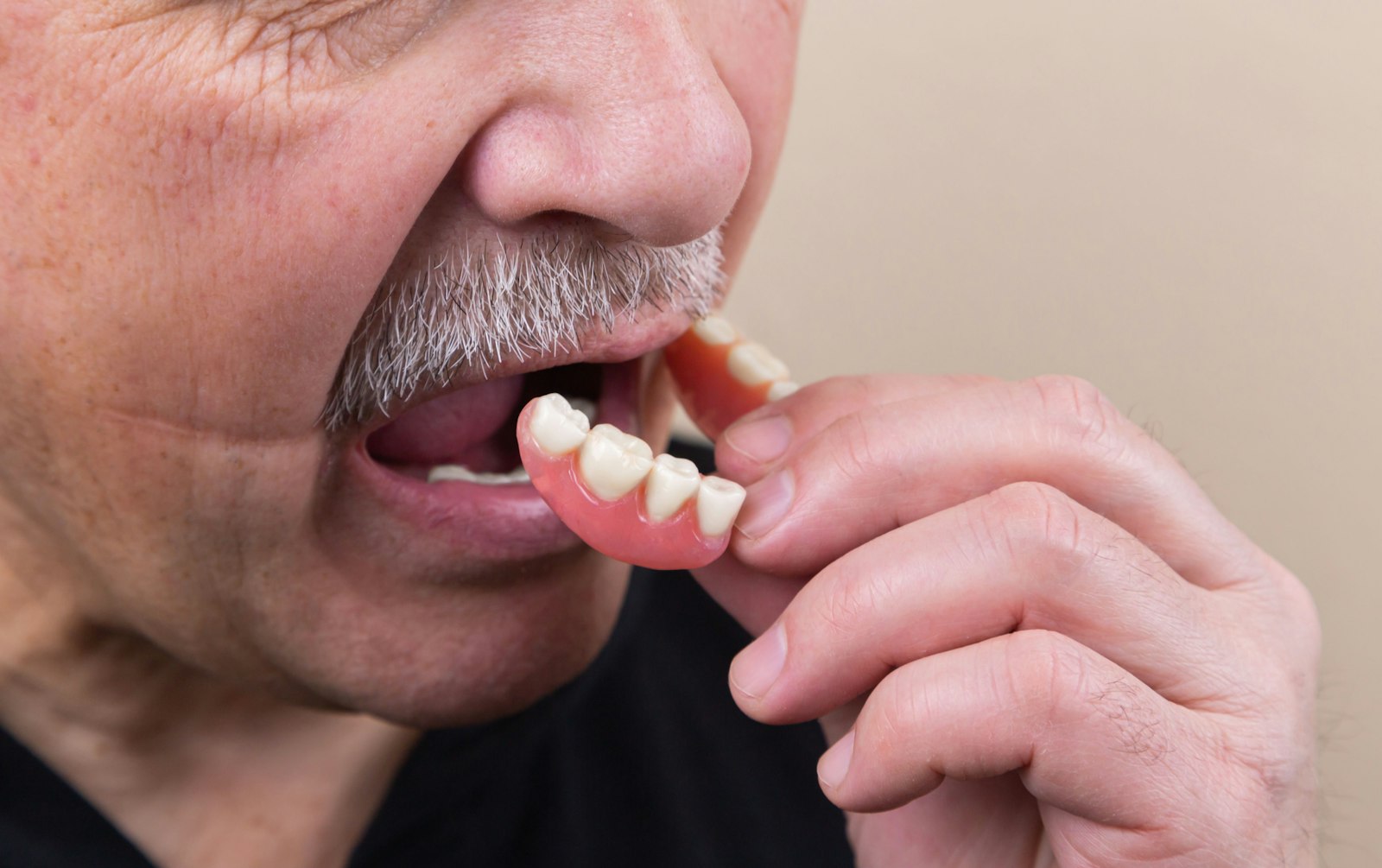
A removable implant overdenture can be taken out by the patient for cleaning. A fixed full-arch bridge is secured to the implants and is generally removed only by a dental professional.
Terms such as “permanent dentures,” “snap-in teeth,” “All-on-4,” and “teeth in a day” are used inconsistently in advertising. Ask the dentist to name the exact prosthesis being proposed and whether you can remove it yourself.
Inquire what material it will be made from, and whether the first teeth are temporary or final.
What is a removable implant overdenture?
A removable implant overdenture attaches to implants with clips, snaps, a bar, or another connection. The implants improve retention and stability, while the patient removes the denture each day for cleaning.
The American College of Prosthodontists explains that implants can stabilize full or partial dentures and reduce movement and reliance on denture adhesive.
A removable design can be helpful when the restoration needs to replace significant tooth, gum, and bone volume or provide facial support. It may also simplify daily access for cleaning.
However, the attachments wear and require maintenance, and the denture may still need periodic adjustment, relining, or replacement as tissues and materials change.

What is a fixed full-arch implant bridge?
A fixed full-arch restoration is secured to dental implants and stays in the mouth during daily life. It may feel more like a continuous set of teeth because the patient does not remove it.
The dentist or prosthodontist removes it when professional access is needed.
Fixed treatment requires enough restorative space, a cleansable design, and an implant plan that supports the intended bridge. It also requires the patient to clean underneath and around the restoration.
Fixed does not mean maintenance-free, indestructible, or guaranteed for life.
Seven factors that shape the decision
1. Anatomy and available bone
Bone volume, tissue position, jaw relationships, smile line, and the amount of missing structure influence support. Imaging and a clinical examination are essential to determine where the transition between natural tissue and restorative material appears.
2. Lip and facial support
When tissues have been missing for a long time, the restoration may need to replace more than crowns. A removable design can sometimes provide support that would be difficult to create with a fixed bridge.
In other patients, a fixed bridge can meet the functional and esthetic goals without excessive bulk.
3. Cleaning and dexterity
A removable overdenture offers direct access to the prosthesis and implants when it is out of the mouth. A fixed bridge requires cleaning underneath it.
Hand dexterity, vision, caregiver support, and motivation should all be considered honestly.
4. Comfort and adaptation
Some patients strongly prefer teeth that stay in place, while others appreciate removal for cleaning. Both designs may require an adaptation period for speech, chewing, and the feel of the tongue.
5. Maintenance and repair
Attachments in a removable overdenture can wear, and teeth can chip in either type. Ask what routine professional maintenance is expected and whether repairs can be completed locally.
6. Treatment sequence and temporary teeth
Some patients receive temporary teeth on the day implants are placed; others heal first. Immediate loading is case-dependent and requires adequate stability.
7. Total cost of ownership
Compare more than the initial fee. Ask about diagnostics, surgery, grafting, maintenance visits, and the likely cost of remaking the restoration in the future.
Why “fixed is better” is the wrong starting point
A fixed restoration may be the right choice for a patient who values a non-removable design. A removable implant overdenture may be more thoughtful when cleaning, facial support, or budget carries greater weight.
A good consultation explains the tradeoffs in the context of your mouth. It should describe what happens if an implant is lost, health changes, or cleaning becomes harder with age.
Frequently Asked Questions
Can I remove implant-supported teeth myself?
It depends on the design. A removable implant overdenture is removed by the patient; a fixed bridge is generally removed only by a professional.
Are fixed implant teeth maintenance-free?
No. They require daily cleaning, professional monitoring, and occasional repair. Components can wear even when implants remain healthy.
Is a removable implant overdenture less stable than fixed teeth?
While removable, implants provide substantial retention. The experience depends on the specific design, anatomy, and maintenance.
Dental Restorative Group, 385 Concord Avenue, Suite 100, Belmont, MA 02478. Phone: 617-489-1470.
This article provides general educational information. Decisions regarding replacement of a missing tooth depend on individual oral health, anatomy, function, restorative history, and treatment goals.