For most people considering a dental implant, one of the biggest worries is not the surgery itself but the recovery. Will it hurt? How long will I be out of action? What can I eat? The uncertainty is often scarier than the reality, because implant recovery is usually far more manageable than people expect.
Knowing the timeline in advance takes much of the anxiety out of it. Here is what recovery typically looks like, from the day of surgery through the months of healing that let an implant become a permanent part of your smile. Every case is a little different, but the general path is remarkably predictable.

The First 24 to 48 Hours
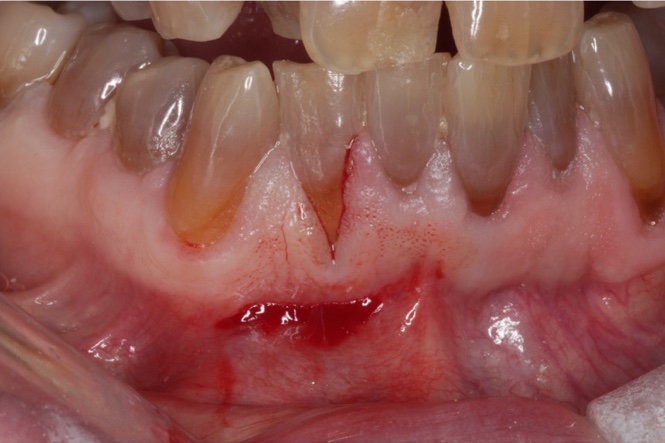
The day of surgery and the one that follows are when you take it easy. Some swelling, minor bleeding, and mild discomfort are normal, all of which are usually well controlled with the measures your dentist recommends and a cold compress on the cheek. Most people are pleasantly surprised by how manageable it is; many describe it as easier than a tooth extraction.
Rest is the main job. Stick to soft, cool foods, avoid the surgical site when you eat, keep your head slightly elevated, and skip strenuous activity. Following the aftercare instructions closely during these first two days sets the tone for smooth healing.
The First Week
Over the first several days, swelling and discomfort steadily fade. Most people return to work and normal daily routines within a day or two, depending on how involved the procedure was. You will keep to softer foods, keep the area clean as directed, and avoid anything that disturbs the site, such as smoking or using a straw.
By the end of the first week, most of the initial healing of the gum tissue is well underway and the day-to-day discomfort is typically behind you. This is also when many patients realize the recovery they dreaded was gentler than expected.
Weeks to Months: Osseointegration
The part of implant recovery that takes real time happens quietly, beneath the surface. Over the following weeks and months, the jawbone grows around and fuses to the implant in a process called osseointegration. This is what gives an implant its remarkable stability, and it cannot be rushed; it commonly takes a few months.
During this phase you usually feel completely normal and carry on with life as usual. A temporary tooth often keeps you comfortable and presentable in the meantime, so the gap is rarely visible while the implant integrates.
A General Recovery Timeline
| Stage | Timeframe | What’s happening |
|---|---|---|
| Immediate | First 1–2 days | Swelling, mild discomfort; rest and soft foods |
| Early healing | First 1–2 weeks | Discomfort fades; back to routine; soft diet |
| Integration | Roughly 2–4+ months | Bone fuses to the implant (osseointegration) |
| Final restoration | After integration | The permanent crown or teeth are placed |
Timeframes vary with your health, the number of implants, and whether grafting was needed, but this is the shape most recoveries follow.
Placing the Final Tooth
Once the implant has fully integrated, the final step is attaching the restoration, the custom crown, bridge, or set of teeth that everyone thinks of as the implant. This part is straightforward and not a surgical ordeal; it is the rewarding finish after the patient work of healing.
From that point, your implant functions much like a natural tooth. Follow-up visits along the way confirm that everything is integrating and fitting as it should, which is part of why coordinated care matters. You can read more about what drives implant treatment overall in our guide to implant cost and planning.
Helping Your Recovery Go Smoothly
You have real influence over how well recovery goes. A few habits make the biggest difference:
- Follow your aftercare instructions closely, especially in the first 48 hours.
- Eat soft, nourishing foods and avoid chewing on the surgical site.
- Keep the area clean exactly as directed, without disturbing it.
- Avoid smoking, which significantly impairs healing and implant success.
- Keep your follow-up appointments so healing can be monitored.
Do these things and most people find implant recovery to be a quiet, manageable process rather than the ordeal they feared.
Frequently Asked Questions
How long does it take to recover from dental implant surgery?
Initial discomfort usually fades within a few days to a week, and most people return to routine quickly. The deeper healing, where bone fuses to the implant, commonly takes a few months before the final restoration is placed.
Is dental implant surgery very painful afterward?
Most people find it more manageable than expected, often comparing it to a tooth extraction. Swelling and mild discomfort in the first day or two are typically well controlled with routine measures and a cold compress.
What can I eat after implant surgery?
Stick to soft, cool foods in the first days and avoid chewing on the surgical site. You gradually return to a normal diet as healing progresses, following your dentist’s specific guidance.
When will I get the permanent tooth?
The final crown or teeth are placed after the implant has fully integrated with the bone, commonly a few months later. A temporary tooth often keeps you comfortable and presentable in the meantime.
What helps dental implants heal successfully?
Following aftercare instructions, eating soft foods, keeping the area clean, avoiding smoking, and attending follow-up visits all support healing and long-term implant success.
Know What to Expect Before You Begin
Understanding the recovery ahead of time makes the decision far easier. To ask your questions and learn what implant treatment would involve for you, contact Dental Restorative Group at 617-489-1470.
Dental Restorative Group, 385 Concord Avenue, Suite 100, Belmont, MA 02478. Phone: 617-489-1470.
This article provides general educational information and does not constitute dental or medical advice, nor a quote for treatment. Costs and clinical recommendations vary by individual; please consult a qualified dental professional about your own situation.