Almost everyone knows the feeling: a spoonful of ice cream or a sip of hot coffee, and a sudden jolt shoots through a tooth. Tooth sensitivity is one of the most common complaints in dentistry, and while it is often minor, it is also your teeth telling you something.
Sensitivity happens when the protective layers of a tooth are compromised and the nerve inside becomes easier to stimulate. The good news is that most causes are treatable, and understanding yours is the first step to lasting relief.

What Sensitivity Actually Is
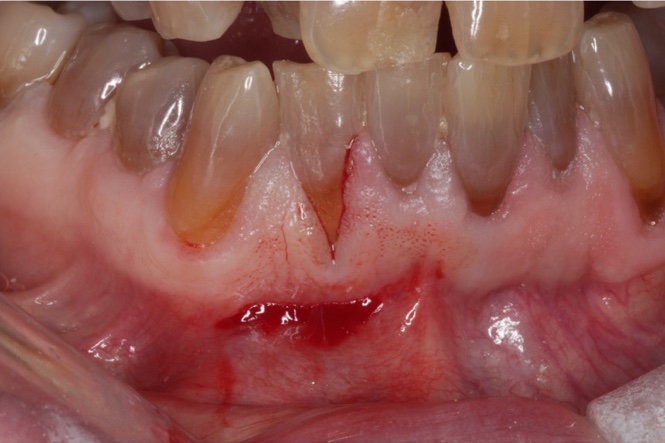
Beneath the hard enamel of your tooth lies a softer layer called dentin, threaded with microscopic tubules that lead to the nerve. When enamel is worn or the gum recedes and exposes the root, those tubules are laid open, so hot, cold, sweet, or acidic triggers can reach the nerve and produce that sharp, brief pain.
That is why sensitivity so often shows up with cold drinks, hot coffee, ice cream, or sweets: each is a trigger that travels down a path that should normally be sealed off.
Common Causes of Sensitive Teeth
| Cause | Why it makes teeth sensitive |
|---|---|
| Enamel wear or erosion | Thins the protective layer over the dentin |
| Gum recession | Exposes the unprotected tooth root |
| Grinding or clenching | Wears enamel and stresses teeth |
| A cavity or cracked tooth | Lets triggers reach the nerve directly |
| A worn or failing filling | Leaves the tooth underneath exposed |
| Recent dental work or whitening | Causes temporary, self-resolving sensitivity |
Because the causes are so different, from harmless to significant, the right response depends on which one is behind your sensitivity.
When Sensitivity Is a Warning Sign
Occasional, brief sensitivity to cold is usually nothing to worry about, especially after whitening or a cleaning. It is more concerning when the sensitivity is sharp and lingering, focused on a single tooth, triggered by heat, or accompanied by pain when biting. Those patterns can point to a cavity, a crack, or a nerve problem that needs prompt attention.
In short, generalized mild sensitivity often responds to simple care, while a single tooth that reacts strongly or aches on its own is worth having looked at sooner rather than later.
Finding Relief
For everyday sensitivity, several measures help, often within weeks:
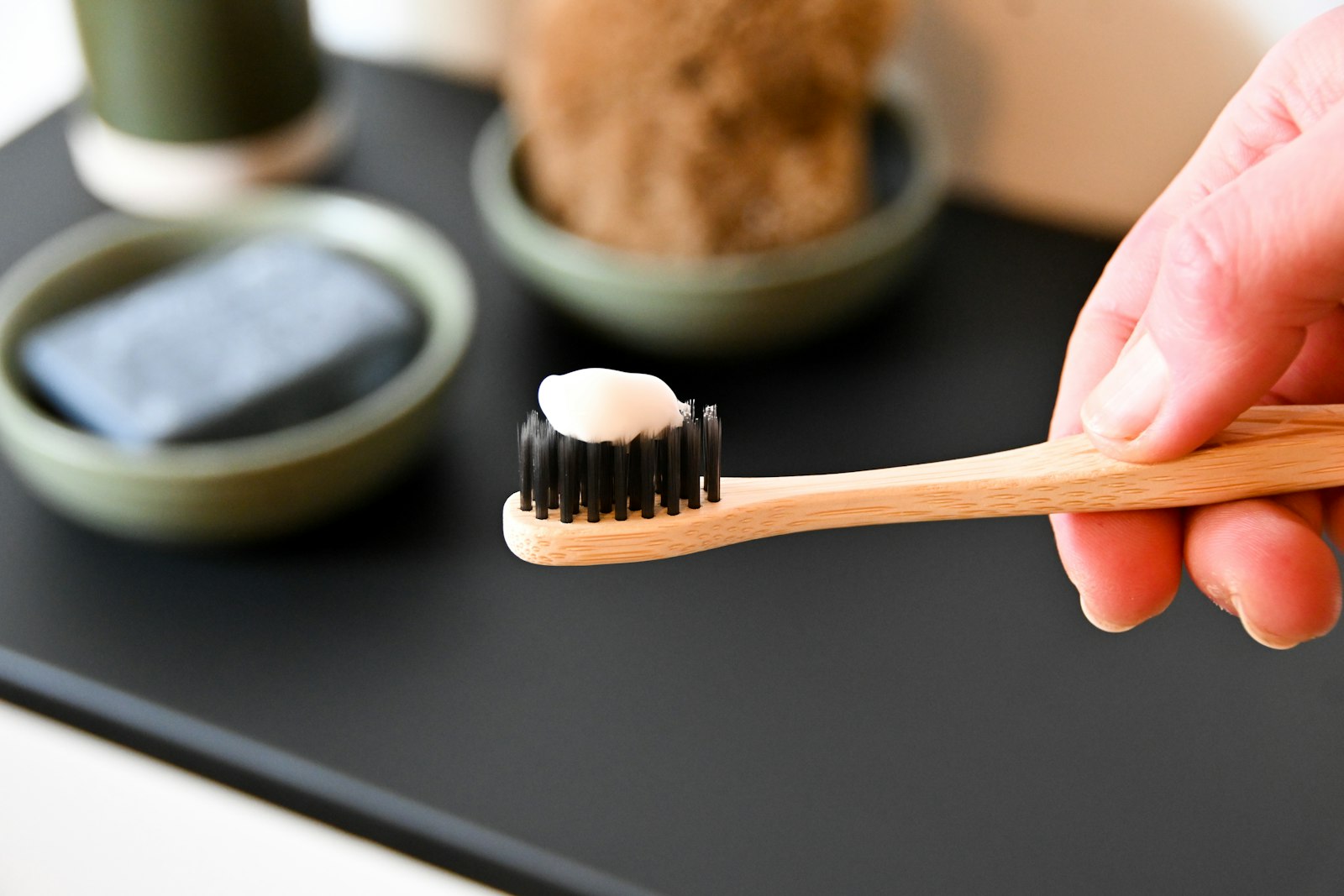
- Desensitizing toothpaste, used consistently, to calm the nerve response.
- A soft-bristled brush and a gentle technique to avoid worsening wear.
- Cutting back on acidic foods and drinks that thin enamel.
- A custom nightguard if grinding is contributing.
- In-office fluoride or sealing treatments for stubborn cases.
If sensitivity comes from a specific problem, such as a cavity, a crack, or gum recession, treating that cause is what resolves it for good.
Everyday Habits That Make It Worse
Some daily habits quietly aggravate sensitivity. Brushing hard, or right after acidic foods, wears both enamel and gums; frequent sipping of soda, citrus, or sports drinks keeps teeth bathed in acid; and aggressive whitening can leave teeth reactive for a while. Brushing immediately after an acidic drink, while the enamel is softened, does more harm than waiting.
The fix is often as simple as adjusting the habit: a soft brush and a gentle technique, waiting about thirty minutes after acidic foods before brushing, and rinsing with water in between. Small changes like these frequently take the edge off sensitivity on their own. If they do not, that is a useful signal that something more specific is worth having checked.
When to See a Dentist
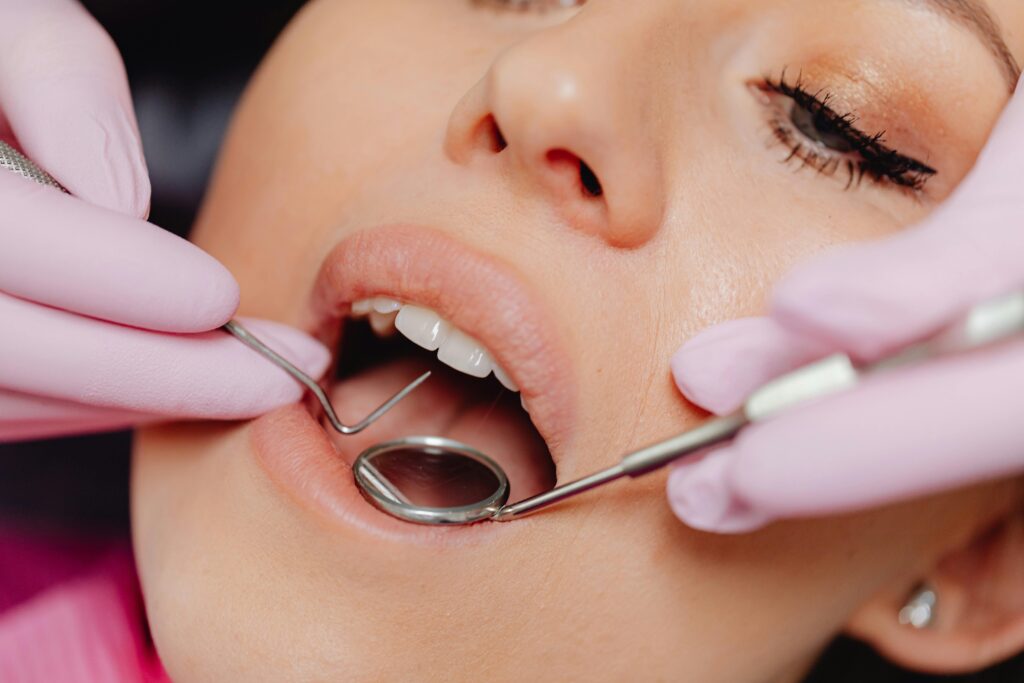
Sensitivity that persists despite good home care, that centers on one tooth, or that comes with pain on biting or spontaneous aching deserves a professional look. An examination can tell the difference between generalized sensitivity and an underlying issue, so you get the right treatment rather than just managing the symptom.
If a sensitive tooth has been nagging you, do not just work around it. A quick evaluation can rule out a bigger problem and point you toward real relief. Where a crack or worn restoration is to blame, the fix is often a straightforward repair, and either way you do not have to simply live with a tooth that flinches at every cold drink.
Frequently Asked Questions
Why are my teeth suddenly sensitive?
Sudden sensitivity often comes from exposed dentin, due to enamel wear, gum recession, grinding, a cavity or crack, a failing filling, or recent dental work or whitening. Identifying the cause guides the right treatment.
Does sensitive-teeth toothpaste actually work?
For many people, yes. Desensitizing toothpaste used consistently can calm the nerve response over a few weeks. If it doesn’t help, or one tooth is strongly affected, see a dentist to rule out an underlying problem.
When should I worry about tooth sensitivity?
Be more cautious if sensitivity is sharp and lingering, focused on a single tooth, triggered by heat, or comes with pain on biting or spontaneous aching, as these can indicate a cavity, crack, or nerve issue needing prompt care.
How can I relieve sensitive teeth at home?
Use desensitizing toothpaste, brush gently with a soft brush, cut back on acidic foods and drinks, and wear a nightguard if you grind. Persistent sensitivity should be evaluated by a dentist.
Can tooth sensitivity be cured?
Often, yes. When sensitivity stems from a specific cause like a cavity, crack, or gum recession, treating that cause resolves it. Generalized sensitivity is usually well controlled with consistent care.
Find Relief From Sensitive Teeth
Sensitive teeth are common and treatable, and sometimes a sign of something worth catching early. For lasting relief, contact Dental Restorative Group at 617-489-1470.
Dental Restorative Group, 385 Concord Avenue, Suite 100, Belmont, MA 02478. Phone: 617-489-1470.
This article provides general educational information and does not constitute dental or medical advice, nor a quote for treatment. Costs and clinical recommendations vary by individual; please consult a qualified dental professional about your own situation.