Everyone has bad breath occasionally, after coffee, garlic, or a night’s sleep. That is normal and temporary. Chronic bad breath, the kind that persists no matter how many mints you chew or how often you brush, is different. It is worth paying attention to, because it is usually your mouth or body telling you something.
The good news is that persistent bad breath, known medically as halitosis, almost always has an identifiable and treatable cause. Understanding where it comes from is the first step to actually fixing it, rather than just masking it.

Most Bad Breath Starts in the Mouth
The large majority of chronic bad breath originates in the mouth itself. Odor-causing bacteria thrive on food particles and plaque, especially on the back of the tongue, along the gumline, and between teeth. When these bacteria break down debris, they release the sulfur compounds responsible for that unpleasant smell.
This is why thorough oral hygiene, including gently cleaning the tongue, makes such a difference. Much of the problem lives on surfaces that a quick brushing misses, and reaching them is often half the solution.
Gum Disease and Bad Breath
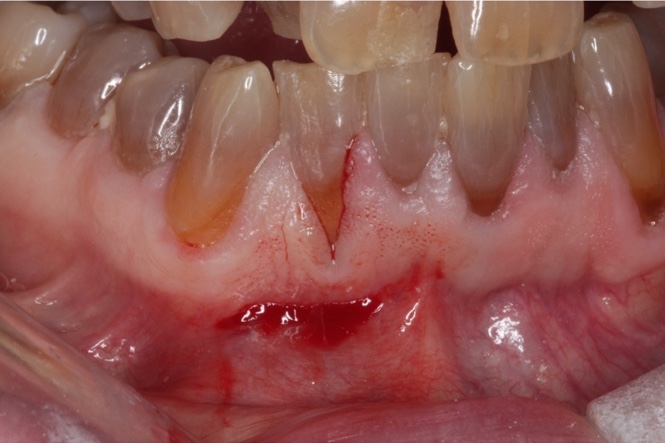
Persistent bad breath is one of the classic warning signs of gum disease. As infection takes hold below the gumline, it creates pockets where bacteria collect and produce a stubborn odor that ordinary brushing cannot clear. If your bad breath comes with red, swollen, or bleeding gums, gum disease is a likely culprit.
This is a case where bad breath is genuinely telling you something important, because untreated gum disease can eventually threaten your teeth. Addressing the disease resolves the odor and protects your smile at the same time.

Dry Mouth: An Overlooked Cause
Saliva is your mouth’s natural cleanser, constantly washing away bacteria and debris. When your mouth is dry, that cleansing slows and odor builds, which is why breath is often worse first thing in the morning, when saliva flow drops overnight.
Chronic dry mouth can be caused by many medications, by breathing through the mouth, by dehydration, and by certain conditions. Staying well hydrated helps, and if dry mouth is persistent, it is worth mentioning, since managing it improves both breath and dental health.
Other Causes Worth Knowing
Several other factors can drive chronic bad breath:
- Cavities and old, failing restorations that trap bacteria.
- Food debris caught around dental work or in deep grooves.
- Tobacco use, which causes its own odor and worsens gum disease.
- Certain foods, crash diets, and low-carb ketosis.
- Sometimes, sinus or throat infections, or other medical conditions.
Because the causes range so widely, from a simple hygiene fix to a sign of gum disease, identifying yours is what leads to lasting relief.
How to Freshen Breath for Good
Lasting fresh breath comes from addressing the cause, not covering it. That usually starts with excellent oral hygiene: brushing twice daily, cleaning between teeth, gently cleaning the tongue, and staying hydrated. Regular professional cleanings remove the buildup that home care cannot fully reach.
Mouthwash and mints can help temporarily, but if they are all that is keeping your breath fresh, the underlying cause is still there. Treating a cavity, a failing restoration, or gum disease is what resolves the odor at its source.
The Confidence Cost of Bad Breath
Beyond the physical causes, chronic bad breath takes a quiet social toll. People who worry about their breath often hold back in conversations, keep their distance, or feel self-conscious at work and on dates, sometimes without ever knowing for certain whether the problem is real. That low-level anxiety is a genuine cost, and it is entirely fixable.
Resolving the cause does more than freshen your breath; it lifts a worry you may have been carrying for a long time. For many people, that relief is reason enough to raise the subject rather than keep quietly managing it alone.
When to See Your Dentist
If bad breath persists despite good home care, it is worth a professional look. A dentist can find the cause, whether it is gum disease, a hidden cavity, a failing restoration, or dry mouth, and treat it, rather than leaving you to manage the symptom indefinitely.
Chronic bad breath is common and rarely something to be embarrassed about; it is simply information. Bringing it up at a checkup is the fastest route to fresh breath that lasts. A quick evaluation can pinpoint what is behind it.
Frequently Asked Questions
What causes chronic bad breath?
Most chronic bad breath starts in the mouth, from odor-causing bacteria on the tongue, gumline, and between teeth. Gum disease, dry mouth, cavities, failing restorations, tobacco, and some medical conditions are also common causes.
Is bad breath a sign of gum disease?
It can be. Persistent bad breath, especially with red, swollen, or bleeding gums, is a classic warning sign of gum disease, which creates pockets where odor-causing bacteria collect.
Why is my breath worse in the morning?
Saliva flow drops during sleep, and saliva normally cleanses the mouth. With less of it overnight, bacteria and odor build up, making morning breath common even in healthy mouths.
Can mouthwash cure bad breath?
Mouthwash and mints mask odor temporarily but don’t treat the cause. Lasting fresh breath comes from good oral hygiene and addressing underlying issues like gum disease, cavities, or dry mouth.
When should I see a dentist about bad breath?
If bad breath persists despite good brushing, flossing, tongue cleaning, and hydration, see a dentist. They can identify and treat the underlying cause rather than leaving you to mask the symptom.
Get to the Root of Bad Breath
Persistent bad breath is treatable once its cause is found. To address it at the source, contact Dental Restorative Group at 617-489-1470.
Dental Restorative Group, 385 Concord Avenue, Suite 100, Belmont, MA 02478. Phone: 617-489-1470.
This article provides general educational information and does not constitute dental or medical advice, nor a quote for treatment. Costs and clinical recommendations vary by individual; please consult a qualified dental professional about your own situation.