Are you a Belmont resident whose teeth are sensitive to hot and cold food and drinks? Have you noticed that your gums start bleeding whenever you brush or floss your teeth? Does it appear that your teeth have elongated over time? If you answered “Yes” to any of these questions, it’s possible that you have gum disease. But what are receding gums, and what are the other symptoms of this disorder? How can receding gums be treated? Read on as the Belmont Dental Restorative Group explains.
What Are Receding Gums?
Understanding Gum Recession
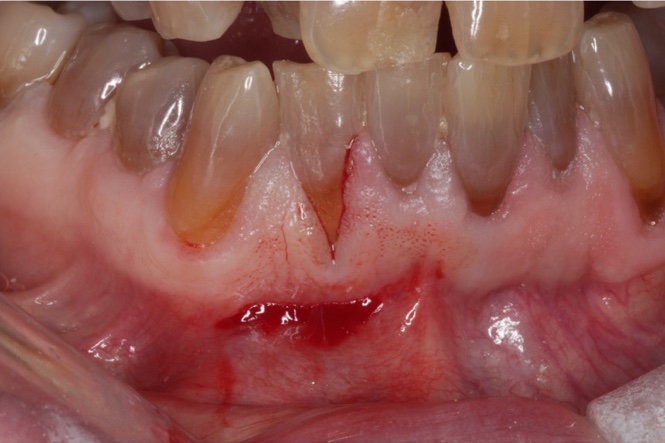
Receding gums is a gradual condition that happens over an extended period, in which your gums slowly start to expose the roots of your teeth. This can cause a host of problems and side effects, and even put you at risk for losing teeth in the future! Receding gums can be caused by a variety of reasons, including aggressive tooth brushing, gum disease, and hereditary conditions.
What Are the Symptoms of Receding Gums?
Common Symptoms of Receding Gums
There are many symptoms of receding gums, including:
- Teeth that are wobbly or otherwise moveable;
- Overly-sensitive teeth, especially to hot or cold foods or drinks;
- Teeth that are starting to appear longer than normal, because a larger portion of the tooth is now visible since the gums are receding;
- The ability to see the roots of the teeth;
- A feeling like there is a “notch” at the gum line;
- Changes in the color of the teeth, which is actually caused by seeing the different colors of the tooth enamel and root cementum;
- The feeling as if the spaces between your teeth are getting larger;
- Your dentist discovering cavities below the gum line;
- Inflamed gums;
- Gums that bleed when you brush or floss your teeth; and
- Bad breath.
How Can Receding Gums Be Treated?
Gum Grafting Treatment Options
For Belmont area patients who are experiencing receding gums, the Dental Restorative Group recommends gum grafting. With gum grafting, micro-grafting techniques are used to both harvest donor tissue from in your mouth – typically from your palate – and transfer that donor tissue to your gums to cover your teeth’s roots.
While we here at Belmont’s Dental Restorative Group realize that gum grafting may sound like an intense procedure, most Belmont patients describe gum grafting as moderately uncomfortable and say that they can recover from the procedure using pharmacy purchased, over-the-counter pain medication. And of course, Belmont gum grafting patients are often thrilled with the results – both aesthetic and functional – as gum grafting provides a more normal looking mouth and protects the roots of teeth from damage, including the possibility of losing your teeth due to receding gums.
I Think I Have Receding Gums. What Do I Do Next?
Next Steps for Belmont Patients
If you think you may have receding gums, then you need to see one of our dental care specialists at our Belmont office immediately. During this examination, your care provider will conduct a full evaluation of your mouth to determine if you may be suffering from receding gums and if you are a candidate for gum grafting.
At the Belmont Dental Restorative Group, we strive to offer each of our Belmont dental patients individualized care and attention. Contact us today to schedule an appointment and get all of your questions answered at (617) 489-1470.
Related Reading
- What Are My Options for Gum Recession?
- 5 Reasons to Consider Gum Grafting
- Symptoms of Impacted Wisdom Teeth
Frequently Asked Questions
What are receding gums?
Receding gums is a gradual condition, developing over an extended period, in which the gums slowly begin to expose the roots of your teeth. It can cause a host of problems and side effects, and even put you at risk of losing teeth.
What are the symptoms of gum recession?
Symptoms include sensitive teeth, especially to hot or cold, teeth that look longer than normal, visible tooth roots, wobbly teeth, a notch at the gum line, changes in tooth color, wider looking gaps, inflamed or bleeding gums, and bad breath.
What causes gums to recede?
Receding gums can be caused by a variety of reasons, including aggressive tooth brushing, gum disease, and hereditary conditions. Because the causes differ from patient to patient, an examination is needed to identify what is driving your recession before treatment is recommended.
How are receding gums treated?
For patients experiencing receding gums, Dental Restorative Group recommends gum grafting. Micro-grafting techniques harvest donor tissue from inside your mouth, typically from the palate, and transfer that tissue to your gums so that the exposed roots of your teeth are covered.
What is recovery from gum grafting like?
Most patients describe gum grafting as moderately uncomfortable and say they recover using over-the-counter pain medication purchased at the pharmacy. Your care provider will review what to expect in your own case during your evaluation and answer any questions you have.
What should I do if I think my gums are receding?
See one of our dental care specialists at the Belmont office. Your care provider will conduct a full evaluation of your mouth to determine whether you are suffering from receding gums and whether you are a candidate for gum grafting.