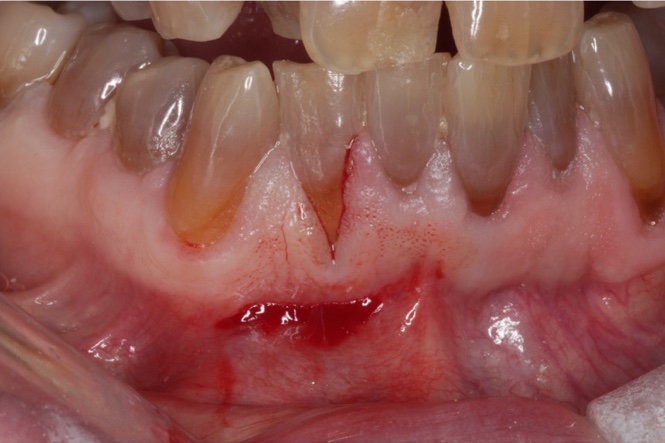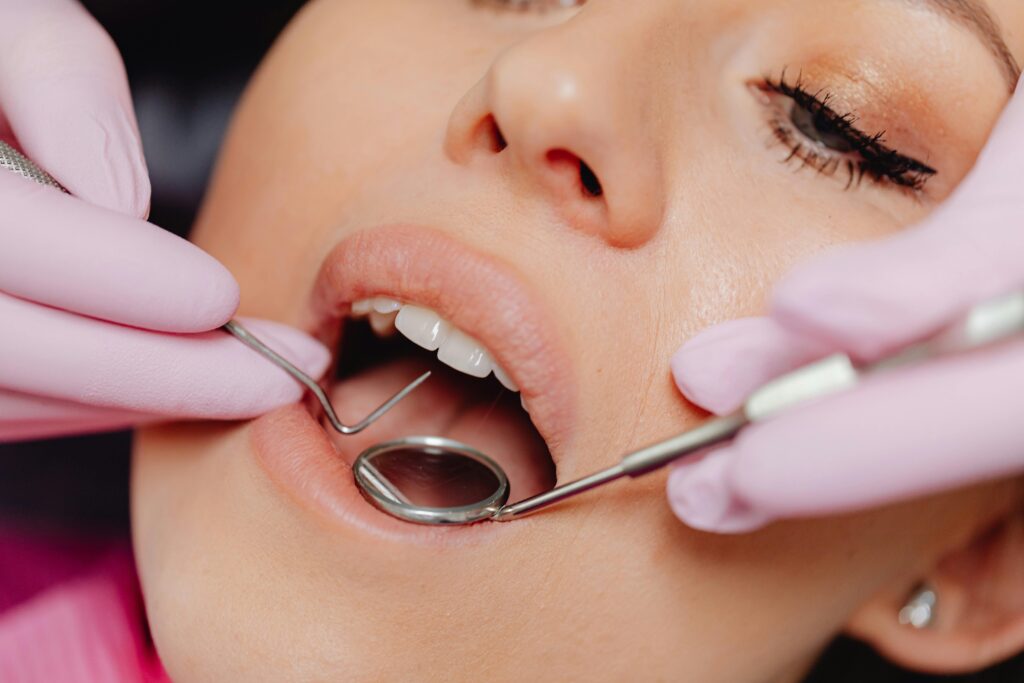
It is essential that you practice proper oral hygiene before, during, and after you get your dental implants, to ensure optimal healing and healthy results. Plaque can build up around dental implants, causing bleeding gums, gingivitis, and other conditions that can make the healing process take longer, affecting the results of your procedure.
At Dental Restorative Group, we provide all of our Massachusetts-based patients in the Belmont and Cambridge areas with extensive, detailed, post-op instructions to help them care for their dental implants and keep their new smile healthy and radiant. Taking proper care of your investment will ensure that your smile remains healthy and radiant for years to come.
Additionally, we offer the following tips for dental implant after-care:
Brush With a Soft Nylon Brush
Brushing Around Implants and Crowns
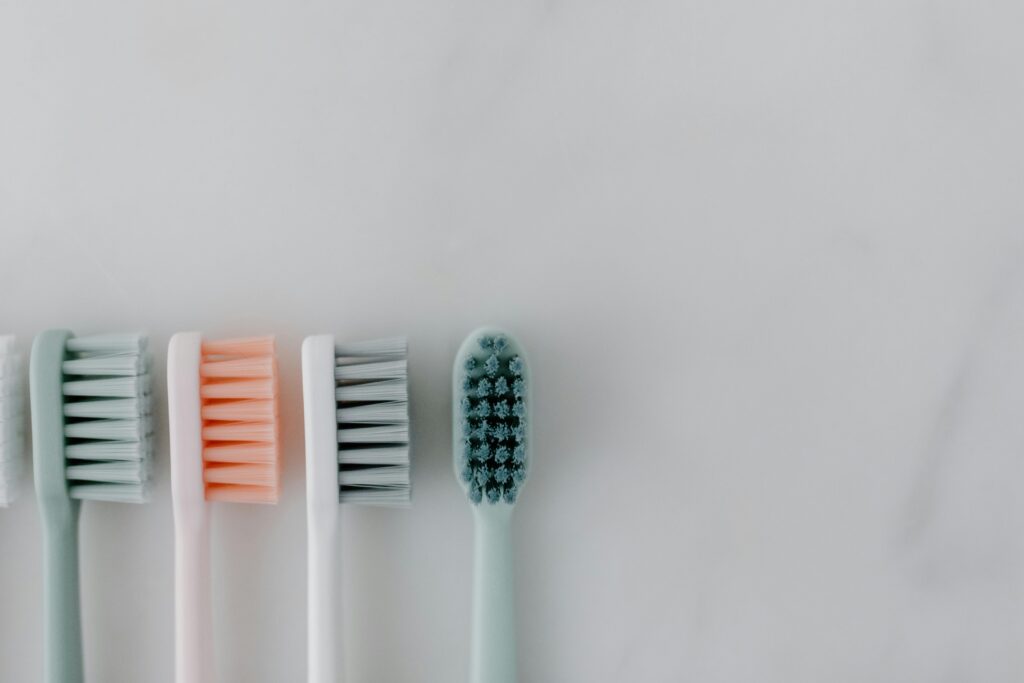
We recommend brushing twice daily to remove bacterial plaque, using a soft nylon toothbrush. You may use a manual or electric toothbrush, but make sure the bristles are soft and pliable, to gently clean the surface of your crowns and implants. You may use a nylon-coated interdental brush or proxabrush to clean crevices between teeth, and hard-to-reach areas around your implants and crowns. Use an interdental brush made of pure nylon with no metal wires to prevent scratching the surface of your implants or crowns. Be sure to always brush each tooth surface thoroughly, paying particular attention to crevices.
Avoid Abrasive Toothpaste and Dental Products
Avoid Abrasive Toothpaste and Products
Try to stick with sensitive cleaning products that will prevent any discomfort. If there are specific ingredients that have a stronger presence such as mint, it may trigger a higher sense of intense feelings after.
Daily Flossing
Daily Flossing With Dental Implants
There are many types of dental floss on the market, and several types are designed specifically for individuals with dental implants. Flossing daily is important to prevent accumulation of plaque around the site of each implant. In some cases, Belmont patients may need to use a floss threader, or a specialized type of floss that comes with a built-in threader designed for cleaning around a fixed bridge.
Oral Irrigators/Water Flossers
Water Flossers and Oral Irrigators
We highly recommend that Belmont patients use an oral irrigator to help reduce the buildup of plaque around their implants. Studies have shown that the Waterpik Water Flosser is the only oral irrigator to date that has been proven safe and effective for use with dental implants and effectively reduced plaque buildup and gingivitis in clinical trial patients. The WaterPik comes with specialized tips that are especially effective for use with dental implants. We recommend the Waterpik Water Flosser for all of our patients with implants.
Gum Stimulators
Using Gum Stimulators After Implants
Traditional rubber-tipped gum stimulators are regaining popularity among Belmont patients with dental implants and other regenerative procedures. Stimulators help strengthen gum tissue by increasing circulation of blood and oxygen to the area, while also massaging the gums, which reduces bleeding and inflammation.
If you’d like to learn more about dental implants and how they can improve the function and beauty of your smile, contact our Belmont office today at (617) 489-1470.
Related Reading
- How Long Is the Complete Dental Implant Process?
- 6 Oral Hygiene Tips After Oral Surgery
- Diet Tips While Recovering from Dental Implant Surgery
Frequently Asked Questions
How do I clean my dental implants?
Brush twice daily with a soft nylon toothbrush, either manual or electric, to remove bacterial plaque from your crowns and implants. Use a nylon interdental brush or proxabrush for crevices and hard-to-reach areas, and avoid brushes with metal wires that could scratch the surface.
Should I floss around dental implants?
Yes. Flossing daily helps prevent plaque from accumulating around each implant site. Several types of floss are designed specifically for people with implants, and some patients need a floss threader, or floss with a built-in threader, to clean around a fixed bridge.
Can I use a water flosser with dental implants?
We highly recommend using an oral irrigator to help reduce plaque buildup around implants. The Waterpik Water Flosser has been shown safe and effective for use with dental implants and comes with specialized tips, and we recommend it for all of our implant patients.
What toothpaste should I use with dental implants?
Avoid abrasive toothpastes and dental products, and stick with gentler options made for sensitive cleaning. Ingredients with a strong presence, such as mint, can trigger a more intense sensation afterward, so a milder product is often more comfortable around implants and crowns.
Why is oral hygiene so important after implant surgery?
Plaque can build up around dental implants and cause bleeding gums, gingivitis, and other conditions that make healing take longer and affect the results of your procedure. Consistent brushing, flossing, and irrigating protect the investment you have made in your smile.
What is a gum stimulator and should I use one?
A traditional rubber-tipped gum stimulator massages the gums and increases circulation of blood and oxygen to the tissue. Many implant patients use one to help strengthen gum tissue while reducing bleeding and inflammation around their implants and other regenerative work.